
Close Menu
  • Home
  • Cybercrime and Ransomware
  • Emerging Tech
  • Threat Intelligence
  • Expert Insights
  • Careers and Learning
  • Compliance

Subscribe to Updates

Subscribe to our newsletter and never miss our latest news

Subscribe my Newsletter for New Posts & tips Let's stay updated!

What's Hot

CISA Adds 8 Exploited Flaws to KEV, Federal Deadlines Approaching

April 21, 2026

British Admit Hacking Companies and Stealing Millions in Virtual Currency

April 21, 2026

Cyberattack Disrupts Ambulance Response at Signature Healthcare

April 20, 2026
Facebook X (Twitter) Instagram
The CISO Brief
  • Home
  • Cybercrime and Ransomware
  • Emerging Tech
  • Threat Intelligence
  • Expert Insights
  • Careers and Learning
  • Compliance
Home » Mastering Deception: Rachel Tobac on Social Engineering
Cybercrime and Ransomware

Mastering Deception: Rachel Tobac on Social Engineering

Staff WriterBy Staff WriterJune 30, 2025No Comments4 Mins Read3 Views
Facebook Twitter Pinterest LinkedIn Tumblr Email
Share
Facebook Twitter LinkedIn Pinterest WhatsApp Email

Fast Facts

  1. Definition and Impact: Social engineering is the art of persuasion that can be beneficial but is often misused, leading to significant cybersecurity threats and adversarial attacks.

  2. Mechanisms of Manipulation: Rachel Tobac, a cyber social engineer, employs psychological principles (Cialdini’s) like authority and urgency to manipulate individuals into complying, illustrating the effectiveness of emotional triggers such as "amygdala hijacking."

  3. Historical Context and Evolution: Deceptive social engineering is a longstanding practice, illustrated by biblical examples, yet has evolved significantly in the digital age, making it a sophisticated form of manipulation that exploits human psychology.

  4. Preventive Measures and Challenges: While social engineering relies on building trust, overcoming it necessitates widespread distrust, which poses fundamental challenges to societal cohesion; thus, awareness and training are essential to mitigate these threats.

The Issue

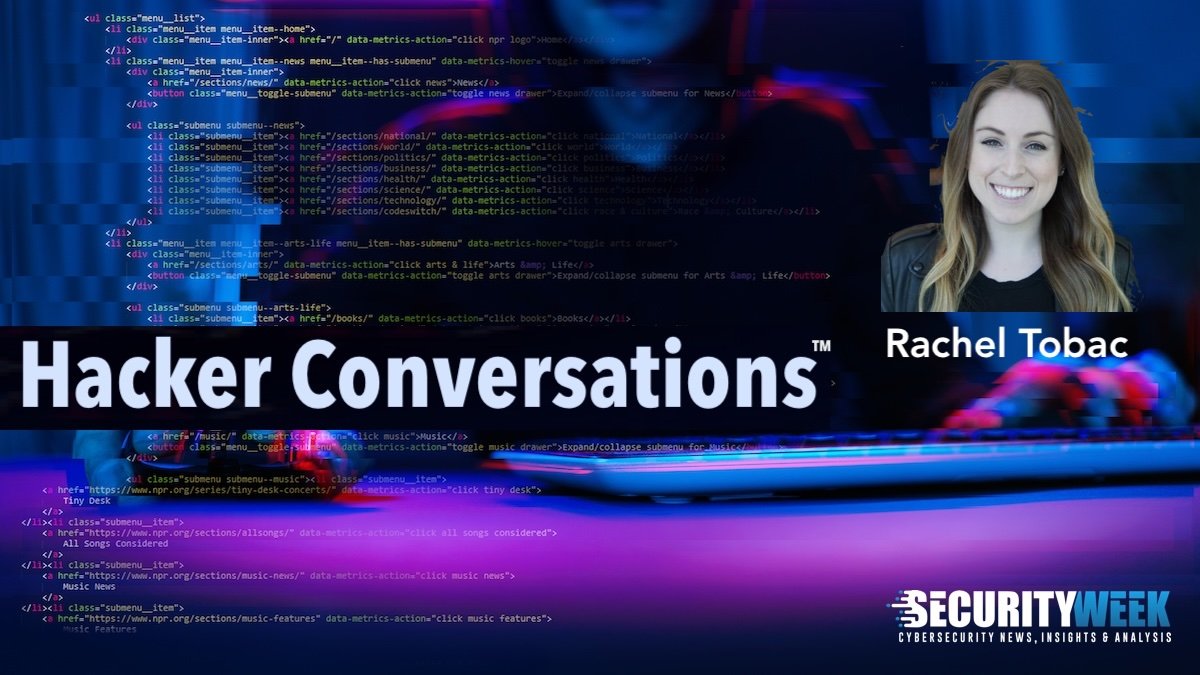
In the intricate world of cybersecurity, Rachel Tobac emerges as a formidable figure, expertly navigating the nuanced field of social engineering. Misunderstood by many, social engineering is both an art and a science—an ethical craft when utilized rightly but perilous when exploited for malicious intent. Tobac, a cyber social engineer and co-founder of SocialProof Security, engages in what she describes as “hacking people” rather than machines. Through persuasive tactics, she highlights how attackers manipulate psychological principles to coerce targets into compromising their information. This phenomenon is not novel; even biblical tales, such as Rebekah deceiving Isaac, illustrate the timelessness of deceptive persuasion.

In an interview with SecurityWeek, Tobac elucidates that social engineering is the precursor to most cyberattacks, driven by human psychology rather than mere technical expertise. The blend of urgency, authority, and emotional manipulation—often referred to as “amygdala hijacking”—enables attackers to exploit emotional responses, rendering victims susceptible to deception. Tobac’s mission focuses on educating individuals and organizations about these vulnerabilities, given that current defenses against social engineering are woefully inadequate. Thus, her work not only sheds light on a sophisticated threat but also underscores the ethical implications and societal responsibilities incumbent upon anyone wielding such persuasive power.

Security Implications

The insidious nature of social engineering poses significant threats not only to individual organizations but reverberates through entire industries, exposing vulnerabilities that can lead to cascading failures. When a business falls victim to such manipulative tactics, it risks breaching confidential data, losing customer trust, and incurring substantial financial losses—consequences that can extend to its partners, clients, and supply chains. For instance, if a single organization is compromised through deceitful outreach, sensitive information may be leaked, which can be leveraged against others in its network, creating a domino effect of compromised security and reputational damage. Moreover, users and clients of these affected businesses may become reluctant to engage, fearing for their own data security, while regulatory scrutiny could increase, imposing heightened compliance costs and operational disruptions across the board. Thus, the ramifications of social engineering extend far beyond the immediate targets, underscoring the need for robust education and proactive defense measures throughout the broader business ecosystem.

Possible Next Steps

In the ever-evolving landscape of cybersecurity, timely remediation is paramount, especially in the context of "Hacker Conversations: Rachel Tobac and the Art of Social Engineering." Addressing vulnerabilities before they can be exploited is crucial for organizational integrity and security.

Mitigation Steps

  • User Education
  • Phishing Simulations
  • Multi-Factor Authentication
  • Incident Response Plan
  • Regular Security Audits

NIST CSF Guidance

NIST Cybersecurity Framework (CSF) emphasizes proactive strategies to identify and recover from threats. For a deeper understanding, refer to NIST SP 800-53, which provides comprehensive security and privacy controls tailored to manage risks associated with social engineering and related attacks.

Explore More Security Insights

Stay informed on the latest Threat Intelligence and Cyberattacks.

Explore engineering-led approaches to digital security at IEEE Cybersecurity.

Disclaimer: The information provided may not always be accurate or up to date. Please do your own research, as the cybersecurity landscape evolves rapidly. Intended for secondary references purposes only.

Cyberattacks-V1

CISO Update Cybersecurity Hacker Conversations MX1
Share. Facebook Twitter Pinterest LinkedIn Tumblr Email
Previous ArticleUnmasking Cybercrime: How AI Identifies Masterminds
Next Article Critical Auth Bypass Flaw Leaves 1,200+ Citrix Servers Vulnerable
Avatar photo
Staff Writer
  • Website

John Marcelli is a staff writer for the CISO Brief, with a passion for exploring and writing about the ever-evolving world of technology. From emerging trends to in-depth reviews of the latest gadgets, John stays at the forefront of innovation, delivering engaging content that informs and inspires readers. When he's not writing, he enjoys experimenting with new tech tools and diving into the digital landscape.

Related Posts

CISA Adds 8 Exploited Flaws to KEV, Federal Deadlines Approaching

April 21, 2026

British Admit Hacking Companies and Stealing Millions in Virtual Currency

April 21, 2026

New JanaWare Ransomware Targets Turkish Users via Customized Adwind RAT

April 20, 2026

Comments are closed.

Latest Posts

British Admit Hacking Companies and Stealing Millions in Virtual Currency

April 21, 2026

New JanaWare Ransomware Targets Turkish Users via Customized Adwind RAT

April 20, 2026

Iranian MOIS Orchestrates Coordinated Cyber Campaigns Using Multiple Hacker Personas

April 20, 2026

AI App Builder Data Breach: Thousands of Projects Exposed via API Flaw

April 20, 2026
Don't Miss

CISA Adds 8 Exploited Flaws to KEV, Federal Deadlines Approaching

By Staff WriterApril 21, 2026

Summary Points Multiple critical vulnerabilities in Cisco Catalyst SD-WAN Manager (CVE-2026-20122, CVE-2026-20128, CVE-2026-20133) are actively…

British Admit Hacking Companies and Stealing Millions in Virtual Currency

April 21, 2026

New JanaWare Ransomware Targets Turkish Users via Customized Adwind RAT

April 20, 2026

Subscribe to Updates

Subscribe to our newsletter and never miss our latest news

Subscribe my Newsletter for New Posts & tips Let's stay updated!

Recent Posts

  • CISA Adds 8 Exploited Flaws to KEV, Federal Deadlines Approaching
  • British Admit Hacking Companies and Stealing Millions in Virtual Currency
  • Cyberattack Disrupts Ambulance Response at Signature Healthcare
  • Vercel Employee AI Tool Access Triggers Data Breach
  • New JanaWare Ransomware Targets Turkish Users via Customized Adwind RAT
About Us
About Us

Welcome to The CISO Brief, your trusted source for the latest news, expert insights, and developments in the cybersecurity world.

In today’s rapidly evolving digital landscape, staying informed about cyber threats, innovations, and industry trends is critical for professionals and organizations alike. At The CISO Brief, we are committed to providing timely, accurate, and insightful content that helps security leaders navigate the complexities of cybersecurity.

Facebook X (Twitter) Pinterest YouTube WhatsApp
Our Picks

CISA Adds 8 Exploited Flaws to KEV, Federal Deadlines Approaching

April 21, 2026

British Admit Hacking Companies and Stealing Millions in Virtual Currency

April 21, 2026

Cyberattack Disrupts Ambulance Response at Signature Healthcare

April 20, 2026
Most Popular

Protecting MCP Security: Defeating Prompt Injection & Tool Poisoning

January 30, 202630 Views

The New Face of DDoS is Impacted by AI

August 4, 202523 Views

Scams: Unstoppable but Manageable

June 3, 202523 Views

Archives

  • April 2026
  • March 2026
  • February 2026
  • January 2026
  • December 2025
  • November 2025
  • October 2025
  • September 2025
  • August 2025
  • July 2025
  • June 2025

Categories

  • Compliance
  • Cyber Updates
  • Cybercrime and Ransomware
  • Editor's pick
  • Emerging Tech
  • Events
  • Featured
  • Insights
  • Most Read
  • Threat Intelligence
  • Uncategorized
© 2026 thecisobrief. Designed by thecisobrief.
  • Home
  • About Us
  • Advertise with Us
  • Contact Us
  • DMCA
  • Privacy Policy
  • Terms & Conditions

Type above and press Enter to search. Press Esc to cancel.