
Close Menu
  • Home
  • Cybercrime and Ransomware
  • Emerging Tech
  • Threat Intelligence
  • Expert Insights
  • Careers and Learning
  • Compliance

Subscribe to Updates

Subscribe to our newsletter and never miss our latest news

Subscribe my Newsletter for New Posts & tips Let's stay updated!

What's Hot

UAC-0145 Uses ClickFix CAPTCHAs to Infect Ukrainian Devices

July 19, 2026

Top KPIs for Tracking Threat Actor Effectiveness in 2026

July 19, 2026

Staff Spotlight: Champions in Cybersecurity Awareness 2024

July 18, 2026
Facebook X (Twitter) Instagram
The CISO Brief
  • Home
  • Cybercrime and Ransomware
  • Emerging Tech
  • Threat Intelligence
  • Expert Insights
  • Careers and Learning
  • Compliance
Home » New Ghost Phishing Wave Threatens Traditional Email Security
Cybercrime and Ransomware

New Ghost Phishing Wave Threatens Traditional Email Security

Staff WriterBy Staff WriterJuly 18, 2026No Comments2 Mins Read1 Views
Facebook Twitter Pinterest LinkedIn Tumblr Email
Share
Facebook Twitter LinkedIn Pinterest WhatsApp Email

Essential Insights

  1. EvilTokens uses "ghost phishing" that encrypts malicious content, making traditional URL checks ineffective and increasing risk of account takeovers in Microsoft 365.
  2. The attack remains hidden until decrypted in the browser, exposing a visibility gap that delays detection, response, and containment efforts.
  3. Using in-browser sandbox analysis, teams can now see the decrypted phishing content, request flows, and infrastructure details in real-time for faster detection.
  4. Browser-level visibility reduces exposure, accelerates incident response, and empowers security teams with comprehensive evidence to prevent costly business impacts.

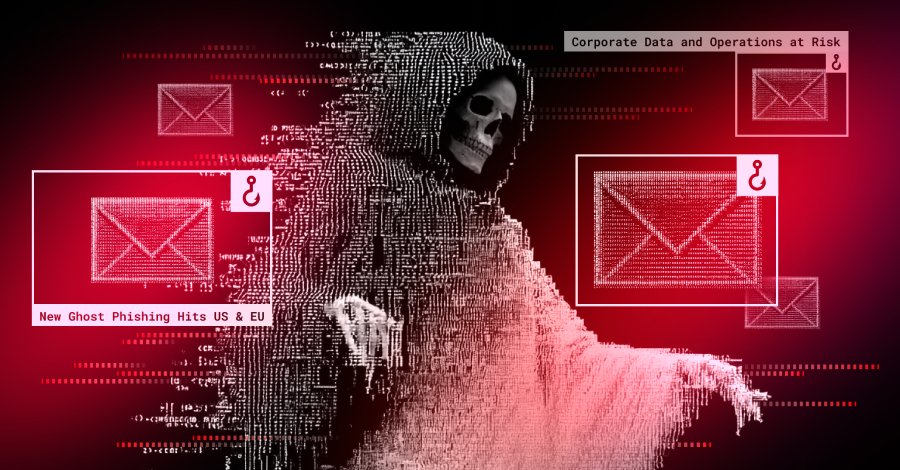
New Wave of Ghost Phishing Challenges Traditional Email Security

Recently, a wave of so-called “ghost phishing” attacks has emerged, bypassing standard email security measures. Unlike typical phishing, these attacks hide their malicious content until they are decrypted by the victim’s browser. This method keeps the harmful page invisible during initial checks, making it harder for security systems to detect the threat. As a result, many organizations might not realize they are under attack until the damage is done. The attacks use stolen Microsoft login credentials to gain access to sensitive data, without even requiring hackers to steal passwords directly.

Why Browser-Level Inspection Is Now Essential for Security

Traditional security tools usually check email links and domains before opening. However, ghost phishing tricks these checks by encrypting malicious content. When the victim clicks the link, the harmful page decrypts inside their browser, revealing a convincing fake login page. This process shows a gap in current defenses, as static URL scans often miss the attack entirely. To prevent severe consequences, security teams need tools that analyze what happens inside the browser. With advanced sandbox environments, analysts can see how these encrypted pages behave once decrypted. This visibility allows quick identification of threats and reduces the risk of prolonged exposure, helping organizations stop attackers before they escalate.

Expand Your Tech Knowledge

Stay informed on the revolutionary breakthroughs in Quantum Computing research.

Discover archived knowledge and digital history on the Internet Archive.

CyberAttacks-V1

Share. Facebook Twitter Pinterest LinkedIn Tumblr Email
Previous ArticleUAT-11795 targets US, Europe with novel malware campaigns
Next Article Staff Spotlight: Champions in Cybersecurity Awareness 2024
Avatar photo
Staff Writer
  • Website

John Marcelli is a staff writer for the CISO Brief, with a passion for exploring and writing about the ever-evolving world of technology. From emerging trends to in-depth reviews of the latest gadgets, John stays at the forefront of innovation, delivering engaging content that informs and inspires readers. When he's not writing, he enjoys experimenting with new tech tools and diving into the digital landscape.

Related Posts

Unified Framework to Accelerate Software Vulnerability Remediation

July 16, 2026

EU Condemns Russia’s Malicious Cyber Operations Linked to FSB’s 16th Centre

July 16, 2026

When AI Gets a Body, a Whole New Attack Surface Opens

July 16, 2026

Comments are closed.

Latest Posts

New Ghost Phishing Wave Threatens Traditional Email Security

July 18, 2026

Unified Framework to Accelerate Software Vulnerability Remediation

July 16, 2026

EU Condemns Russia’s Malicious Cyber Operations Linked to FSB’s 16th Centre

July 16, 2026

When AI Gets a Body, a Whole New Attack Surface Opens

July 16, 2026
Don't Miss

Unified Framework to Accelerate Software Vulnerability Remediation

By Staff WriterJuly 16, 2026

Top Highlights The U.S. CISA, in collaboration with international cybersecurity agencies, issued guidance for establishing…

EU Condemns Russia’s Malicious Cyber Operations Linked to FSB’s 16th Centre

July 16, 2026

When AI Gets a Body, a Whole New Attack Surface Opens

July 16, 2026

Subscribe to Updates

Subscribe to our newsletter and never miss our latest news

Subscribe my Newsletter for New Posts & tips Let's stay updated!

Recent Posts

  • UAC-0145 Uses ClickFix CAPTCHAs to Infect Ukrainian Devices
  • Top KPIs for Tracking Threat Actor Effectiveness in 2026
  • Staff Spotlight: Champions in Cybersecurity Awareness 2024
  • New Ghost Phishing Wave Threatens Traditional Email Security
  • UAT-11795 targets US, Europe with novel malware campaigns
About Us
About Us

Welcome to The CISO Brief, your trusted source for the latest news, expert insights, and developments in the cybersecurity world.

In today’s rapidly evolving digital landscape, staying informed about cyber threats, innovations, and industry trends is critical for professionals and organizations alike. At The CISO Brief, we are committed to providing timely, accurate, and insightful content that helps security leaders navigate the complexities of cybersecurity.

Facebook X (Twitter) Pinterest YouTube WhatsApp
Our Picks

UAC-0145 Uses ClickFix CAPTCHAs to Infect Ukrainian Devices

July 19, 2026

Top KPIs for Tracking Threat Actor Effectiveness in 2026

July 19, 2026

Staff Spotlight: Champions in Cybersecurity Awareness 2024

July 18, 2026
Most Popular

Protecting MCP Security: Defeating Prompt Injection & Tool Poisoning

January 30, 202634 Views

Unlock the Power of Free WormGPT: Harnessing DeepSeek, Gemini, and Kimi-K2 AI Models

November 27, 202530 Views

The New Face of DDoS is Impacted by AI

August 4, 202528 Views

Archives

  • July 2026
  • June 2026
  • May 2026
  • April 2026
  • March 2026
  • February 2026
  • January 2026
  • December 2025
  • November 2025
  • October 2025
  • September 2025
  • August 2025
  • July 2025
  • June 2025

Categories

  • Compliance
  • Cyber Updates
  • Cybercrime and Ransomware
  • Editor's pick
  • Emerging Tech
  • Events
  • Featured
  • Insights
  • Most Read
  • Threat Intelligence
  • Uncategorized
© 2026 thecisobrief. Designed by thecisobrief.
  • Home
  • About Us
  • Advertise with Us
  • Contact Us
  • DMCA
  • Privacy Policy
  • Terms & Conditions

Type above and press Enter to search. Press Esc to cancel.