
Close Menu
  • Home
  • Cybercrime and Ransomware
  • Emerging Tech
  • Threat Intelligence
  • Expert Insights
  • Careers and Learning
  • Compliance

Subscribe to Updates

Subscribe to our newsletter and never miss our latest news

Subscribe my Newsletter for New Posts & tips Let's stay updated!

What's Hot

UAT-11795 targets US, Europe with novel malware campaigns

July 17, 2026

Malicious Vite NPM Packages Use Blockchain C2 for RATs

July 17, 2026

The Real Danger of AI: Blind Trust

July 17, 2026
Facebook X (Twitter) Instagram
The CISO Brief
  • Home
  • Cybercrime and Ransomware
  • Emerging Tech
  • Threat Intelligence
  • Expert Insights
  • Careers and Learning
  • Compliance
Home » NIST Enhances AI Security with New Cybersecurity Framework Profile
Cyber Updates

NIST Enhances AI Security with New Cybersecurity Framework Profile

Staff WriterBy Staff WriterDecember 19, 2025No Comments3 Mins Read4 Views
Facebook Twitter Pinterest LinkedIn Tumblr Email
Share
Facebook Twitter LinkedIn Pinterest WhatsApp Email

Summary Points

  1. New AI Guidance: NIST has introduced a draft Cybersecurity Framework Profile for AI, aimed at helping organizations manage AI-related cybersecurity challenges effectively.

  2. Three Key Focus Areas: The profile emphasizes “secure,” “defend,” and “thwart” strategies to address AI’s varied impacts on organizational cybersecurity.

  3. Community Involvement: Developed with input from over 6,500 contributors, NIST seeks public comments on the draft until January 30, and will hold a workshop on January 14.

  4. Ongoing Commitment: This profile builds on previous NIST publications, reflecting a continuous effort to provide frameworks for balancing the benefits and risks associated with AI in cybersecurity.

Enhancing AI Security Guidance

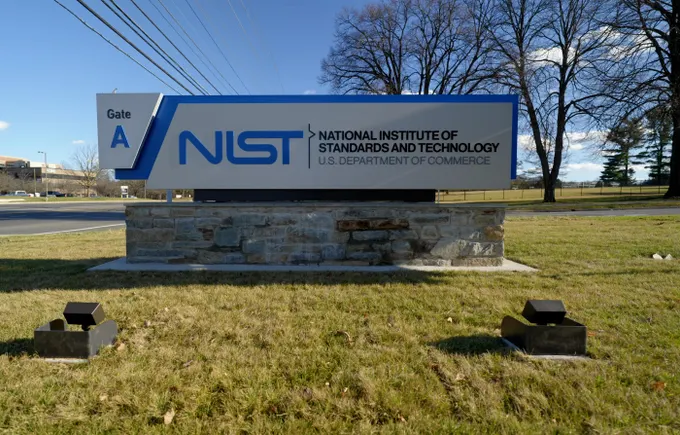
The National Institute of Standards and Technology (NIST) recently introduced a draft profile targeting the cybersecurity challenges associated with artificial intelligence (AI). This document acts as a companion to NIST’s established Cybersecurity Framework (CSF), addressing how organizations can utilize AI securely. In particular, it focuses on three main areas: securing AI systems, enhancing defenses against AI threats, and thwarting AI-driven cyberattacks. By mapping these concerns onto the CSF, NIST provides specific guidelines that organizations can implement without excessive complexity.

Moreover, this initiative reflects a growing recognition of the multifaceted risks and benefits AI presents. While AI can enhance cybersecurity, it also opens new avenues for potential threats. The profile aims to help organizations navigate these complexities, encouraging a proactive approach to integrating AI into their cybersecurity strategies. Using a community-driven method, NIST engaged over 6,500 contributors to ensure it encompasses diverse perspectives and real-world applications.

The Path Forward for Organizations

NIST has built a comprehensive framework for addressing AI’s implications within cybersecurity. This new AI profile expands on previous guidelines, such as the AI Risk Management Framework and a generative AI profile, all released within the past year. Such continuous efforts indicate a commitment to equipping organizations with the tools needed for effective AI integration. Furthermore, NIST welcomes public feedback on the draft until January 30, fostering a collaborative approach to refining these guidelines.

Ultimately, widespread adoption of this framework can significantly enhance the cybersecurity landscape. As organizations increasingly rely on AI, having clear, actionable guidelines will promote safer practices. This not only protects individual organizations but also contributes to the broader human journey toward a more secure digital future. By encouraging thoughtful consideration and collaboration, this initiative could set the stage for a safer and more responsible use of AI technology.

Expand Your Tech Knowledge

Explore the future of technology with our detailed insights on Artificial Intelligence.

Discover archived knowledge and digital history on the Internet Archive.

Cybersecurity-1
cyber risk cybercrime Cybersecurity MX1 risk management Threats
Share. Facebook Twitter Pinterest LinkedIn Tumblr Email
Previous ArticlePREMI3NS Achieves SecNumCloud Qualification: Elevating Trusted Cloud Solutions
Next Article Ex-Responders Admit Guilt in Ransomware Rampage
Avatar photo
Staff Writer
  • Website

John Marcelli is a staff writer for the CISO Brief, with a passion for exploring and writing about the ever-evolving world of technology. From emerging trends to in-depth reviews of the latest gadgets, John stays at the forefront of innovation, delivering engaging content that informs and inspires readers. When he's not writing, he enjoys experimenting with new tech tools and diving into the digital landscape.

Related Posts

UAT-11795 targets US, Europe with novel malware campaigns

July 17, 2026

Malicious Vite NPM Packages Use Blockchain C2 for RATs

July 17, 2026

GoldenEyeDog Linked to DigiCert Breach and Code-Signing Theft

July 17, 2026

Comments are closed.

Latest Posts

Unified Framework to Accelerate Software Vulnerability Remediation

July 16, 2026

EU Condemns Russia’s Malicious Cyber Operations Linked to FSB’s 16th Centre

July 16, 2026

When AI Gets a Body, a Whole New Attack Surface Opens

July 16, 2026

The Executive Profile Your Security Team Isn’t Defending

July 16, 2026
Don't Miss

UAT-11795 targets US, Europe with novel malware campaigns

By Staff WriterJuly 17, 2026

Quick Takeaways A Russian-speaking threat actor, UAT-11795, uses trojanized software and social engineering to target…

Malicious Vite NPM Packages Use Blockchain C2 for RATs

July 17, 2026

GoldenEyeDog Linked to DigiCert Breach and Code-Signing Theft

July 17, 2026

Subscribe to Updates

Subscribe to our newsletter and never miss our latest news

Subscribe my Newsletter for New Posts & tips Let's stay updated!

Recent Posts

  • UAT-11795 targets US, Europe with novel malware campaigns
  • Malicious Vite NPM Packages Use Blockchain C2 for RATs
  • The Real Danger of AI: Blind Trust
  • GoldenEyeDog Linked to DigiCert Breach and Code-Signing Theft
  • Armenia Detains Russian Tourist in Hacker Case, Lawyers Say Wrong Man
About Us
About Us

Welcome to The CISO Brief, your trusted source for the latest news, expert insights, and developments in the cybersecurity world.

In today’s rapidly evolving digital landscape, staying informed about cyber threats, innovations, and industry trends is critical for professionals and organizations alike. At The CISO Brief, we are committed to providing timely, accurate, and insightful content that helps security leaders navigate the complexities of cybersecurity.

Facebook X (Twitter) Pinterest YouTube WhatsApp
Our Picks

UAT-11795 targets US, Europe with novel malware campaigns

July 17, 2026

Malicious Vite NPM Packages Use Blockchain C2 for RATs

July 17, 2026

The Real Danger of AI: Blind Trust

July 17, 2026
Most Popular

Protecting MCP Security: Defeating Prompt Injection & Tool Poisoning

January 30, 202634 Views

Unlock the Power of Free WormGPT: Harnessing DeepSeek, Gemini, and Kimi-K2 AI Models

November 27, 202530 Views

The New Face of DDoS is Impacted by AI

August 4, 202528 Views

Archives

  • July 2026
  • June 2026
  • May 2026
  • April 2026
  • March 2026
  • February 2026
  • January 2026
  • December 2025
  • November 2025
  • October 2025
  • September 2025
  • August 2025
  • July 2025
  • June 2025

Categories

  • Compliance
  • Cyber Updates
  • Cybercrime and Ransomware
  • Editor's pick
  • Emerging Tech
  • Events
  • Featured
  • Insights
  • Most Read
  • Threat Intelligence
  • Uncategorized
© 2026 thecisobrief. Designed by thecisobrief.
  • Home
  • About Us
  • Advertise with Us
  • Contact Us
  • DMCA
  • Privacy Policy
  • Terms & Conditions

Type above and press Enter to search. Press Esc to cancel.