
Close Menu
  • Home
  • Cybercrime and Ransomware
  • Emerging Tech
  • Threat Intelligence
  • Expert Insights
  • Careers and Learning
  • Compliance

Subscribe to Updates

Subscribe to our newsletter and never miss our latest news

Subscribe my Newsletter for New Posts & tips Let's stay updated!

What's Hot

Boost Tier 1 Alert Response 3x Faster with Threat Intelligence

May 26, 2026

China-Linked Hackers Hit Southeast Asian Edge Routers with Custom Linux Implant

May 26, 2026

AtlasCross RAT leverages custom C2 and phishing attacks

May 26, 2026
Facebook X (Twitter) Instagram
The CISO Brief
  • Home
  • Cybercrime and Ransomware
  • Emerging Tech
  • Threat Intelligence
  • Expert Insights
  • Careers and Learning
  • Compliance
Home » North Korea Sanctioned Over IT Malware Scheme
Cybercrime and Ransomware

North Korea Sanctioned Over IT Malware Scheme

Staff WriterBy Staff WriterJuly 9, 2025No Comments4 Mins Read5 Views
Facebook Twitter Pinterest LinkedIn Tumblr Email
Share
Facebook Twitter LinkedIn Pinterest WhatsApp Email

Fast Facts

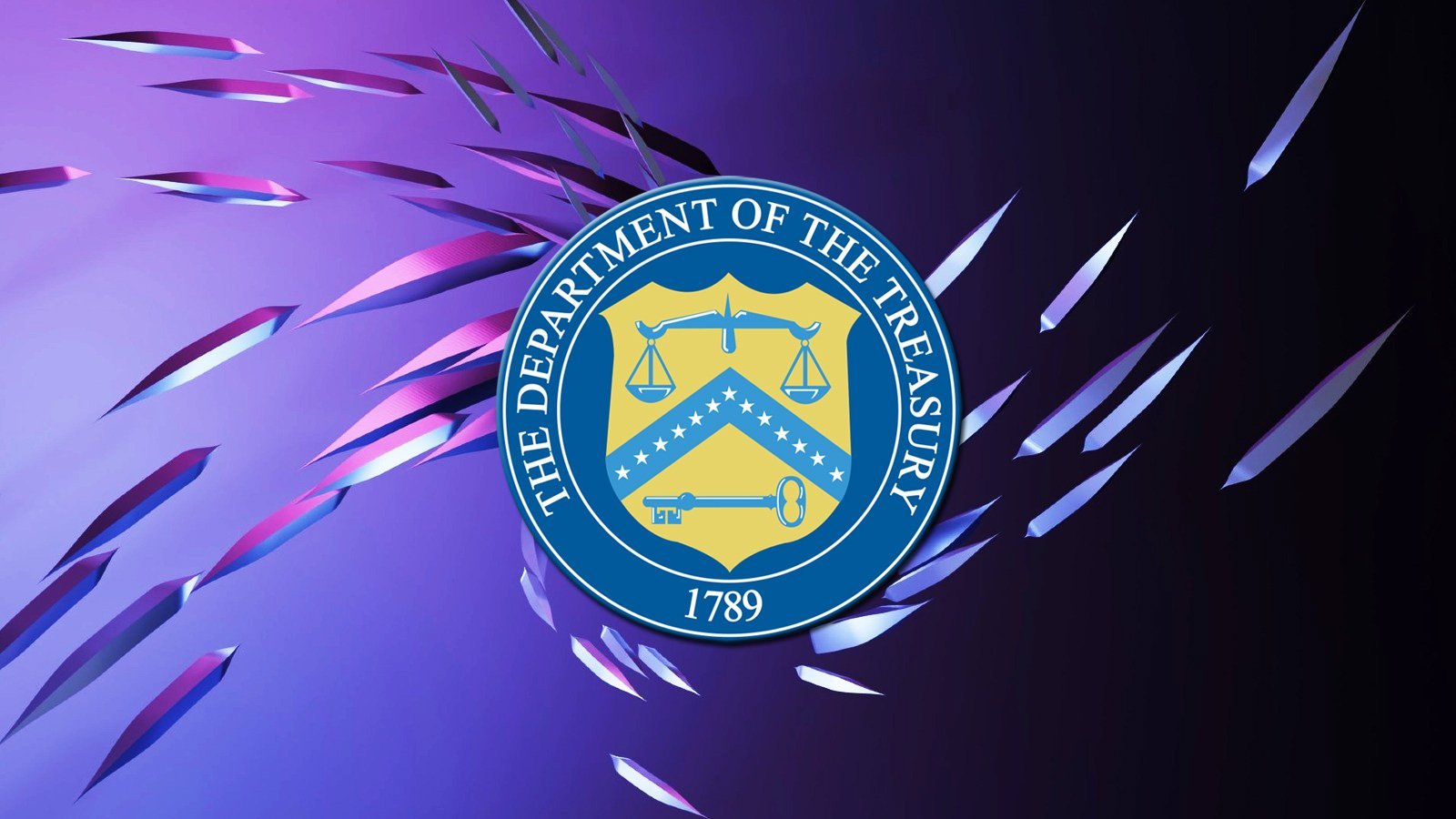
  1. The U.S. Treasury sanctioned Song Kum Hyok for links to North Korea’s Andariel hacking group, which conducts financially-motivated cyber operations including ransomware and cryptocurrency theft.

  2. Song facilitated a scheme providing fake U.S. identities to North Korean IT workers, allowing them to obtain remote jobs with U.S. companies and funnel income back to North Korea for its weapons programs.

  3. Associated with Song are five entities, including Russian nationals and companies, which employ DPRK IT workers, further entrenching North Korean cyber operations.

  4. Treasury sanctions include asset freezes and transaction bans, threatening foreign banks working with sanctioned entities, following a recent crackdown by U.S. authorities on North Korean IT schemes.

Underlying Problem

In a significant move, the U.S. Department of the Treasury has sanctioned Song Kum Hyok, closely affiliated with North Korea’s notorious hacking group Andariel—a subcomponent of the larger Lazarus group. His activities revolve around orchestrating schemes that exploit falsified U.S. identities to enable North Korean nationals, often operating from countries like China and Russia, to secure employment in U.S. companies. The profits generated from this operation were funneled into North Korea’s weapons of mass destruction programs. The U.S. Treasury has described how these IT workers sometimes assisted in cyberattacks, deploying malware and compromising sensitive data within the corporations that unwittingly employed them.

This sanction extends beyond Song Kum Hyok, encompassing several other associated entities and individuals, including Russian national Gayk Asatryan and his companies, which were instrumental in recruiting these North Korean IT operatives. The repercussions of these sanctions involve a comprehensive freeze on assets and a prohibition on transactions with U.S. individuals and companies, signaling a strong stance against such cybermalfeasance. This initiative aligns with broader efforts by the U.S. Department of Justice to dismantle North Korean IT worker schemes, as demonstrated by recent raids that led to multiple arrests and significant asset seizures related to the operation.

Risk Summary

The recent sanctions imposed by the U.S. Department of the Treasury on Song Kum Hyok, linked to North Korea’s Andariel hacking group, epitomize the multifaceted risks that such cyber activities pose to businesses and organizations globally. As these state-sponsored cyber actors exploit vulnerabilities to infiltrate company networks, businesses that unwittingly employ compromised IT workers become prime targets for various cyberattacks, including ransomware and data breaches, jeopardizing their data integrity and financial stability. The infiltration of malware not only threatens the operational functionality of these organizations but also exposes them to legal liabilities and reputational damage in an increasingly interconnected world. Furthermore, by inadvertently engaging with foreign entities implicated in these schemes, businesses risk financial sanctions and transactional barriers imposed by the U.S. Treasury, creating a ripple effect that can impair global supply chains and financial transactions for innocent parties. Thus, the ramifications extend beyond immediate financial loss, fostering an environment of distrust that ultimately undermines collaborative efforts in the global economy.

Fix & Mitigation

Timely remediation is crucial in the context of Treasury sanctions against North Korea’s nefarious IT worker malware scheme, as it safeguards national security and curtails illicit cyber activities.

Mitigation Strategies

  • Implement robust security protocols
  • Regularly update software
  • Conduct thorough risk assessments
  • Employ advanced threat detection
  • Train staff on cybersecurity best practices
  • Collaborate with law enforcement agencies
  • Enhance network segmentation

NIST Guidance
The NIST Cybersecurity Framework (CSF) emphasizes the necessity of a proactive and adaptive approach to cybersecurity risks. It is advisable to refer to NIST Special Publication (SP) 800-53 for comprehensive security and privacy controls tailored to managing these threats effectively.

Continue Your Cyber Journey

Explore career growth and education via Careers & Learning, or dive into Compliance essentials.

Learn more about global cybersecurity standards through the NIST Cybersecurity Framework.

Disclaimer: The information provided may not always be accurate or up to date. Please do your own research, as the cybersecurity landscape evolves rapidly. Intended for secondary references purposes only.

Cyberattacks-V1

CISO Update Cybersecurity MX1
Share. Facebook Twitter Pinterest LinkedIn Tumblr Email
Previous ArticleAirMDR Raises $15.5 Million to Bring AI Analyst-Driven MDR
Next Article Chairman Urges Mandatory Disclosure of Cyberattack Threats
Avatar photo
Staff Writer
  • Website

John Marcelli is a staff writer for the CISO Brief, with a passion for exploring and writing about the ever-evolving world of technology. From emerging trends to in-depth reviews of the latest gadgets, John stays at the forefront of innovation, delivering engaging content that informs and inspires readers. When he's not writing, he enjoys experimenting with new tech tools and diving into the digital landscape.

Related Posts

Boost Tier 1 Alert Response 3x Faster with Threat Intelligence

May 26, 2026

China-Linked Hackers Hit Southeast Asian Edge Routers with Custom Linux Implant

May 26, 2026

AtlasCross RAT leverages custom C2 and phishing attacks

May 26, 2026

Comments are closed.

Latest Posts

Boost Tier 1 Alert Response 3x Faster with Threat Intelligence

May 26, 2026

China-Linked Hackers Hit Southeast Asian Edge Routers with Custom Linux Implant

May 26, 2026

Microsoft Defender Now Isolates Devices to Halt Ransomware Spread

May 26, 2026

NightSpire Ransomware: Stealthy Persistence Through RDP and Remote Tools

May 26, 2026
Don't Miss

Boost Tier 1 Alert Response 3x Faster with Threat Intelligence

By Staff WriterMay 26, 2026

Summary Points Modern SOCs face overwhelming alert volumes, making quick, accurate threat triage essential to…

China-Linked Hackers Hit Southeast Asian Edge Routers with Custom Linux Implant

May 26, 2026

AtlasCross RAT leverages custom C2 and phishing attacks

May 26, 2026

Subscribe to Updates

Subscribe to our newsletter and never miss our latest news

Subscribe my Newsletter for New Posts & tips Let's stay updated!

Recent Posts

  • Boost Tier 1 Alert Response 3x Faster with Threat Intelligence
  • China-Linked Hackers Hit Southeast Asian Edge Routers with Custom Linux Implant
  • AtlasCross RAT leverages custom C2 and phishing attacks
  • Microsoft Defender Now Isolates Devices to Halt Ransomware Spread
  • NightSpire Ransomware: Stealthy Persistence Through RDP and Remote Tools
About Us
About Us

Welcome to The CISO Brief, your trusted source for the latest news, expert insights, and developments in the cybersecurity world.

In today’s rapidly evolving digital landscape, staying informed about cyber threats, innovations, and industry trends is critical for professionals and organizations alike. At The CISO Brief, we are committed to providing timely, accurate, and insightful content that helps security leaders navigate the complexities of cybersecurity.

Facebook X (Twitter) Pinterest YouTube WhatsApp
Our Picks

Boost Tier 1 Alert Response 3x Faster with Threat Intelligence

May 26, 2026

China-Linked Hackers Hit Southeast Asian Edge Routers with Custom Linux Implant

May 26, 2026

AtlasCross RAT leverages custom C2 and phishing attacks

May 26, 2026
Most Popular

Protecting MCP Security: Defeating Prompt Injection & Tool Poisoning

January 30, 202632 Views

Unlock the Power of Free WormGPT: Harnessing DeepSeek, Gemini, and Kimi-K2 AI Models

November 27, 202530 Views

The New Face of DDoS is Impacted by AI

August 4, 202528 Views

Archives

  • May 2026
  • April 2026
  • March 2026
  • February 2026
  • January 2026
  • December 2025
  • November 2025
  • October 2025
  • September 2025
  • August 2025
  • July 2025
  • June 2025

Categories

  • Compliance
  • Cyber Updates
  • Cybercrime and Ransomware
  • Editor's pick
  • Emerging Tech
  • Events
  • Featured
  • Insights
  • Most Read
  • Threat Intelligence
  • Uncategorized
© 2026 thecisobrief. Designed by thecisobrief.
  • Home
  • About Us
  • Advertise with Us
  • Contact Us
  • DMCA
  • Privacy Policy
  • Terms & Conditions

Type above and press Enter to search. Press Esc to cancel.