

Summary Points
- Cybersecurity relies heavily on people, as most breaches start with an employee clicking a malicious link.
- Hackers utilize AI to craft sophisticated phishing attacks that bypass traditional detection methods.
- The critical first minutes after an infection are vital; rapid isolation and response can prevent widespread damage.
- Building zero-trust, stealth-resistant defenses is essential to protect against targeted, custom-made cyberattacks.
Understanding “Patient Zero” and Its Role in Cybersecurity
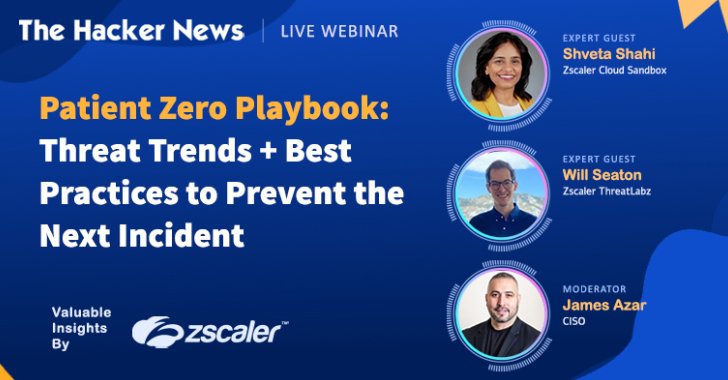
Cybersecurity experts warn that the biggest threat often comes from within, highlighting the concept of “Patient Zero.” In this context, it refers to the first device compromised during a cyberattack. Once an attacker breaches this initial point, they swiftly navigate through networks to access sensitive data, passwords, and backups. The challenge lies in identifying and stopping these infections early. Hackers now use artificial intelligence to make their harmful emails and links harder to detect, increasing the risk of stealth breaches. Therefore, understanding how “Patient Zero” operates is crucial for companies aiming to protect their digital assets.
Strategies to Kill Breaches Before They Spread
To combat these threats, recent webinars reveal that companies must act fast and implement precise strategies. For instance, recognizing the five-minute window after an initial breach can prevent widespread damage. Techniques like Zero Trust architecture help isolate infected devices, cutting off the attacker’s movement. Additionally, having a clear recovery plan ensures quick action when a breach occurs. These methods are designed not just to detect known viruses but also to stop custom and stealthy attacks. As cybersecurity evolves, adopting these proactive measures becomes essential for maintaining digital safety and preventing costly disruptions.
Continue Your Tech Journey
Dive deeper into the world of Cryptocurrency and its impact on global finance.
Access comprehensive resources on technology by visiting Wikipedia.
DataProtection-V1
