
Close Menu
  • Home
  • Cybercrime and Ransomware
  • Emerging Tech
  • Threat Intelligence
  • Expert Insights
  • Careers and Learning
  • Compliance

Subscribe to Updates

Subscribe to our newsletter and never miss our latest news

Subscribe my Newsletter for New Posts & tips Let's stay updated!

What's Hot

The Context Layer Enterprise AI Agents Need

October 19, 2026

Secure Remote Service. Standardize Access. Strengthen Compliance.

October 19, 2026

Rank Math PRO Hijacked to Deliver Self-Restoring WordPress Backdoor

October 19, 2026
Facebook X (Twitter) Instagram
The CISO Brief
  • Home
  • Cybercrime and Ransomware
  • Emerging Tech
  • Threat Intelligence
  • Expert Insights
  • Careers and Learning
  • Compliance
Home » OpenCode Breach May Expose OpenAI, Anthropic & Google API Keys
Uncategorized

OpenCode Breach May Expose OpenAI, Anthropic & Google API Keys

Staff WriterBy Staff WriterOctober 19, 2026No Comments3 Mins Read1 Views
Facebook Twitter Pinterest LinkedIn Tumblr Email
Share
Facebook Twitter LinkedIn Pinterest WhatsApp Email

Quick Takeaways

  1. Potential key exposure: An intruder accessed a legacy OpenCode system on October 16; provider keys saved in OpenCode Console may have been exposed.
  2. Limited scope: OpenCode says 1.4% of Console users with linked AI providers were affected; its command-line and desktop apps were not involved.
  3. Act now: Affected users should revoke and replace keys with their provider, update apps and scripts, and check usage and billing from October 16 onward.
  4. Details remain unclear: OpenCode linked the incident to a large-scale AI distillation attack, but has not confirmed keys were copied or used—or explained how the breach happened.

OpenCode warns of possible API-key exposure

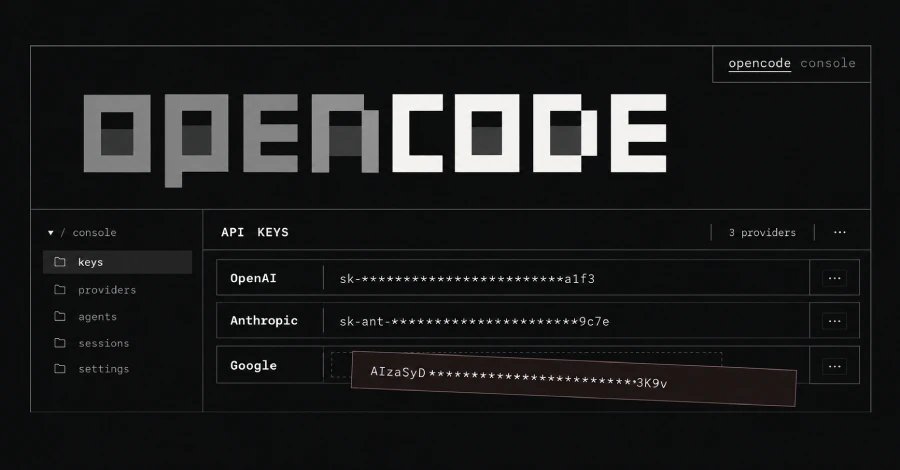
An intruder reached a legacy OpenCode system on the night of October 16. As a result, keys that some users saved in OpenCode Console may have been exposed. Those keys connect workspaces to services from OpenAI, Anthropic, and Google.

OpenCode says the affected users make up 1.4% of Console users who linked an outside provider. The company emailed them on October 17 and said others did not face the same risk. It has not confirmed that anyone copied or used a key, nor said how many users the percentage represents.

The incident affects Console, OpenCode’s optional hosted workspace service—not the company’s command-line or desktop apps, which store keys on users’ own devices. OpenCode also described the breach as related to a large-scale AI model distillation attack, but has not explained the connection. Distillation can involve gathering large numbers of model responses to train another system.

Users should replace keys and check bills

A provider key works like a password for an AI account: someone who obtains it may make requests that the account owner pays for. Deleting a key from Console does not disable it. Instead, affected users should revoke it in the provider’s own dashboard, create a replacement, and update any apps or scripts that use the old key.

They should also review provider usage and billing from at least October 16, then set spending alerts or limits. Some users have reported unexpected charges, but OpenCode has not confirmed those claims. The company says attackers continued trying to access its systems as it worked with the three providers to strengthen security.

Shared AI workspaces can make it easier for teams to use powerful tools without passing keys among colleagues. However, this incident shows why convenience must come with careful key management. As AI tools spread into everyday work, clear security steps can help people benefit from them while limiting the cost of a mistake.

Expand Your Tech Knowledge

Dive deeper into the world of Cryptocurrency and its impact on global finance.

Stay inspired by the vast knowledge available on Wikipedia.

DataProtection-V1

Share. Facebook Twitter Pinterest LinkedIn Tumblr Email
Previous ArticleRussian-Language Cybercriminals Target Victims With Fake Tech-Support Scams
Next Article

AI Threats Are Rising: Enforce Accountability. Trust Nothing.

Avatar photo
Staff Writer
  • Website

John Marcelli is a staff writer for the CISO Brief, with a passion for exploring and writing about the ever-evolving world of technology. From emerging trends to in-depth reviews of the latest gadgets, John stays at the forefront of innovation, delivering engaging content that informs and inspires readers. When he's not writing, he enjoys experimenting with new tech tools and diving into the digital landscape.

Related Posts

PEERSTITCH Malware Bypasses VPN Checks via FortiOS Flaw

October 16, 2026

Urgent: Ivanti Connect Secure Flaws Trigger 105 Exploit Attempts

October 14, 2026

CyberXero’s Claude Code Hack Steals 628,000 Ukrainian Records

October 12, 2026

Comments are closed.

Latest Posts

Secure Remote Service. Standardize Access. Strengthen Compliance.

October 19, 2026

AI Threats Are Rising: Enforce Accountability. Trust Nothing.

October 19, 2026

Cyber Incident Disrupts U.S. Bankruptcy Court System

October 19, 2026

Critical Infrastructure Threats Expand Across IT and OT

October 19, 2026
Don't Miss

PEERSTITCH Malware Bypasses VPN Checks via FortiOS Flaw

By Staff WriterOctober 16, 2026

Quick Takeaways A sophisticated threat actor exploited a Fortinet FortiOS vulnerability (CVE-2025-61624) to deploy the…

Urgent: Ivanti Connect Secure Flaws Trigger 105 Exploit Attempts

October 14, 2026

CyberXero’s Claude Code Hack Steals 628,000 Ukrainian Records

October 12, 2026

Subscribe to Updates

Subscribe to our newsletter and never miss our latest news

Subscribe my Newsletter for New Posts & tips Let's stay updated!

Recent Posts

  • The Context Layer Enterprise AI Agents Need

  • Secure Remote Service. Standardize Access. Strengthen Compliance.

  • Rank Math PRO Hijacked to Deliver Self-Restoring WordPress Backdoor
  • AI Threats Are Rising: Enforce Accountability. Trust Nothing.

  • OpenCode Breach May Expose OpenAI, Anthropic & Google API Keys

About Us
About Us

Welcome to The CISO Brief, your trusted source for the latest news, expert insights, and developments in the cybersecurity world.

In today’s rapidly evolving digital landscape, staying informed about cyber threats, innovations, and industry trends is critical for professionals and organizations alike. At The CISO Brief, we are committed to providing timely, accurate, and insightful content that helps security leaders navigate the complexities of cybersecurity.

Facebook X (Twitter) Pinterest YouTube WhatsApp
Our Picks

The Context Layer Enterprise AI Agents Need

October 19, 2026

Secure Remote Service. Standardize Access. Strengthen Compliance.

October 19, 2026

Rank Math PRO Hijacked to Deliver Self-Restoring WordPress Backdoor

October 19, 2026
Most Popular

Gefährliche Angriffe: Wie Cyberkriminelle Ihre Identität angreifen

January 29, 2026298 Views

CISA Alerts: Critical Vulnerability in Splunk Enterprise Under Active Attack

June 19, 2026214 Views

Salesforce Disables Klue App After Data Breach from Token Abuse

June 19, 2026210 Views

Archives

  • October 2026
  • September 2026
  • August 2026
  • July 2026
  • June 2026
  • May 2026
  • April 2026
  • March 2026
  • February 2026
  • January 2026
  • December 2025
  • November 2025
  • October 2025
  • September 2025
  • August 2025
  • July 2025
  • June 2025

Categories

  • Compliance
  • Cyber Updates
  • Cybercrime and Ransomware
  • Editor's pick
  • Emerging Tech
  • Events
  • Featured
  • Insights
  • Most Read
  • Threat Intelligence
  • Uncategorized
© 2026 thecisobrief. Designed by thecisobrief.
  • Home
  • About Us
  • Advertise with Us
  • Contact Us
  • DMCA
  • Privacy Policy
  • Terms & Conditions

Type above and press Enter to search. Press Esc to cancel.