
Close Menu
  • Home
  • Cybercrime and Ransomware
  • Emerging Tech
  • Threat Intelligence
  • Expert Insights
  • Careers and Learning
  • Compliance

Subscribe to Updates

Subscribe to our newsletter and never miss our latest news

Subscribe my Newsletter for New Posts & tips Let's stay updated!

What's Hot

Ransomware Negotiator Admits to Aiding BlackCat Attacks

April 22, 2026

Unlocking Trust: Navigating the Verifiable Digital Credential Ecosystem

April 21, 2026

Ex-DigitalMint Negotiator Admits to Extortion Scheme

April 21, 2026
Facebook X (Twitter) Instagram
The CISO Brief
  • Home
  • Cybercrime and Ransomware
  • Emerging Tech
  • Threat Intelligence
  • Expert Insights
  • Careers and Learning
  • Compliance
Home » Operation DoppelBrand: Harnessing Fortune 500 Power
Compliance

Operation DoppelBrand: Harnessing Fortune 500 Power

Staff WriterBy Staff WriterFebruary 16, 2026No Comments3 Mins Read2 Views
Facebook Twitter Pinterest LinkedIn Tumblr Email
Share
Facebook Twitter LinkedIn Pinterest WhatsApp Email

Summary Points

  1. Threat Actor HS7 Targets Fortune 500: The financially motivated threat group GS7 is conducting an ongoing phishing campaign known as Operation DoppelBrand, targeting major corporations with impersonated websites to harvest credentials.

  2. Sophisticated Phishing Infrastructure: GS7’s operation showcases advanced tactics, including the use of over 150 malicious domains and accurate brand impersonation, making it challenging for victims to detect fraudulent sites.

  3. Data Exfiltration and Remote Access: Collected login credentials, device information, and other sensitive data are exfiltrated via Telegram, with the group potentially acting as an initial access broker for ransomware operations.

  4. Evolving Phishing Tactics: Despite years of operation without detection, GS7’s sophisticated brand impersonation highlights the ongoing evolution of phishing strategies, emphasizing the need for increased online security measures like multi-factor authentication.

Operation DoppelBrand: A New Type of Phishing Threat

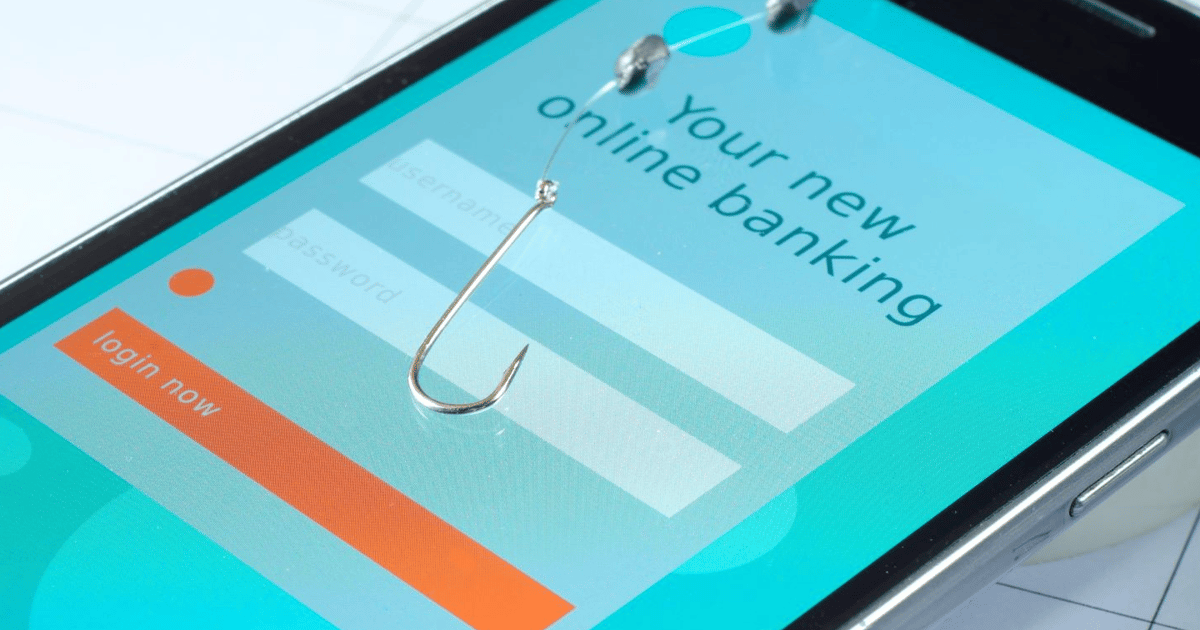
An elusive group known as GS7 has launched a relentless phishing campaign targeting Fortune 500 companies. This operation, named Operation DoppelBrand, employs a unique tactic by using the companies’ own branding against them. By creating fake websites that closely resemble official login portals, GS7 aims to harvest sensitive user credentials. Major financial institutions like Wells Fargo and Citibank are among the primary targets. Such a landscape makes it increasingly challenging for victims to distinguish real from fake.

The operation, initially observed between December and January, reflects GS7’s deep-rooted history in cybercrime, dating back to 2022. Researchers note that the group has established an extensive phishing infrastructure, frequently rotating their tactics to evade detection. GS7 registered over 150 malicious domains in just a few months, utilizing various techniques to conceal their actions, which suggests advanced planning and technical expertise.

The Broader Impact of Credential Theft

Once the phishing attack succeeds, GS7 swiftly exfiltrates stolen credentials through Telegram bots. This immediate transfer enhances the threat actor’s access to potential victims. GS7’s strategies not only aim to steal credentials but also involve installing remote management tools on compromised systems, further expanding their intrusion capabilities. Interestingly, the group appears to act as an initial access broker, potentially selling system access to ransomware actors. With a focus on English-speaking markets, particularly the US, GS7 aims to exploit a broad range of high-value targets across various sectors.

The continued evolution of phishing tactics, exemplified by GS7, signifies a pressing need for awareness and protection measures. Individuals should take proactive steps, such as enabling multi-factor authentication and verifying the authenticity of websites before logging in. Community insights and resources from cybersecurity experts can provide vital information to counteract this growing threat and safeguard users against organized phishing schemes.

Continue Your Tech Journey

Dive deeper into the world of Cryptocurrency and its impact on global finance.

Access comprehensive resources on technology by visiting Wikipedia.

CyberRisk-V1

Share. Facebook Twitter Pinterest LinkedIn Tumblr Email
Previous ArticleLockBit 5.0 Targets Windows, Linux, and ESXi Systems
Next Article Shielding Your Future: Top 10 Risks in Copilot Studio Security
Avatar photo
Staff Writer
  • Website

John Marcelli is a staff writer for the CISO Brief, with a passion for exploring and writing about the ever-evolving world of technology. From emerging trends to in-depth reviews of the latest gadgets, John stays at the forefront of innovation, delivering engaging content that informs and inspires readers. When he's not writing, he enjoys experimenting with new tech tools and diving into the digital landscape.

Related Posts

Ransomware Negotiator Admits BlackCat Scheme

April 21, 2026

Vercel Employee AI Tool Access Triggers Data Breach

April 20, 2026

NIST’s CVE Cutback: What It Means for Cyber Teams

April 17, 2026

Comments are closed.

Latest Posts

Ex-DigitalMint Negotiator Admits to Extortion Scheme

April 21, 2026

Scottish Man Admits Role in Infamous Attack Spree

April 21, 2026

AI-Driven Exploits Could Collapse Defender Patch Windows

April 21, 2026

Hackers Exploit GitHub Issue Alerts to Phish Developers via Malicious OAuth Apps

April 21, 2026
Don't Miss

Ransomware Negotiator Admits BlackCat Scheme

By Staff WriterApril 21, 2026

Quick Takeaways A former ransomware negotiator pleaded guilty to collaborating with BlackCat/ALPHV, aiding attacks on…

Vercel Employee AI Tool Access Triggers Data Breach

April 20, 2026

NIST’s CVE Cutback: What It Means for Cyber Teams

April 17, 2026

Subscribe to Updates

Subscribe to our newsletter and never miss our latest news

Subscribe my Newsletter for New Posts & tips Let's stay updated!

Recent Posts

  • Ransomware Negotiator Admits to Aiding BlackCat Attacks
  • Unlocking Trust: Navigating the Verifiable Digital Credential Ecosystem
  • Ex-DigitalMint Negotiator Admits to Extortion Scheme
  • Ransomware Negotiator Admits BlackCat Scheme
  • SystemBC C2 Server Exposes Over 1,570 Victims in Ransomware Campaign
About Us
About Us

Welcome to The CISO Brief, your trusted source for the latest news, expert insights, and developments in the cybersecurity world.

In today’s rapidly evolving digital landscape, staying informed about cyber threats, innovations, and industry trends is critical for professionals and organizations alike. At The CISO Brief, we are committed to providing timely, accurate, and insightful content that helps security leaders navigate the complexities of cybersecurity.

Facebook X (Twitter) Pinterest YouTube WhatsApp
Our Picks

Ransomware Negotiator Admits to Aiding BlackCat Attacks

April 22, 2026

Unlocking Trust: Navigating the Verifiable Digital Credential Ecosystem

April 21, 2026

Ex-DigitalMint Negotiator Admits to Extortion Scheme

April 21, 2026
Most Popular

Protecting MCP Security: Defeating Prompt Injection & Tool Poisoning

January 30, 202630 Views

The New Face of DDoS is Impacted by AI

August 4, 202524 Views

Scams: Unstoppable but Manageable

June 3, 202523 Views

Archives

  • April 2026
  • March 2026
  • February 2026
  • January 2026
  • December 2025
  • November 2025
  • October 2025
  • September 2025
  • August 2025
  • July 2025
  • June 2025

Categories

  • Compliance
  • Cyber Updates
  • Cybercrime and Ransomware
  • Editor's pick
  • Emerging Tech
  • Events
  • Featured
  • Insights
  • Most Read
  • Threat Intelligence
  • Uncategorized
© 2026 thecisobrief. Designed by thecisobrief.
  • Home
  • About Us
  • Advertise with Us
  • Contact Us
  • DMCA
  • Privacy Policy
  • Terms & Conditions

Type above and press Enter to search. Press Esc to cancel.