
Close Menu
  • Home
  • Cybercrime and Ransomware
  • Emerging Tech
  • Threat Intelligence
  • Expert Insights
  • Careers and Learning
  • Compliance

Subscribe to Updates

Subscribe to our newsletter and never miss our latest news

Subscribe my Newsletter for New Posts & tips Let's stay updated!

What's Hot

Nigeria faces 4,906 weekly cyberattacks, surge in threats

September 15, 2026

Guarding Your Organization Against AI-Driven Executive Impersonation and Invoice Fraud

September 15, 2026

Critical Security Flaw Threatens Supply Chain Integrity

September 14, 2026
Facebook X (Twitter) Instagram
The CISO Brief
  • Home
  • Cybercrime and Ransomware
  • Emerging Tech
  • Threat Intelligence
  • Expert Insights
  • Careers and Learning
  • Compliance
Home » Ransomware Attack Causes Major Pennsylvania Outage
Cybercrime and Ransomware

Ransomware Attack Causes Major Pennsylvania Outage

Staff WriterBy Staff WriterSeptember 2, 2025No Comments4 Mins Read5 Views
Facebook Twitter Pinterest LinkedIn Tumblr Email
Share
Facebook Twitter LinkedIn Pinterest WhatsApp Email

Quick Takeaways

  1. The Pennsylvania Attorney General’s Office experienced a two-week service outage caused by a ransomware attack, which they have refused to pay for.
  2. The attack disrupted multiple systems, including the website, emails, and phones, but staff are now working through alternative channels.
  3. Authorities are investigating, with no current evidence of data exfiltration, though affected individuals will be notified if data theft is confirmed.
  4. This incident marks the third ransomware attack against a Pennsylvania state entity, following previous targeted assaults in 2017 and 2020.

Problem Explained

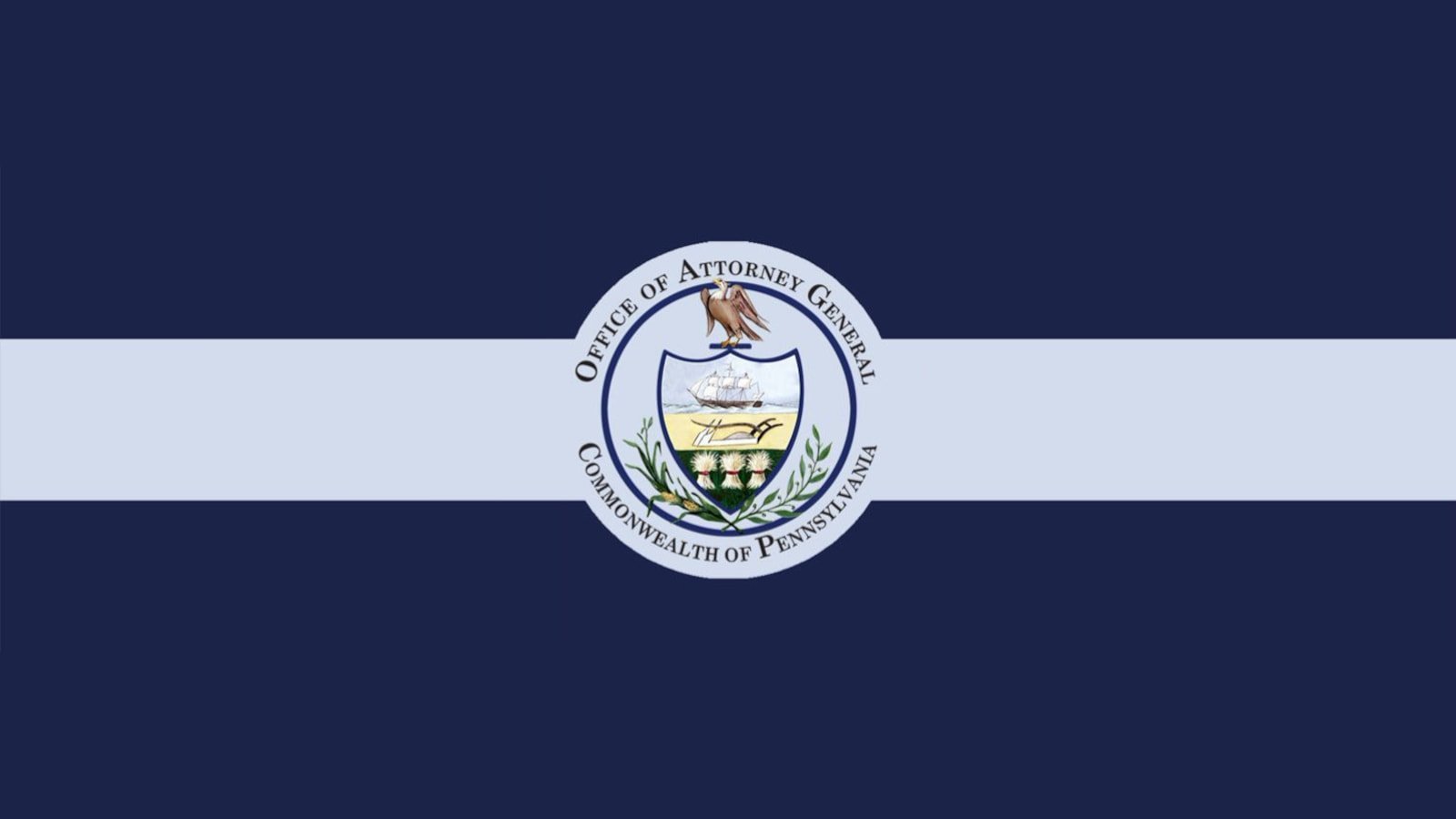
Recently, the Office of the Pennsylvania Attorney General has been experiencing a severe service disruption caused by a ransomware attack, which has persisted for two weeks. Attorney General David W. Sunday Jr. confirmed that hackers encrypted their files in an attempt to coerce the office into paying a ransom, but the office refused to comply, choosing to stand firm against extortion. As a result, many critical systems—including the public website, email, and phone lines—were knocked out, hampering their ability to operate normally, although staff have been managing through alternative channels. The investigation into the attack is ongoing, with authorities not yet revealing whether any sensitive data was stolen, but they assure the public that criminal and civil processes are expected to continue unaffected.

This incident is part of a troubling pattern of cyberattacks targeting Pennsylvania’s government entities, with this being the third such assault on a state institution. Past attacks, including a ransomware strike on Delaware County in 2020 and an attack on the Pennsylvania Senate Democratic Caucus in 2017, have shown a troubling uptick in hackers targeting government and political bodies. While no group has yet claimed responsibility for this latest attack, the lack of a ransom payment and ongoing investigations indicate an effort to contain the damage and prevent further breaches. The report underscores the growing cybersecurity threat facing state agencies, highlighting the critical need for strengthened defenses against increasingly sophisticated cybercriminals.

Risks Involved

The Pennsylvania Attorney General’s Office is enduring a two-week service outage caused by a ransomware attack, which involved maliciously encrypting files to extort payment — a threat they refused to meet, maintaining that no ransom has been paid. This cyber assault compromised critical systems, including their website, email, and phone services, forcing reliance on alternative communication channels and delaying court proceedings through extensions. While the attack’s impact on sensitive data remains uncertain, non-disclosure depends on ongoing investigations. Past breaches in Pennsylvania—such as the 2017 attack on the State Senate and the 2020 DoppelPaymer attack on Delaware County—highlight the escalating cyber risks faced by government entities. With nearly half of organizations’ passwords being cracked, cybersecurity vulnerabilities continue to grow, underscoring the importance of robust defenses in preventing data breaches, operational disruptions, and the potential exposure of confidential information.

Possible Actions

Prompt action in resolving cybersecurity issues is crucial, especially when sensitive legal and governmental functions are involved, as highlighted by the Pennsylvania AG Office’s recent ransomware attack. Swift, effective remedies are essential to minimize damage, restore normal operations, and prevent future breaches.

Mitigation Strategies

  • Threat Identification: Conduct comprehensive scans to detect malicious activity and understand the attack’s nature.
  • Containment Measures: Isolate infected systems to prevent malware spread and gather evidence for analysis.
  • System Restoration: Reinstall or update compromised software and restore data from secure backups.
  • Security Enhancements: Install or upgrade firewalls, antivirus programs, and intrusion detection systems.

Remediation Steps

  • Incident Response Activation: Engage cybersecurity teams immediately to coordinate response efforts.
  • Vulnerability Patching: Apply patches and security updates to close exploited vulnerabilities.
  • User Education: Train staff on recognizing phishing attempts and secure handling of sensitive information.
  • Legal and Reporting: Notify appropriate authorities and comply with regulatory reporting requirements.
  • Post-Incident Review: Analyze the breach to identify weaknesses and adjust security policies and controls accordingly.

Advance Your Cyber Knowledge

Discover cutting-edge developments in Emerging Tech and industry Insights.

Understand foundational security frameworks via NIST CSF on Wikipedia.

Disclaimer: The information provided may not always be accurate or up to date. Please do your own research, as the cybersecurity landscape evolves rapidly. Intended for secondary references purposes only.

Cyberattacks-V1

CISO Update Cybersecurity MX1
Share. Facebook Twitter Pinterest LinkedIn Tumblr Email
Previous ArticleSalesloft and Drift Launch Cyberattacks on Cloudflare, Palo Alto Networks, and Zscaler
Next Article Data Breach Exposes Customer Info & Support Cases at Palo Alto Networks
Avatar photo
Staff Writer
  • Website

John Marcelli is a staff writer for the CISO Brief, with a passion for exploring and writing about the ever-evolving world of technology. From emerging trends to in-depth reviews of the latest gadgets, John stays at the forefront of innovation, delivering engaging content that informs and inspires readers. When he's not writing, he enjoys experimenting with new tech tools and diving into the digital landscape.

Related Posts

Nigeria faces 4,906 weekly cyberattacks, surge in threats

September 15, 2026

Guarding Your Organization Against AI-Driven Executive Impersonation and Invoice Fraud

September 15, 2026

AI-powered cyberattacks target entire kill chain stages

September 14, 2026

Comments are closed.

Latest Posts

CISA Flags Critical Ray Flaw for Browser-Based RCE Exploits

September 13, 2026

TWINLOOT Exploits SharePoint and Teams to Steal Credentials and Lateral Movement

September 10, 2026

Windchill Web Shell Exposes Credentials and Maps Engineering Data

September 7, 2026

SilkParasite Espionage Campaign Launches Five New RATs Against Central Asian Governments

September 4, 2026
Don't Miss

Nigeria faces 4,906 weekly cyberattacks, surge in threats

By Staff WriterSeptember 15, 2026

Essential Insights Nigeria experienced a 45% increase in weekly cyberattacks in August 2026, averaging 4,906…

Guarding Your Organization Against AI-Driven Executive Impersonation and Invoice Fraud

September 15, 2026

AI-powered cyberattacks target entire kill chain stages

September 14, 2026

Subscribe to Updates

Subscribe to our newsletter and never miss our latest news

Subscribe my Newsletter for New Posts & tips Let's stay updated!

Recent Posts

  • Nigeria faces 4,906 weekly cyberattacks, surge in threats
  • Guarding Your Organization Against AI-Driven Executive Impersonation and Invoice Fraud
  • Critical Security Flaw Threatens Supply Chain Integrity
  • AI-powered cyberattacks target entire kill chain stages
  • 3BB attacker exploits MeshCentral backdoor for root access
About Us
About Us

Welcome to The CISO Brief, your trusted source for the latest news, expert insights, and developments in the cybersecurity world.

In today’s rapidly evolving digital landscape, staying informed about cyber threats, innovations, and industry trends is critical for professionals and organizations alike. At The CISO Brief, we are committed to providing timely, accurate, and insightful content that helps security leaders navigate the complexities of cybersecurity.

Facebook X (Twitter) Pinterest YouTube WhatsApp
Our Picks

Nigeria faces 4,906 weekly cyberattacks, surge in threats

September 15, 2026

Guarding Your Organization Against AI-Driven Executive Impersonation and Invoice Fraud

September 15, 2026

Critical Security Flaw Threatens Supply Chain Integrity

September 14, 2026
Most Popular

CISA Alerts: Critical Vulnerability in Splunk Enterprise Under Active Attack

June 19, 2026182 Views

Salesforce Disables Klue App After Data Breach from Token Abuse

June 19, 2026180 Views

Gefährliche Angriffe: Wie Cyberkriminelle Ihre Identität angreifen

January 29, 2026180 Views

Archives

  • September 2026
  • August 2026
  • July 2026
  • June 2026
  • May 2026
  • April 2026
  • March 2026
  • February 2026
  • January 2026
  • December 2025
  • November 2025
  • October 2025
  • September 2025
  • August 2025
  • July 2025
  • June 2025

Categories

  • Compliance
  • Cyber Updates
  • Cybercrime and Ransomware
  • Editor's pick
  • Emerging Tech
  • Events
  • Featured
  • Insights
  • Most Read
  • Threat Intelligence
  • Uncategorized
© 2026 thecisobrief. Designed by thecisobrief.
  • Home
  • About Us
  • Advertise with Us
  • Contact Us
  • DMCA
  • Privacy Policy
  • Terms & Conditions

Type above and press Enter to search. Press Esc to cancel.