

Essential Insights
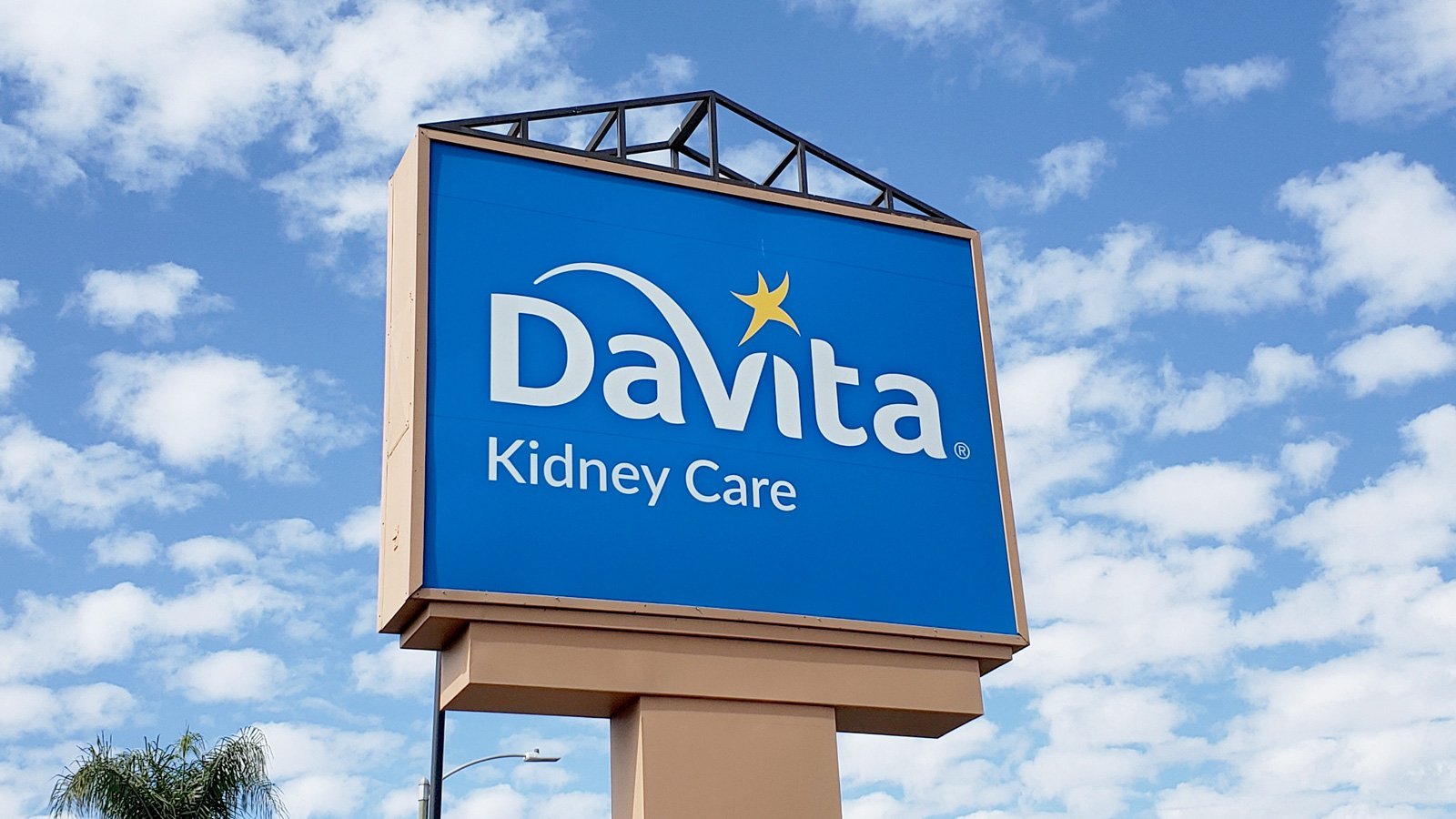
- Nearly 2.7 million individuals’ personal and health data were stolen from DaVita due to a ransomware breach, with the threat actor gaining access between March 24 and April 12.
- The attackers, identified as the Interlock ransomware gang, claimed responsibility, allegedly stealing 1.5 terabytes of data and leaking sensitive patient and insurance information on the dark web.
- DaVita confirmed that the breach affected approximately 2.4 million individuals, with the stolen data including personal details, health information, and sometimes tax IDs and personal checks.
- The breach highlights the rising cyber risks in healthcare, with nearly 46% of environments experiencing password breaches, nearly doubling from 25% last year.
The Core Issue
In a significant cybersecurity breach, DaVita, a leading kidney dialysis provider with over 265,400 patients and revenues surpassing $12 billion, was targeted by a ransomware group, identified as Interlock, which successfully infiltrated its network. The attackers gained access on March 24 and remained undetected until April, when DaVita discovered that their systems had been partially encrypted. During this period, the hackers stole sensitive information from the company’s labs database, including personal details like names, social security numbers, health conditions, treatment data, and even images of personal checks. The breach was ultimately disclosed by the Department of Health’s Office for Civil Rights, revealing that nearly 2.7 million individuals had their private data compromised—though internal estimates suggest around 2.4 million were affected. The hackers later released some of the stolen files on their dark web portal after negotiations with DaVita failed to produce a ransom agreement, raising heightened concerns about the security vulnerabilities within healthcare organizations and their ongoing battle to protect patient confidentiality.
The incident underscores the growing threat posed by cybercriminal groups like Interlock, which has recently targeted multiple healthcare entities across the globe, deploying sophisticated malware and remote access tools such as NodeSnake. Although DaVita has not publicly confirmed whether the ransomware group demanded a ransom, the breach has prompted the company to notify thousands of current and former patients and offer credit monitoring services to mitigate damage. The attack highlights the increasing prevalence of cyber threats in critical healthcare infrastructure, driven by cybercriminals’ targeting of sensitive health and financial data, which remains a lucrative prize on the dark web. Reporting on this breach comes from DaVita itself, as it seeks to manage the fallout and reinforce patient data security in the wake of this alarming intrusion.
Potential Risks
The cyberattack on DaVita, a major kidney dialysis provider serving millions globally, exemplifies the profound and multifaceted risks associated with ransomware breaches in healthcare. When hackers, identified as the Interlock gang, gained unauthorized access to DaVita’s network, they stole sensitive personal, health, and financial data of nearly 2.7 million individuals—highlighting how cybercriminals exploit healthcare infrastructure for lucrative data theft. The breach’s impact extends beyond data loss, risking identity theft, financial fraud, and compromised patient privacy, while undermining trust in vital medical services. The incident underscores the escalation of cyber threats targeting healthcare, with attackers leveraging sophisticated ransomware operations to enforce data exfiltration, leak valuable information on dark web marketplaces, and challenge organizational security defenses. As cybercriminals grow more adept, critical sectors like healthcare face an urgent need to bolster safeguards, given the severe implications for patient safety, operational continuity, and regulatory compliance in the face of increasing cyber risks.
Fix & Mitigation
Addressing cybersecurity breaches swiftly is crucial for minimizing harm, protecting sensitive information, and restoring trust after a ransomware attack like the one at DaVita, where nearly 2.7 million individuals’ data was compromised.
Containment Efforts
Immediately isolate affected systems to prevent further spread of malware or data theft.
Assessment of Breach
Conduct a thorough investigation to determine the extent and nature of the data loss and how attacker access was gained.
Notification and Communication
Inform affected individuals and regulatory bodies promptly, maintaining transparency to uphold trust and fulfill legal obligations.
Security Patches and Updates
Apply all relevant security patches to close vulnerabilities exploited by the ransomware gang.
Enhanced Security Measures
Implement advanced threat detection tools, multi-factor authentication, and robust firewalls.
Credential Management
Reset compromised passwords and recommend multi-factor authentication for all users.
Data Restoration
Restore systems from secure backups to minimize data loss and resume operations smoothly.
Legal and Cybersecurity Consultation
Engage cybersecurity experts and legal advisors to navigate response strategies and compliance requirements.
Long-term Safeguards
Develop ongoing cybersecurity training and a comprehensive incident response plan to prevent future breaches.
Stay Ahead in Cybersecurity
Discover cutting-edge developments in Emerging Tech and industry Insights.
Access world-class cyber research and guidance from IEEE.
Disclaimer: The information provided may not always be accurate or up to date. Please do your own research, as the cybersecurity landscape evolves rapidly. Intended for secondary references purposes only.
Cyberattacks-V1
