
Close Menu
  • Home
  • Cybercrime and Ransomware
  • Emerging Tech
  • Threat Intelligence
  • Expert Insights
  • Careers and Learning
  • Compliance

Subscribe to Updates

Subscribe to our newsletter and never miss our latest news

Subscribe my Newsletter for New Posts & tips Let's stay updated!

What's Hot

Third-Party Breaches Cost Schools a Hard Lesson in Vendor Risk

June 27, 2026

MeitY mandates cyber audits to counter AI-related vulnerabilities

June 27, 2026

Boosting Mobile Security: Extending Cyber Resilience with Aurora Mobile Threat Defense

June 26, 2026
Facebook X (Twitter) Instagram
The CISO Brief
  • Home
  • Cybercrime and Ransomware
  • Emerging Tech
  • Threat Intelligence
  • Expert Insights
  • Careers and Learning
  • Compliance
Home » Rethinking Software Vulnerabilities: NIST’s New Approach
Cyber Updates

Rethinking Software Vulnerabilities: NIST’s New Approach

Staff WriterBy Staff WriterJanuary 28, 2026No Comments2 Mins Read2 Views
Facebook Twitter Pinterest LinkedIn Tumblr Email
Share
Facebook Twitter LinkedIn Pinterest WhatsApp Email

Quick Takeaways

  1. NIST Reassessment: The National Institute of Standards and Technology (NIST) is re-evaluating its role in managing software vulnerabilities due to overwhelming demand and prior funding issues threatening the National Vulnerability Database (NVD).

  2. Strategic Prioritization: NIST will prioritize vulnerability enrichment based on factors like criticality and exploitation status, aiming to formalize a previously informal system to manage the influx of vulnerabilities effectively.

  3. Shifting Responsibility: Plans are underway for NIST to transfer vulnerability analysis responsibilities to CVE Numbering Authorities (CNAs), marking a significant shift in its operational focus back to research and standards.

  4. Collaborative Efforts: NIST seeks to improve collaboration with partners and avoid duplication of efforts in the cybersecurity community, particularly in light of new initiatives like CISA’s “Vulnrichment” project and the European Global CVE Allocation System.

Triaging Flaws

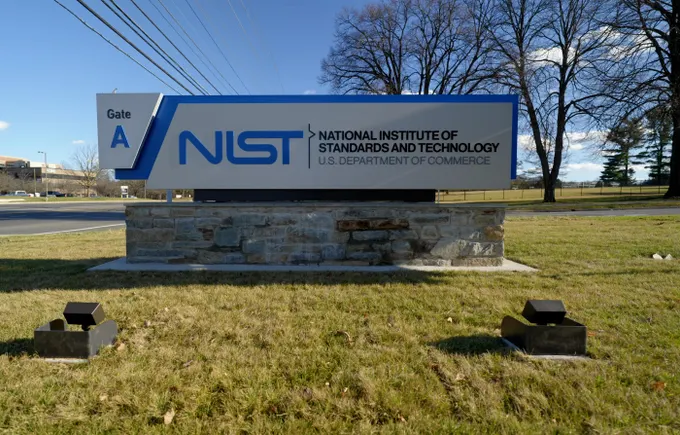
The National Institute of Standards and Technology (NIST) is reassessing its approach to software vulnerabilities. This shift comes amid soaring demands for more effective vulnerability analysis. Jon Boyens, acting chief of NIST’s Computer Security Division, noted the agency’s inability to keep pace with incoming vulnerabilities. As a solution, NIST plans to prioritize vulnerability enrichment. By evaluating factors such as which flaws appear in the Cybersecurity and Infrastructure Security Agency’s (CISA) Known Exploited Vulnerabilities catalog, NIST aims to focus its resources better. Boyens emphasized that not all Common Vulnerabilities and Exposures (CVEs) require equal attention. With this new direction, NIST seeks to enhance its efficiency while maintaining the integrity of its cybersecurity mission.

Shifting Responsibility

In addition to establishing priorities, NIST is reevaluating its role within the vulnerability ecosystem. The agency intends to engage with external partners—government bodies, private firms, and researchers—to gather insights on their needs from the National Vulnerability Database (NVD). This dialogue will clarify how NIST can best serve the cybersecurity community. By potentially transferring vulnerability enrichment responsibilities to CVE Numbering Authorities (CNAs), NIST aims for more collaborative efforts. Boyens remarked that the shift could mean a “large reset” for the agency. As NIST returns to its core functions of research and development, it hopes to streamline efforts in a space that demands both innovation and collaboration. With these changes, NIST not only safeguards its legacy but also fosters a healthier cybersecurity environment.

Continue Your Tech Journey

Explore the future of technology with our detailed insights on Artificial Intelligence.

Explore past and present digital transformations on the Internet Archive.

Cybersecurity-1
cyber risk cybercrime Cybersecurity MX1 risk management Threats vulnerabilities
Share. Facebook Twitter Pinterest LinkedIn Tumblr Email
Previous ArticleFortinet Uncovers Zero-Day Exploit Targeting SSO Logins
Next Article Zero-Day Flaw: A Frustrating Recurrence for Customers
Avatar photo
Staff Writer
  • Website

John Marcelli is a staff writer for the CISO Brief, with a passion for exploring and writing about the ever-evolving world of technology. From emerging trends to in-depth reviews of the latest gadgets, John stays at the forefront of innovation, delivering engaging content that informs and inspires readers. When he's not writing, he enjoys experimenting with new tech tools and diving into the digital landscape.

Related Posts

MeitY mandates cyber audits to counter AI-related vulnerabilities

June 27, 2026

Boosting Mobile Security: Extending Cyber Resilience with Aurora Mobile Threat Defense

June 26, 2026

Global Government Trap Exposed: 11,000+ Fake Portals Target Citizens Worldwide

June 26, 2026

Comments are closed.

Latest Posts

Japan’s Ground Self-Defense Force Faces Malware Threat via Infected USB Drives

June 26, 2026

Zero Trust in OT: A 90-Day Board Engagement & Action Plan

June 26, 2026

Mythos: A Signal, Not a Siren—What Frontier AI Means for CISOs

June 26, 2026

Urgent: Cisco Unified CM Vulnerability Under Exploitation

June 26, 2026
Don't Miss

MeitY mandates cyber audits to counter AI-related vulnerabilities

By Staff WriterJune 27, 2026

Essential Insights AI-powered tools enable highly targeted phishing, deepfakes, and voice clones, increasing deception and…

Boosting Mobile Security: Extending Cyber Resilience with Aurora Mobile Threat Defense

June 26, 2026

Global Government Trap Exposed: 11,000+ Fake Portals Target Citizens Worldwide

June 26, 2026

Subscribe to Updates

Subscribe to our newsletter and never miss our latest news

Subscribe my Newsletter for New Posts & tips Let's stay updated!

Recent Posts

  • Third-Party Breaches Cost Schools a Hard Lesson in Vendor Risk
  • MeitY mandates cyber audits to counter AI-related vulnerabilities
  • Boosting Mobile Security: Extending Cyber Resilience with Aurora Mobile Threat Defense
  • Global Government Trap Exposed: 11,000+ Fake Portals Target Citizens Worldwide
  • FBI: Russian Hackers Target Signal Backup Recovery Keys
About Us
About Us

Welcome to The CISO Brief, your trusted source for the latest news, expert insights, and developments in the cybersecurity world.

In today’s rapidly evolving digital landscape, staying informed about cyber threats, innovations, and industry trends is critical for professionals and organizations alike. At The CISO Brief, we are committed to providing timely, accurate, and insightful content that helps security leaders navigate the complexities of cybersecurity.

Facebook X (Twitter) Pinterest YouTube WhatsApp
Our Picks

Third-Party Breaches Cost Schools a Hard Lesson in Vendor Risk

June 27, 2026

MeitY mandates cyber audits to counter AI-related vulnerabilities

June 27, 2026

Boosting Mobile Security: Extending Cyber Resilience with Aurora Mobile Threat Defense

June 26, 2026
Most Popular

Protecting MCP Security: Defeating Prompt Injection & Tool Poisoning

January 30, 202633 Views

Unlock the Power of Free WormGPT: Harnessing DeepSeek, Gemini, and Kimi-K2 AI Models

November 27, 202530 Views

The New Face of DDoS is Impacted by AI

August 4, 202528 Views

Archives

  • June 2026
  • May 2026
  • April 2026
  • March 2026
  • February 2026
  • January 2026
  • December 2025
  • November 2025
  • October 2025
  • September 2025
  • August 2025
  • July 2025
  • June 2025

Categories

  • Compliance
  • Cyber Updates
  • Cybercrime and Ransomware
  • Editor's pick
  • Emerging Tech
  • Events
  • Featured
  • Insights
  • Most Read
  • Threat Intelligence
  • Uncategorized
© 2026 thecisobrief. Designed by thecisobrief.
  • Home
  • About Us
  • Advertise with Us
  • Contact Us
  • DMCA
  • Privacy Policy
  • Terms & Conditions

Type above and press Enter to search. Press Esc to cancel.