

Fast Facts
-
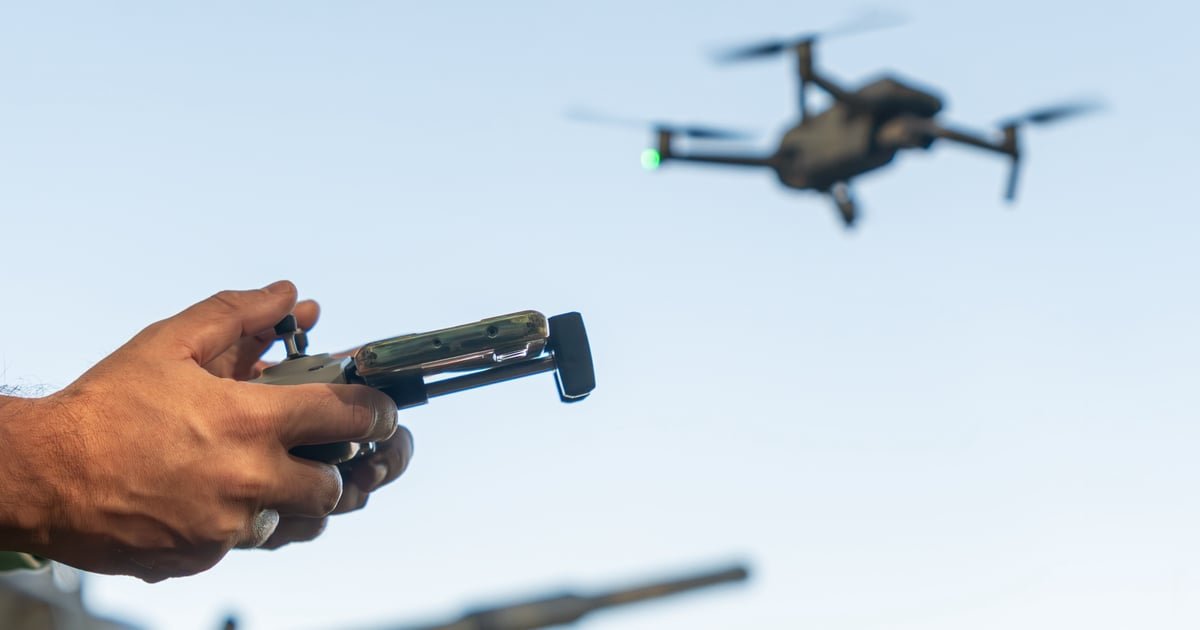
Rising Cybersecurity Threats: With the FIFA World Cup approaching in 2026 across the U.S., Canada, and Mexico, experts warn of increased cybersecurity risks from evolving threats like drones and wireless surveillance.
-
Complex Wireless Environment: Major events will create an unprecedented radio-frequency landscape, leading to challenges in securing operational technology crucial for public safety and infrastructure.
-
Active Wireless Threats: Attackers may hijack or jam command-and-control signals during the event, exploiting vulnerabilities in modern wireless networks, with breaches becoming more frequent.
-
Defensive Strategies Needed: Effective event security must integrate layered RF, radar, and optical detection systems to counter threats, as well as train personnel to manage potential cyber aggression.
Major Risks Ahead of the FIFA World Cup
As the FIFA World Cup approaches in the United States, Canada, and Mexico, cybersecurity experts highlight significant risks. Rapidly evolving threats from drones and wireless surveillance pose challenges for event safety. Experts emphasize that the reliance on wireless communications has surged over the past decade. This reliance connects security systems and operational technology more than ever, raising concerns about potential disruptions.
Cordell Bennigson, a leading expert in radio-frequency monitoring, points out that the rising threat of drones, used extensively in conflict zones, could translate to civilian settings. Major events, like the World Cup, will operate under immense wireless demands. Disruptions could affect stadium systems and public safety communications, especially when these systems rely on wireless technology.
Strategies for Enhanced Security
In 2026, the FIFA World Cup will utilize 16 stadiums, marking a substantial increase in technology usage. While this growth is essential, it opens new vulnerabilities. Major events can experience complex radio-frequency environments with countless interconnected devices, risking operational failures.
Bennigson warns that local law enforcement often lacks the tools to counter drone threats effectively. With drones capable of carrying surveillance technology and vulnerable to hacking, attackers can exploit the crowded wireless spectrum. Effective security measures must include robust detection systems. Recent advancements in AI-driven monitoring show promise in securing wireless environments. Training personnel to handle these complex challenges will be essential as cities prepare for large-scale events. Enhanced strategies can help mitigate risks and ensure public safety at global spectacles like the FIFA World Cup.
Stay Ahead with the Latest Tech Trends
Dive deeper into the world of Cryptocurrency and its impact on global finance.
Discover archived knowledge and digital history on the Internet Archive.
CyberRisk-V1
