
Close Menu
  • Home
  • Cybercrime and Ransomware
  • Emerging Tech
  • Threat Intelligence
  • Expert Insights
  • Careers and Learning
  • Compliance

Subscribe to Updates

Subscribe to our newsletter and never miss our latest news

Subscribe my Newsletter for New Posts & tips Let's stay updated!

What's Hot

Singapore Crafts National AI Governance Strategy

June 3, 2026

Secure the Future: Protecting Code, Agents, and Models Throughout Development

June 2, 2026

Ransomware novice breaches core operational security protocol

June 2, 2026
Facebook X (Twitter) Instagram
The CISO Brief
  • Home
  • Cybercrime and Ransomware
  • Emerging Tech
  • Threat Intelligence
  • Expert Insights
  • Careers and Learning
  • Compliance
Home » Urgent Alert: Vulnerability Threatens Discontinued TP-Link Routers
Cybercrime and Ransomware

Urgent Alert: Vulnerability Threatens Discontinued TP-Link Routers

Staff WriterBy Staff WriterJune 17, 2025No Comments4 Mins Read7 Views
Facebook Twitter Pinterest LinkedIn Tumblr Email
Share
Facebook Twitter LinkedIn Pinterest WhatsApp Email

Fast Facts

  1. Critical Vulnerability Discovered: CISA warns that multiple discontinued TP-Link routers are affected by command injection vulnerability CVE-2023-33538, with a CVSS score of 8.8, allowing remote attackers to execute arbitrary system commands.

  2. No Support for Impacted Devices: The affected TP-Link models, including TL-WR940N and TL-WR841N, have not received software updates since 2018, urging users to discontinue their use.

  3. Active Exploitation Noted: PoC exploit code for the vulnerability was published and removed from GitHub, indicating ongoing exploitation risks.

  4. Apple Vulnerability Alert: CISA also highlighted an active exploitation of a vulnerability in Apple products affecting image and video processing (CVE-2025-43200), which has reportedly been used in sophisticated attacks against targeted individuals, prompting updates for users.

Underlying Problem

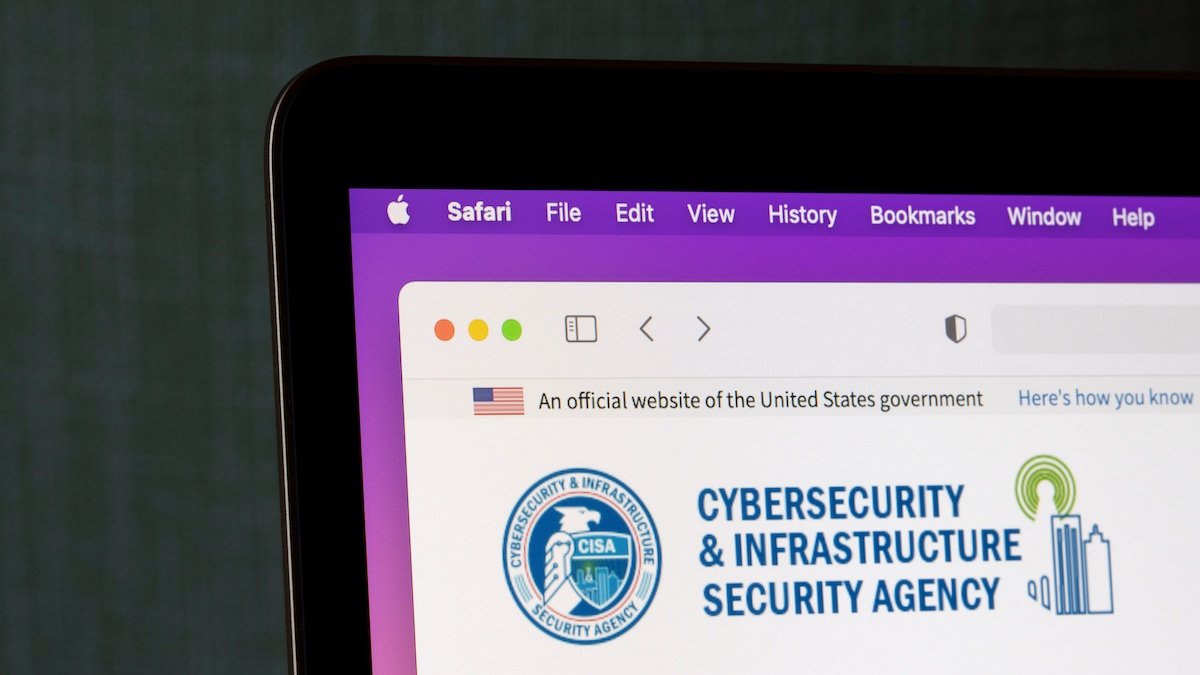
The recent alert from the Cybersecurity and Infrastructure Security Agency (CISA) highlights the urgent vulnerabilities associated with several discontinued TP-Link router models, specifically the TL-WR940N, TL-WR841N, and TL-WR740N. Identified as CVE-2023-33538, this vulnerability is a severe command injection flaw allowing remote attackers to execute arbitrary commands on affected devices, with a notably high CVSS score of 8.8. Although proof-of-concept exploit code was briefly available on GitHub, it has since been removed. CISA’s advisory stresses the critical need for users to discontinue using these outdated routers, as they no longer receive support or security updates, emphasizing a broader concern for cybersecurity amid the continuing exploitation of legacy technologies.

In a parallel vein, CISA also drew attention to the exploitation of CVE-2025-43200, a vulnerability affecting Apple products through maliciously crafted multimedia shared via iCloud. This flaw has been tied to recent high-profile attacks on journalists, where sophisticated hacking tools have allegedly been deployed. Apple has released patches addressing this security gap, and in light of ongoing threats, CISA has mandated that federal agencies act swiftly to mitigate these risks. The overall disclosure serves as a stark reminder of the persistent and evolving challenges in cybersecurity, particularly concerning outdated technology and targeted attacks on vulnerable individuals.

Risk Summary

The exploitation of the CVE-2023-33538 vulnerability in discontinued TP-Link routers poses significant risks not only to affected users but to a broad spectrum of interconnected businesses and organizations. This command injection vulnerability can enable remote attackers to execute arbitrary commands, potentially allowing them to hijack network traffic, compromise sensitive data, or launch further attacks on other devices within the same network. The ramifications of such breaches can ripple throughout the operational landscape; compromised routers could serve as launch pads for attacks on corporate networks, undermining trust and potentially resulting in severe financial losses, regulatory penalties, and reputational damage. Moreover, the active nature of this exploitation, coupled with the lack of manufacturer support for these devices, creates a dire scenario where organizations risk becoming collateral damage in a larger cyber ecosystem threatened by inadequate cybersecurity hygiene and outdated infrastructure.

Possible Actions

In the ever-evolving landscape of cybersecurity, the timely remediation of identified vulnerabilities is paramount, particularly in the context of the recent advisories issued for outdated TP-Link routers. Failure to act promptly can expose organizations to significant risks, including unauthorized access to sensitive information.

Mitigation Steps

  1. Immediate Firmware Updates
  2. Disable Unused Features
  3. Network Segmentation
  4. Implement Robust Firewalls
  5. Regular Security Audits
  6. User Education Programs
  7. Monitor for Anomalies
  8. Incident Response Planning

NIST Guidance

According to the NIST Cybersecurity Framework (CSF), organizations should prioritize risk management practices that encompass continuous monitoring and prompt remediation. Specifically, refer to NIST SP 800-53 for detailed controls and guidance on effectively addressing vulnerabilities.

Advance Your Cyber Knowledge

Discover cutting-edge developments in Emerging Tech and industry Insights.

Access world-class cyber research and guidance from IEEE.

Disclaimer: The information provided may not always be accurate or up to date. Please do your own research, as the cybersecurity landscape evolves rapidly. Intended for secondary references purposes only.

Cyberattacks-V1

CISA KEV CISO Update Cybersecurity exploited MX1 router TP-Link vulnerability
Share. Facebook Twitter Pinterest LinkedIn Tumblr Email
Previous ArticleCritical CVE-2023-33538 Flaw in TP-Link Routers Under Active Exploit!
Next Article Mastering Backup Protection: Keep Your Data Safe
Avatar photo
Staff Writer
  • Website

John Marcelli is a staff writer for the CISO Brief, with a passion for exploring and writing about the ever-evolving world of technology. From emerging trends to in-depth reviews of the latest gadgets, John stays at the forefront of innovation, delivering engaging content that informs and inspires readers. When he's not writing, he enjoys experimenting with new tech tools and diving into the digital landscape.

Related Posts

Secure the Future: Protecting Code, Agents, and Models Throughout Development

June 2, 2026

Ransomware novice breaches core operational security protocol

June 2, 2026

Gamaredon Uses WinRAR to Deploy GammaWorm and GammaSteel Malware

June 2, 2026

Comments are closed.

Latest Posts

Mustang Panda Deploys PlugX RAT via Multi-Stage LNK and PowerShell Attack Chain

June 2, 2026

Anthropic extends Project Glasswing Claude Mythos preview to 150 new organizations

June 2, 2026

Urgent: Two-Year-Old Oracle WebLogic Vulnerability Under Active Attack

June 2, 2026

CISA Warns of PAN-OS Vulnerability Exploited in Attacks

June 2, 2026
Don't Miss

Secure the Future: Protecting Code, Agents, and Models Throughout Development

By Staff WriterJune 2, 2026

Microsoft introduces advanced security tools like MDASH and integrated workflows to detect, validate, and remediate…

Ransomware novice breaches core operational security protocol

June 2, 2026

Gamaredon Uses WinRAR to Deploy GammaWorm and GammaSteel Malware

June 2, 2026

Subscribe to Updates

Subscribe to our newsletter and never miss our latest news

Subscribe my Newsletter for New Posts & tips Let's stay updated!

Recent Posts

  • Singapore Crafts National AI Governance Strategy
  • Secure the Future: Protecting Code, Agents, and Models Throughout Development
  • Ransomware novice breaches core operational security protocol
  • FBI-Flagged Phishing Kit Kali365 Extends Its Reach
  • Gamaredon Uses WinRAR to Deploy GammaWorm and GammaSteel Malware
About Us
About Us

Welcome to The CISO Brief, your trusted source for the latest news, expert insights, and developments in the cybersecurity world.

In today’s rapidly evolving digital landscape, staying informed about cyber threats, innovations, and industry trends is critical for professionals and organizations alike. At The CISO Brief, we are committed to providing timely, accurate, and insightful content that helps security leaders navigate the complexities of cybersecurity.

Facebook X (Twitter) Pinterest YouTube WhatsApp
Our Picks

Singapore Crafts National AI Governance Strategy

June 3, 2026

Secure the Future: Protecting Code, Agents, and Models Throughout Development

June 2, 2026

Ransomware novice breaches core operational security protocol

June 2, 2026
Most Popular

Protecting MCP Security: Defeating Prompt Injection & Tool Poisoning

January 30, 202632 Views

Unlock the Power of Free WormGPT: Harnessing DeepSeek, Gemini, and Kimi-K2 AI Models

November 27, 202530 Views

The New Face of DDoS is Impacted by AI

August 4, 202528 Views

Archives

  • June 2026
  • May 2026
  • April 2026
  • March 2026
  • February 2026
  • January 2026
  • December 2025
  • November 2025
  • October 2025
  • September 2025
  • August 2025
  • July 2025
  • June 2025

Categories

  • Compliance
  • Cyber Updates
  • Cybercrime and Ransomware
  • Editor's pick
  • Emerging Tech
  • Events
  • Featured
  • Insights
  • Most Read
  • Threat Intelligence
  • Uncategorized
© 2026 thecisobrief. Designed by thecisobrief.
  • Home
  • About Us
  • Advertise with Us
  • Contact Us
  • DMCA
  • Privacy Policy
  • Terms & Conditions

Type above and press Enter to search. Press Esc to cancel.