
Close Menu
  • Home
  • Cybercrime and Ransomware
  • Emerging Tech
  • Threat Intelligence
  • Expert Insights
  • Careers and Learning
  • Compliance

Subscribe to Updates

Subscribe to our newsletter and never miss our latest news

Subscribe my Newsletter for New Posts & tips Let's stay updated!

What's Hot

LiteSpeed Plugin Vulnerability Enables Root-Level Script Execution

May 23, 2026

Hackers Breach 233 Laravel-Lang Packages in 700 GitHub Repos

May 23, 2026

Stack Buffer Overflow Exploits via String Manipulation

May 23, 2026
Facebook X (Twitter) Instagram
The CISO Brief
  • Home
  • Cybercrime and Ransomware
  • Emerging Tech
  • Threat Intelligence
  • Expert Insights
  • Careers and Learning
  • Compliance
Home » Unmasking GhostCall and GhostHire: The New Malware Threat

Unmasking GhostCall and GhostHire: The New Malware Threat

Staff WriterBy Staff WriterOctober 28, 2025No Comments3 Mins Read6 Views
Facebook Twitter Pinterest LinkedIn Tumblr Email
Share
Facebook Twitter LinkedIn Pinterest WhatsApp Email

Essential Insights

  1. Targeted Campaigns: North Korean threat actors are targeting the Web3 and blockchain sectors through two campaigns, GhostCall and GhostHire, under the broader operation SnatchCrypto, attributed to the Lazarus Group’s BlueNoroff sub-cluster.

  2. Malicious Phishing Techniques: GhostCall utilizes fake Zoom calls to lure macOS executives into downloading malware, while GhostHire deceives Web3 developers into executing booby-trapped GitHub repositories under the guise of coding assessments.

  3. Significant Geographic Reach: Victims of GhostCall are primarily located in Japan and various parts of the world, while GhostHire focuses on Japan and Australia, showcasing the global ambition of these cyber threats.

  4. Advanced Malware Development: Research indicates a sophisticated approach with malware capable of targeting both Windows and macOS, enhanced by generative AI for efficient development, leading to comprehensive data acquisition across numerous platforms and services.

The GhostCall Campaign

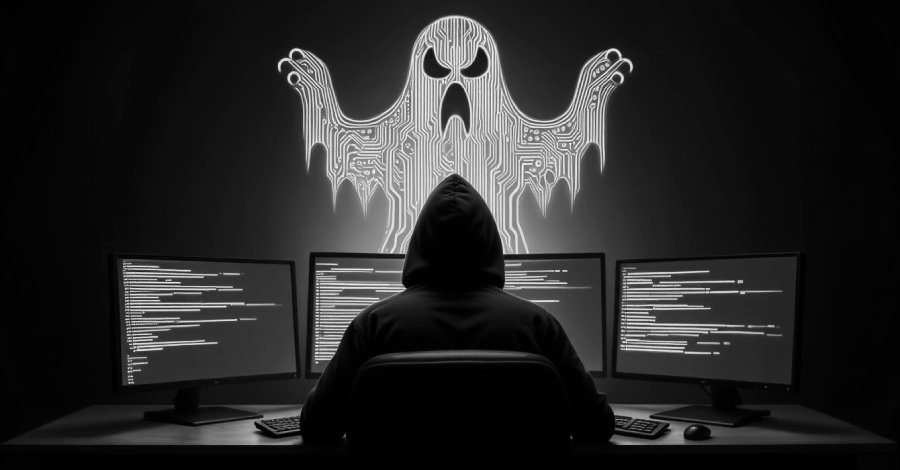
Threat actors linked to North Korea are launching new malware attacks, specifically on Web3 and blockchain sectors, through campaigns called GhostCall and GhostHire. Researchers from Kaspersky indicate that these operations are associated with the Lazarus Group sub-cluster, BlueNoroff. GhostCall primarily targets macOS devices of executives at tech and venture capital firms. Attackers use direct messaging on Telegram to invite potential victims to fake investment meetings.

Once the victim joins a fraudulent call, they face a fake Zoom page. The page prompts the user to download a malicious update under the guise of fixing connection issues. If victims comply, the malware compromises their system, downloading harmful scripts that initiate multiple infection chains. These chains execute further malware, bypassing security measures. Notably, the attackers have adapted their methods, transitioning from Zoom to Microsoft Teams as platforms for their deceptive schemes.

The GhostHire Campaign

In contrast, the GhostHire campaign focuses on enticing Web3 developers. Attackers approach targets on Telegram, presenting fake job offers linked to fabricated LinkedIn profiles. To build trust, they direct victims to a Telegram bot that impersonates a legitimate company. Subsequently, victims receive a ZIP file containing a seemingly harmless coding task, pressuring them to complete it quickly.

Once executed, the innocent-looking project downloads malicious components tailored to the victim’s operating system. This technique significantly increases the likelihood of infection. Research reveals that these actors systematically target sensitive data across various platforms, highlighting an alarming evolution in their approach. The integration of generative AI into their operations has enhanced the speed and efficiency of malware development, marking a new frontier in cyber threats.

Discover More Technology Insights

Explore the future of technology with our detailed insights on Artificial Intelligence.

Explore past and present digital transformations on the Internet Archive.

DataProtection-V1

Share. Facebook Twitter Pinterest LinkedIn Tumblr Email
Previous ArticleMyanmar Scam HQ Raided: Buildings Destroyed, Suspects Cross into Thailand
Next Article F5 Reports Limited Impact from Prolonged Nation-State Cyberattack
Avatar photo
Staff Writer
  • Website

John Marcelli is a staff writer for the CISO Brief, with a passion for exploring and writing about the ever-evolving world of technology. From emerging trends to in-depth reviews of the latest gadgets, John stays at the forefront of innovation, delivering engaging content that informs and inspires readers. When he's not writing, he enjoys experimenting with new tech tools and diving into the digital landscape.

Comments are closed.

Latest Posts

Hackers Breach 233 Laravel-Lang Packages in 700 GitHub Repos

May 23, 2026

Unveiling 10,000+ Zero-Day Threats in Project Glasswing with Anthropic’s Claude Mythos Preview

May 23, 2026

Russian Threat Groups Exploit RDP, VPN, Supply Chains, and Social Engineering for Initial Access

May 22, 2026

Hackers Exploit Six-Layer Persistence to Maintain Access on Compromised FreePBX Systems

May 22, 2026
Don't Miss

Subscribe to Updates

Subscribe to our newsletter and never miss our latest news

Subscribe my Newsletter for New Posts & tips Let's stay updated!

Recent Posts

  • LiteSpeed Plugin Vulnerability Enables Root-Level Script Execution
  • Hackers Breach 233 Laravel-Lang Packages in 700 GitHub Repos
  • Stack Buffer Overflow Exploits via String Manipulation
  • Unveiling 10,000+ Zero-Day Threats in Project Glasswing with Anthropic’s Claude Mythos Preview
  • DND advances AI and cyber defenses amid US cooperation
About Us
About Us

Welcome to The CISO Brief, your trusted source for the latest news, expert insights, and developments in the cybersecurity world.

In today’s rapidly evolving digital landscape, staying informed about cyber threats, innovations, and industry trends is critical for professionals and organizations alike. At The CISO Brief, we are committed to providing timely, accurate, and insightful content that helps security leaders navigate the complexities of cybersecurity.

Facebook X (Twitter) Pinterest YouTube WhatsApp
Our Picks

LiteSpeed Plugin Vulnerability Enables Root-Level Script Execution

May 23, 2026

Hackers Breach 233 Laravel-Lang Packages in 700 GitHub Repos

May 23, 2026

Stack Buffer Overflow Exploits via String Manipulation

May 23, 2026
Most Popular

Protecting MCP Security: Defeating Prompt Injection & Tool Poisoning

January 30, 202632 Views

Unlock the Power of Free WormGPT: Harnessing DeepSeek, Gemini, and Kimi-K2 AI Models

November 27, 202530 Views

The New Face of DDoS is Impacted by AI

August 4, 202528 Views

Archives

  • May 2026
  • April 2026
  • March 2026
  • February 2026
  • January 2026
  • December 2025
  • November 2025
  • October 2025
  • September 2025
  • August 2025
  • July 2025
  • June 2025

Categories

  • Compliance
  • Cyber Updates
  • Cybercrime and Ransomware
  • Editor's pick
  • Emerging Tech
  • Events
  • Featured
  • Insights
  • Most Read
  • Threat Intelligence
  • Uncategorized
© 2026 thecisobrief. Designed by thecisobrief.
  • Home
  • About Us
  • Advertise with Us
  • Contact Us
  • DMCA
  • Privacy Policy
  • Terms & Conditions

Type above and press Enter to search. Press Esc to cancel.