

Fast Facts
- Drones pose significant threats to critical infrastructure, including unauthorized surveillance, physical sabotage, and cyberattacks, while also offering operational benefits like real-time monitoring.
- Recent incidents involve drones being used to facilitate thefts at water treatment facilities, highlighting the security risks; global cyberattacks have targeted water infrastructure, demonstrating escalating threats.
- Malicious actors could exploit high-resolution drone data to identify vulnerabilities, enabling physical sabotage or chemical threats, especially amid heightened conflict-related risks.
- Mitigation strategies include anti-drone systems, restricted airspace, employee training, and new regulations on drone operations, with industry standards emphasizing secure system design and cybersecurity frameworks.
The Core Issue
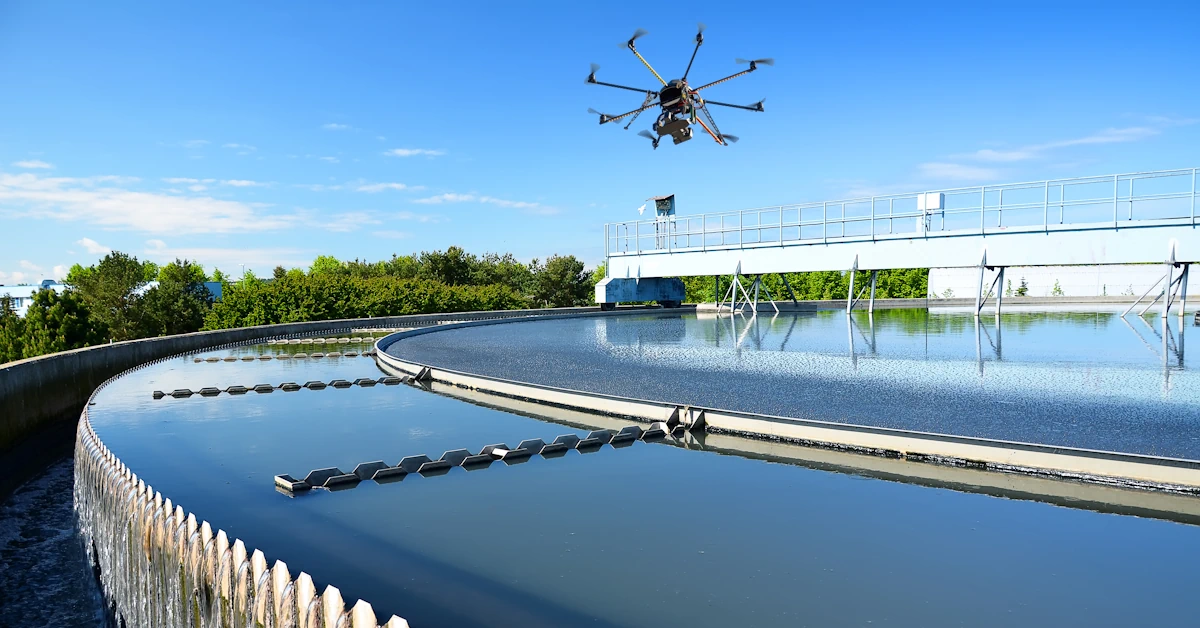
The story highlights mounting concerns over the potential threats posed by drones (UASs) to critical infrastructure, especially water utilities. Recognized by the EPA and WaterISAC, these remotely piloted devices, which are increasingly used for infrastructure inspections, can be exploited by malicious actors to conduct surveillance, sabotage, or cyberattacks. A recent incident underscores this danger: a large water utility experienced a burglary where thieves stole equipment after drones were seen flying above the facility, possibly aiding their entry. Similar threats are surfacing internationally, as seen in Norway, where hackers remotely manipulated a dam to unsettle downstream regions, and Poland, which thwarted a cyberattack targeting its water supply, underscoring how adversaries leverage cyber and physical tools to threaten public safety. The situation is compounded by relaxed drone regulations—like DJI’s removal of geofencing restrictions—making unauthorized drone flights more feasible and risky. Agencies are urging infrastructure operators to bolster defenses through heightened surveillance, counter-drone systems, and cybersecurity measures aligned with NIST standards, emphasizing that interconnected sectors like water and energy must coordinate to prevent cascading failures in this evolving threat landscape.
Risks Involved
UASs (drones) pose significant cybersecurity and physical threats to critical infrastructure, such as water utilities, by enabling reconnaissance, sabotage, and physical attacks, often facilitated by their accessibility and technological capabilities. Malicious actors can leverage drones equipped with cameras or payloads to identify vulnerabilities, monitor security measures, or directly damage facilities, as evidenced by incidents involving theft and attempted cyber-physical breaches. Recent global cyberattacks, including a ransomware-induced dam control loss in Norway and a thwarted cyberattack on Poland’s water supply, highlight the increasing danger of remote cyber exploits targeting critical infrastructure. Drones’ potential to carry explosives or chemicals and crash into vital assets exacerbates physical attack risks, especially as new policies relax restrictions, like DJI’s removal of geofencing in the U.S. This evolving threat landscape demands enhanced countermeasures—such as anti-drone systems, stricter airspace management, and cybersecurity standards aligned with NIST frameworks—to ensure resilience and prevent cascading failures across interconnected sectors, which are increasingly vulnerable amidst the growing use and misuse of drone technology.
Possible Action Plan
Ensuring quick and effective responses to emerging drone threats and cyber risks is crucial for utilities, especially with the rapidly shifting security landscape. Rapid remediation can prevent catastrophic failures, protect critical infrastructure, and maintain public safety.
Preventive Measures
- Conduct comprehensive risk assessments to identify vulnerabilities.
- Implement advanced cybersecurity protocols, including firewalls, intrusion detection systems, and regular patching.
- Deploy drone detection and mitigation technology around key facilities.
- Enhance employee training to recognize and respond to cyber and drone threats.
Response Strategies
- Establish clear incident response plans tailored to drone and cyber incidents.
- Develop communication protocols with law enforcement and cybersecurity agencies.
- Regularly test and update emergency readiness procedures.
- Maintain real-time monitoring systems for early threat detection.
Recovery Efforts
- Quickly isolate affected systems to prevent further damage.
- Collaborate with cybersecurity experts for forensic analysis and containment.
- Restore affected services using backup systems.
- Review incidents to improve future resilience and response plans.
Advance Your Cyber Knowledge
Stay informed on the latest Threat Intelligence and Cyberattacks.
Explore engineering-led approaches to digital security at IEEE Cybersecurity.
Disclaimer: The information provided may not always be accurate or up to date. Please do your own research, as the cybersecurity landscape evolves rapidly. Intended for secondary references purposes only.
Cyberattacks-V1
