
Close Menu
  • Home
  • Cybercrime and Ransomware
  • Emerging Tech
  • Threat Intelligence
  • Expert Insights
  • Careers and Learning
  • Compliance

Subscribe to Updates

Subscribe to our newsletter and never miss our latest news

Subscribe my Newsletter for New Posts & tips Let's stay updated!

What's Hot

Macfinger ClickFix exploits browser vulnerabilities via phishing.

September 23, 2026

Is AI the Solution to Your Overburdened Security Team?

September 23, 2026

Apple Alerts: 110 Countries at Risk of Spyware Attacks

September 22, 2026
Facebook X (Twitter) Instagram
The CISO Brief
  • Home
  • Cybercrime and Ransomware
  • Emerging Tech
  • Threat Intelligence
  • Expert Insights
  • Careers and Learning
  • Compliance
Home » Utilities Urged: Beware of Drone Threats and Rising Cyber Risks
Cybercrime and Ransomware

Utilities Urged: Beware of Drone Threats and Rising Cyber Risks

Staff WriterBy Staff WriterAugust 18, 2025No Comments4 Mins Read11 Views
Facebook Twitter Pinterest LinkedIn Tumblr Email
Share
Facebook Twitter LinkedIn Pinterest WhatsApp Email

Fast Facts

  1. Drones pose significant threats to critical infrastructure, including unauthorized surveillance, physical sabotage, and cyberattacks, while also offering operational benefits like real-time monitoring.
  2. Recent incidents involve drones being used to facilitate thefts at water treatment facilities, highlighting the security risks; global cyberattacks have targeted water infrastructure, demonstrating escalating threats.
  3. Malicious actors could exploit high-resolution drone data to identify vulnerabilities, enabling physical sabotage or chemical threats, especially amid heightened conflict-related risks.
  4. Mitigation strategies include anti-drone systems, restricted airspace, employee training, and new regulations on drone operations, with industry standards emphasizing secure system design and cybersecurity frameworks.

The Core Issue

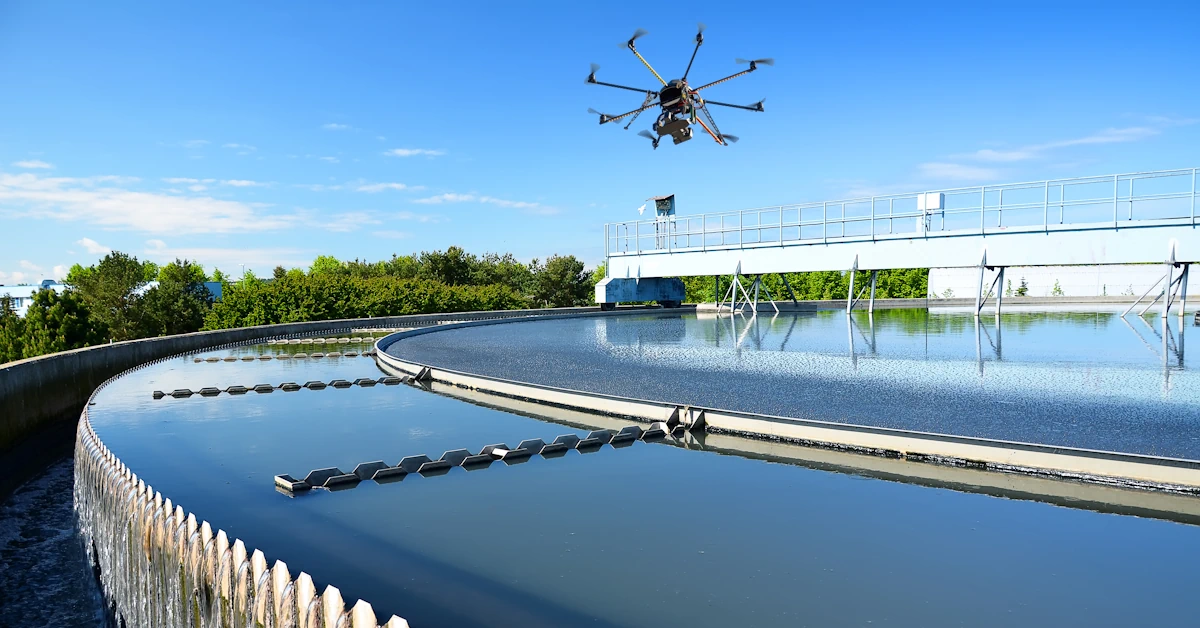
The story highlights mounting concerns over the potential threats posed by drones (UASs) to critical infrastructure, especially water utilities. Recognized by the EPA and WaterISAC, these remotely piloted devices, which are increasingly used for infrastructure inspections, can be exploited by malicious actors to conduct surveillance, sabotage, or cyberattacks. A recent incident underscores this danger: a large water utility experienced a burglary where thieves stole equipment after drones were seen flying above the facility, possibly aiding their entry. Similar threats are surfacing internationally, as seen in Norway, where hackers remotely manipulated a dam to unsettle downstream regions, and Poland, which thwarted a cyberattack targeting its water supply, underscoring how adversaries leverage cyber and physical tools to threaten public safety. The situation is compounded by relaxed drone regulations—like DJI’s removal of geofencing restrictions—making unauthorized drone flights more feasible and risky. Agencies are urging infrastructure operators to bolster defenses through heightened surveillance, counter-drone systems, and cybersecurity measures aligned with NIST standards, emphasizing that interconnected sectors like water and energy must coordinate to prevent cascading failures in this evolving threat landscape.

Risks Involved

UASs (drones) pose significant cybersecurity and physical threats to critical infrastructure, such as water utilities, by enabling reconnaissance, sabotage, and physical attacks, often facilitated by their accessibility and technological capabilities. Malicious actors can leverage drones equipped with cameras or payloads to identify vulnerabilities, monitor security measures, or directly damage facilities, as evidenced by incidents involving theft and attempted cyber-physical breaches. Recent global cyberattacks, including a ransomware-induced dam control loss in Norway and a thwarted cyberattack on Poland’s water supply, highlight the increasing danger of remote cyber exploits targeting critical infrastructure. Drones’ potential to carry explosives or chemicals and crash into vital assets exacerbates physical attack risks, especially as new policies relax restrictions, like DJI’s removal of geofencing in the U.S. This evolving threat landscape demands enhanced countermeasures—such as anti-drone systems, stricter airspace management, and cybersecurity standards aligned with NIST frameworks—to ensure resilience and prevent cascading failures across interconnected sectors, which are increasingly vulnerable amidst the growing use and misuse of drone technology.

Possible Action Plan

Ensuring quick and effective responses to emerging drone threats and cyber risks is crucial for utilities, especially with the rapidly shifting security landscape. Rapid remediation can prevent catastrophic failures, protect critical infrastructure, and maintain public safety.

Preventive Measures

  • Conduct comprehensive risk assessments to identify vulnerabilities.
  • Implement advanced cybersecurity protocols, including firewalls, intrusion detection systems, and regular patching.
  • Deploy drone detection and mitigation technology around key facilities.
  • Enhance employee training to recognize and respond to cyber and drone threats.

Response Strategies

  • Establish clear incident response plans tailored to drone and cyber incidents.
  • Develop communication protocols with law enforcement and cybersecurity agencies.
  • Regularly test and update emergency readiness procedures.
  • Maintain real-time monitoring systems for early threat detection.

Recovery Efforts

  • Quickly isolate affected systems to prevent further damage.
  • Collaborate with cybersecurity experts for forensic analysis and containment.
  • Restore affected services using backup systems.
  • Review incidents to improve future resilience and response plans.

Advance Your Cyber Knowledge

Stay informed on the latest Threat Intelligence and Cyberattacks.

Explore engineering-led approaches to digital security at IEEE Cybersecurity.

Disclaimer: The information provided may not always be accurate or up to date. Please do your own research, as the cybersecurity landscape evolves rapidly. Intended for secondary references purposes only.

Cyberattacks-V1

CISO Update critical infrastructure cyber attacks cyber threats Cybersecurity drone EPA MX1 risk landscape security threats threat landscape UAS utilities water systems WaterISAC
Share. Facebook Twitter Pinterest LinkedIn Tumblr Email
Previous ArticleCyber Attack Confirmed: Hackers Breach Internal IT Systems
Next Article Unveiling AI’s Hidden Security Risks
Avatar photo
Staff Writer
  • Website

John Marcelli is a staff writer for the CISO Brief, with a passion for exploring and writing about the ever-evolving world of technology. From emerging trends to in-depth reviews of the latest gadgets, John stays at the forefront of innovation, delivering engaging content that informs and inspires readers. When he's not writing, he enjoys experimenting with new tech tools and diving into the digital landscape.

Related Posts

Macfinger ClickFix exploits browser vulnerabilities via phishing.

September 23, 2026

Is AI the Solution to Your Overburdened Security Team?

September 23, 2026

Apple Alerts: 110 Countries at Risk of Spyware Attacks

September 22, 2026

Comments are closed.

Latest Posts

Apple Alerts: 110 Countries at Risk of Spyware Attacks

September 22, 2026

Urgent: Exploitation of SAP Commerce Cloud CVE-2026-58231 Sparks Immediate Threat

September 19, 2026

Suspected China-Linked Group Exploits VMware Flaw to Launch Babuk Ransomware

September 16, 2026

CISA Flags Critical Ray Flaw for Browser-Based RCE Exploits

September 13, 2026
Don't Miss

Macfinger ClickFix exploits browser vulnerabilities via phishing.

By Staff WriterSeptember 23, 2026

Fast Facts The Macfinger ClickFix campaign injects malicious scripts into legitimate websites, leading to fake…

Is AI the Solution to Your Overburdened Security Team?

September 23, 2026

Apple Alerts: 110 Countries at Risk of Spyware Attacks

September 22, 2026

Subscribe to Updates

Subscribe to our newsletter and never miss our latest news

Subscribe my Newsletter for New Posts & tips Let's stay updated!

Recent Posts

  • Macfinger ClickFix exploits browser vulnerabilities via phishing.
  • Is AI the Solution to Your Overburdened Security Team?
  • Apple Alerts: 110 Countries at Risk of Spyware Attacks
  • Malicious npm Package Exfiltrates Credentials via Twilio Probe
  • Shai-Hulud Attack Crashes CrowdSec’s GitHub Data
About Us
About Us

Welcome to The CISO Brief, your trusted source for the latest news, expert insights, and developments in the cybersecurity world.

In today’s rapidly evolving digital landscape, staying informed about cyber threats, innovations, and industry trends is critical for professionals and organizations alike. At The CISO Brief, we are committed to providing timely, accurate, and insightful content that helps security leaders navigate the complexities of cybersecurity.

Facebook X (Twitter) Pinterest YouTube WhatsApp
Our Picks

Macfinger ClickFix exploits browser vulnerabilities via phishing.

September 23, 2026

Is AI the Solution to Your Overburdened Security Team?

September 23, 2026

Apple Alerts: 110 Countries at Risk of Spyware Attacks

September 22, 2026
Most Popular

Gefährliche Angriffe: Wie Cyberkriminelle Ihre Identität angreifen

January 29, 2026206 Views

CISA Alerts: Critical Vulnerability in Splunk Enterprise Under Active Attack

June 19, 2026204 Views

Salesforce Disables Klue App After Data Breach from Token Abuse

June 19, 2026202 Views

Archives

  • September 2026
  • August 2026
  • July 2026
  • June 2026
  • May 2026
  • April 2026
  • March 2026
  • February 2026
  • January 2026
  • December 2025
  • November 2025
  • October 2025
  • September 2025
  • August 2025
  • July 2025
  • June 2025

Categories

  • Compliance
  • Cyber Updates
  • Cybercrime and Ransomware
  • Editor's pick
  • Emerging Tech
  • Events
  • Featured
  • Insights
  • Most Read
  • Threat Intelligence
  • Uncategorized
© 2026 thecisobrief. Designed by thecisobrief.
  • Home
  • About Us
  • Advertise with Us
  • Contact Us
  • DMCA
  • Privacy Policy
  • Terms & Conditions

Type above and press Enter to search. Press Esc to cancel.