
Close Menu
  • Home
  • Cybercrime and Ransomware
  • Emerging Tech
  • Threat Intelligence
  • Expert Insights
  • Careers and Learning
  • Compliance

Subscribe to Updates

Subscribe to our newsletter and never miss our latest news

Subscribe my Newsletter for New Posts & tips Let's stay updated!

What's Hot

Matanbuchus 3.0 Returns with ClickFix and Silent MSI to Deploy AstarionRAT

February 18, 2026

Rise of Sophisticated Carding-as-a-Service Market Fuels Credit Card Fraud

February 18, 2026

Torq Hires Ex-Virgin Atlantic CISO to Lead AI-Driven Security Operations

February 18, 2026
Facebook X (Twitter) Instagram
The CISO Brief
  • Home
  • Cybercrime and Ransomware
  • Emerging Tech
  • Threat Intelligence
  • Expert Insights
  • Careers and Learning
  • Compliance
Home » FCC’s IoT Security Program at Risk Amid Investigation
Uncategorized

FCC’s IoT Security Program at Risk Amid Investigation

Staff WriterBy Staff WriterSeptember 2, 2025No Comments3 Mins Read3 Views
Facebook Twitter Pinterest LinkedIn Tumblr Email
Share
Facebook Twitter LinkedIn Pinterest WhatsApp Email

Summary Points

  1. Cyber Trust Mark Initiative: The U.S. government aims to establish a cybersecurity seal for Internet-of-Things devices to enhance security and protect consumers from cyber threats.

  2. FCC Investigation: An ongoing FCC probe into UL Solutions’ ties to China threatens to delay the program, causing concern among experts about the potential impact on IoT security.

  3. Industry Impact: The prolonged investigation may deter vendors from submitting products for testing, undermining the program’s objective of improving device security and consumer confidence.

  4. Urgent Solutions Needed: Experts suggest the FCC must resolve its concerns about UL promptly to restore momentum and encourage industry participation in the Cyber Trust Mark program.

Balancing Security and Scrutiny

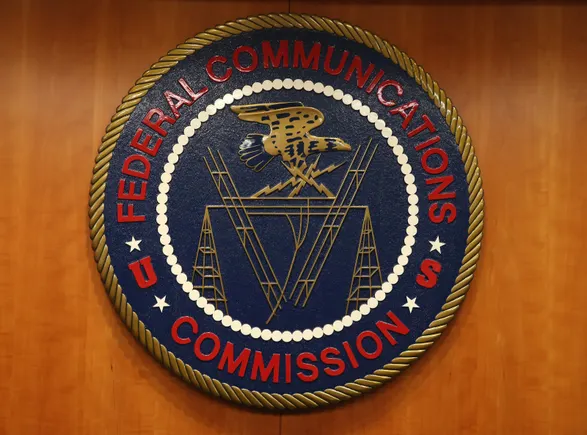
The U.S. Cyber Trust Mark program aims to revolutionize Internet-of-Things (IoT) security. This initiative, launched by the FCC, seeks to create a certification process for connected devices, promising enhanced security standards. Many view it as essential to preventing cyberattacks that have increasingly targeted vulnerable IoT devices. However, the very agency tasked with overseeing the program now poses a significant threat to its success. An ongoing FCC investigation into UL Solutions, the chosen administrator, raises concerns about the future of this critical program.

As the investigation continues, uncertainty casts a shadow over the Cyber Trust Mark. Cybersecurity experts worry that prolonged scrutiny might delay implementation. The longer the investigation persists, the higher the risk for consumers, especially those relying on connected devices in business settings. Industry stakeholders express frustration, noting that delays could discourage vendors from participating, ultimately limiting the program’s efficacy. A successful rollout depends on widespread industry adoption, and investigatory clouds hinder this momentum.

Navigating the Path Forward

To restore confidence, the FCC must act swiftly. One option involves allowing UL to conduct testing outside China, mitigating national security concerns. Alternatively, the FCC could seek assurances from UL regarding its handling of tests, ensuring transparency. Addressing these issues becomes critical, as major companies await guidance on submitting products for certification.

In addition to security concerns, the Cyber Trust Mark holds the potential to enhance consumer confidence in IoT devices. With Europe tightening regulations around cybersecurity, the U.S. must adapt to remain competitive. The future of this program not only affects the tech industry but also serves as a crucial step in securing a safer digital landscape for everyone. The FCC’s next moves will significantly shape the trajectory of connected device security in the United States.

Discover More Technology Insights

Explore the future of technology with our detailed insights on Artificial Intelligence.

Explore past and present digital transformations on the Internet Archive.

Cybersecurity-V1

Share. Facebook Twitter Pinterest LinkedIn Tumblr Email
Previous ArticleVaronis Acquires AI Email Security Leader SlashNext
Next Article Supply Chain Attacks Hit Palo Alto Networks and Zscaler Customers
Avatar photo
Staff Writer
  • Website

John Marcelli is a staff writer for the CISO Brief, with a passion for exploring and writing about the ever-evolving world of technology. From emerging trends to in-depth reviews of the latest gadgets, John stays at the forefront of innovation, delivering engaging content that informs and inspires readers. When he's not writing, he enjoys experimenting with new tech tools and diving into the digital landscape.

Related Posts

RiskRubric.ai Unveils Groundbreaking AI Model Risk Leaderboard

September 19, 2025

RegScale Secures $30M+ to Transform Cyber GRC

September 19, 2025

Cybersecurity Leaders Brace for Surge in Nation-State Attacks by 2025

September 19, 2025

Comments are closed.

Latest Posts

Matanbuchus 3.0 Returns with ClickFix and Silent MSI to Deploy AstarionRAT

February 18, 2026

Rise of Sophisticated Carding-as-a-Service Market Fuels Credit Card Fraud

February 18, 2026

Polish Authorities Capture Alleged Phobos Ransomware Collaborator

February 17, 2026

0APT Ransomware Group Boasts 200 Victims but Fails to Deliver Actual Data

February 17, 2026
Don't Miss

RiskRubric.ai Unveils Groundbreaking AI Model Risk Leaderboard

By Staff WriterSeptember 19, 2025

Essential Insights Launch of RiskRubric.ai: The Cloud Security Alliance and partners have introduced RiskRubric.ai, the…

RegScale Secures $30M+ to Transform Cyber GRC

September 19, 2025

Cybersecurity Leaders Brace for Surge in Nation-State Attacks by 2025

September 19, 2025

Subscribe to Updates

Subscribe to our newsletter and never miss our latest news

Subscribe my Newsletter for New Posts & tips Let's stay updated!

Recent Posts

  • Matanbuchus 3.0 Returns with ClickFix and Silent MSI to Deploy AstarionRAT
  • Rise of Sophisticated Carding-as-a-Service Market Fuels Credit Card Fraud
  • Torq Hires Ex-Virgin Atlantic CISO to Lead AI-Driven Security Operations
  • Silent Invasion: Malware Targets Android Devices Through Supply Chain Attacks
  • Polish Authorities Capture Alleged Phobos Ransomware Collaborator
About Us
About Us

Welcome to The CISO Brief, your trusted source for the latest news, expert insights, and developments in the cybersecurity world.

In today’s rapidly evolving digital landscape, staying informed about cyber threats, innovations, and industry trends is critical for professionals and organizations alike. At The CISO Brief, we are committed to providing timely, accurate, and insightful content that helps security leaders navigate the complexities of cybersecurity.

Facebook X (Twitter) Pinterest YouTube WhatsApp
Our Picks

Matanbuchus 3.0 Returns with ClickFix and Silent MSI to Deploy AstarionRAT

February 18, 2026

Rise of Sophisticated Carding-as-a-Service Market Fuels Credit Card Fraud

February 18, 2026

Torq Hires Ex-Virgin Atlantic CISO to Lead AI-Driven Security Operations

February 18, 2026
Most Popular

Nokia Alerts Telecoms to Rising Stealth Attacks, DDoS Surge, and Cryptography Pressures

October 8, 20259 Views

Cyberattack Cripples 34 Devices in Telecoms Using LinkedIn Lures & MINIBIKE Malware

September 19, 20259 Views

Tonic Security Secures $7 Million to Transform Cyber Risk Reduction

July 28, 20259 Views

Archives

  • February 2026
  • January 2026
  • December 2025
  • November 2025
  • October 2025
  • September 2025
  • August 2025
  • July 2025
  • June 2025

Categories

  • Compliance
  • Cyber Updates
  • Cybercrime and Ransomware
  • Editor's pick
  • Emerging Tech
  • Events
  • Featured
  • Insights
  • Threat Intelligence
  • Uncategorized
© 2026 thecisobrief. Designed by thecisobrief.
  • Home
  • About Us
  • Advertise with Us
  • Contact Us
  • DMCA
  • Privacy Policy
  • Terms & Conditions

Type above and press Enter to search. Press Esc to cancel.