
Close Menu
  • Home
  • Cybercrime and Ransomware
  • Emerging Tech
  • Threat Intelligence
  • Expert Insights
  • Careers and Learning
  • Compliance

Subscribe to Updates

Subscribe to our newsletter and never miss our latest news

Subscribe my Newsletter for New Posts & tips Let's stay updated!

What's Hot

Emerging APT tactics target zero-day vulnerabilities via social engineering

September 2, 2026

Operation QUICSILVER Strikes Myanmar Government and IT with Backdoor Attack

September 1, 2026

Inside the Rise: How Ransomware Groups Are Turning to Inner Recruits

September 1, 2026
Facebook X (Twitter) Instagram
The CISO Brief
  • Home
  • Cybercrime and Ransomware
  • Emerging Tech
  • Threat Intelligence
  • Expert Insights
  • Careers and Learning
  • Compliance
Home » Severe Security Flaw: Supermicro BMC Bugs Bypass Root of Trust!
Cyber Updates

Severe Security Flaw: Supermicro BMC Bugs Bypass Root of Trust!

Staff WriterBy Staff WriterSeptember 24, 2025Updated:October 25, 2025No Comments2 Mins Read10 Views
Facebook Twitter Pinterest LinkedIn Tumblr Email
Share
Facebook Twitter LinkedIn Pinterest WhatsApp Email

Essential Insights

  1. Vulnerability Overview: Two medium-severity vulnerabilities in Supermicro BMC firmware (CVE-2025-7937, CVE-2025-6198) allow attackers to bypass cryptographic signature checks, enabling the installation of malicious firmware.

  2. Exploitation Mechanism: Attackers can exploit these vulnerabilities by redirecting firmware update processes to fake tables in unsigned regions, thus compromising the integrity of the BMC system and main server OS.

  3. Ineffectiveness of Previous Fixes: The discovered vulnerabilities reveal inadequacies in prior fix efforts for related issues (CVE-2024-10237), allowing potential manipulation of firmware validation processes.

  4. Security Recommendations: Experts advise against reusing signing keys across products and recommend key rotation to mitigate risks of widespread exploitation following key leaks, enhancing overall firmware security.

New Vulnerabilities in Supermicro BMC Firmware

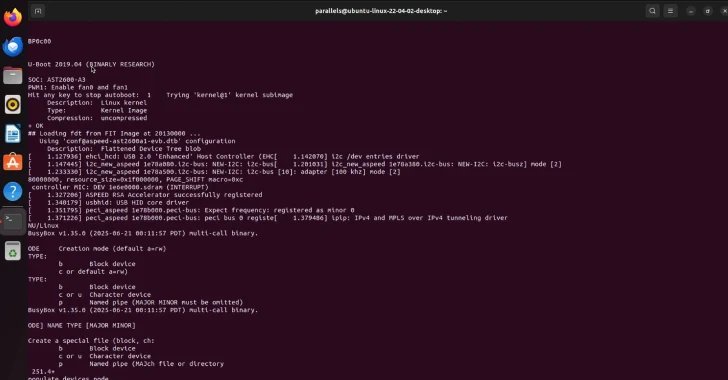
Cybersecurity researchers recently identified two significant vulnerabilities in Supermicro Baseboard Management Controller (BMC) firmware. These flaws allow attackers to bypass essential security protocols and upload malicious firmware. Particularly, the vulnerabilities exploit improper verification of cryptographic signatures. The first vulnerability, CVE-2025-7937, enables a crafted firmware image to evade the Root of Trust (RoT) verification. Similarly, CVE-2025-6198 allows attackers to bypass the Signing Table verification process.

The implications are grave. Both vulnerabilities pose medium severity risks, with CVSS scores of 6.6 and 6.4, respectively. As a result, attackers could manipulate the firmware update process. They might redirect the program to a counterfeit signing table or a fake “fwmap” table, ultimately gaining control over both the BMC system and the host operating system.

Addressing Security Flaws and Best Practices

The findings highlight critical weaknesses in the firmware validation process. Researchers from Binarly, who reported these vulnerabilities, noted that the design of the firmware verification process is not foolproof. They emphasized that malicious actors could modify key elements of the firmware update without triggering alerts. This situation raises serious concerns about the efficacy of existing security measures.

Experts urge manufacturers to adopt better practices, such as regularly updating cryptographic keys and fortifying firmware validation. They underscore that relying on a single signing key risks widespread vulnerabilities across devices. Failure to rectify these issues could lead to far-reaching consequences in the realm of cybersecurity, affecting countless systems reliant on Supermicro’s technology. Thus, addressing these flaws proves crucial for enhancing overall firmware security.

Discover More Technology Insights

Learn how the Internet of Things (IoT) is transforming everyday life.

Stay inspired by the vast knowledge available on Wikipedia.

DataProtection-V1

Share. Facebook Twitter Pinterest LinkedIn Tumblr Email
Previous ArticleShadowV2: Next-Gen DDoS Botnet Targets Cloud Workloads
Next Article QR Codes Turn into Malware Delivery Vehicles in New Attack Technique
Avatar photo
Staff Writer
  • Website

John Marcelli is a staff writer for the CISO Brief, with a passion for exploring and writing about the ever-evolving world of technology. From emerging trends to in-depth reviews of the latest gadgets, John stays at the forefront of innovation, delivering engaging content that informs and inspires readers. When he's not writing, he enjoys experimenting with new tech tools and diving into the digital landscape.

Related Posts

Bridging the Critical Confidence Gap in Enterprise AI Security

June 16, 2026

Legal Industry VPNs: Falling to Modern Threats

June 15, 2026

Closing the Gap: The Rising Threat of Third-Party Privileged Access

June 14, 2026

Comments are closed.

Latest Posts

Operation QUICSILVER Strikes Myanmar Government and IT with Backdoor Attack

September 1, 2026

Mirage2FA Surge: 4,500 US & EU Companies Under Attack via Microsoft 365 Logins

August 29, 2026

Active Gitea RCE Exploitation Delivers Miner-Like Payload

August 26, 2026

New Agent Data Injection Attack Traps AI Agents Into Mischief

August 20, 2026
Don't Miss

Bridging the Critical Confidence Gap in Enterprise AI Security

By Staff WriterJune 16, 2026

Summary Points Current AI security testing methods, like tabletop exercises, fail to reveal how AI…

Legal Industry VPNs: Falling to Modern Threats

June 15, 2026

Closing the Gap: The Rising Threat of Third-Party Privileged Access

June 14, 2026

Subscribe to Updates

Subscribe to our newsletter and never miss our latest news

Subscribe my Newsletter for New Posts & tips Let's stay updated!

Recent Posts

  • Emerging APT tactics target zero-day vulnerabilities via social engineering
  • Operation QUICSILVER Strikes Myanmar Government and IT with Backdoor Attack
  • Inside the Rise: How Ransomware Groups Are Turning to Inner Recruits
  • Emerging Ransomware Attacks Targeting Critical Infrastructure Networks
  • TerminalFix Uses Fake CAPTCHAs to Hack Windows PCs
About Us
About Us

Welcome to The CISO Brief, your trusted source for the latest news, expert insights, and developments in the cybersecurity world.

In today’s rapidly evolving digital landscape, staying informed about cyber threats, innovations, and industry trends is critical for professionals and organizations alike. At The CISO Brief, we are committed to providing timely, accurate, and insightful content that helps security leaders navigate the complexities of cybersecurity.

Facebook X (Twitter) Pinterest YouTube WhatsApp
Our Picks

Emerging APT tactics target zero-day vulnerabilities via social engineering

September 2, 2026

Operation QUICSILVER Strikes Myanmar Government and IT with Backdoor Attack

September 1, 2026

Inside the Rise: How Ransomware Groups Are Turning to Inner Recruits

September 1, 2026
Most Popular

CISA Alerts: Critical Vulnerability in Splunk Enterprise Under Active Attack

June 19, 2026145 Views

Salesforce Disables Klue App After Data Breach from Token Abuse

June 19, 2026142 Views

Gefährliche Angriffe: Wie Cyberkriminelle Ihre Identität angreifen

January 29, 2026140 Views

Archives

  • September 2026
  • August 2026
  • July 2026
  • June 2026
  • May 2026
  • April 2026
  • March 2026
  • February 2026
  • January 2026
  • December 2025
  • November 2025
  • October 2025
  • September 2025
  • August 2025
  • July 2025
  • June 2025

Categories

  • Compliance
  • Cyber Updates
  • Cybercrime and Ransomware
  • Editor's pick
  • Emerging Tech
  • Events
  • Featured
  • Insights
  • Most Read
  • Threat Intelligence
  • Uncategorized
© 2026 thecisobrief. Designed by thecisobrief.
  • Home
  • About Us
  • Advertise with Us
  • Contact Us
  • DMCA
  • Privacy Policy
  • Terms & Conditions

Type above and press Enter to search. Press Esc to cancel.