

Top Highlights
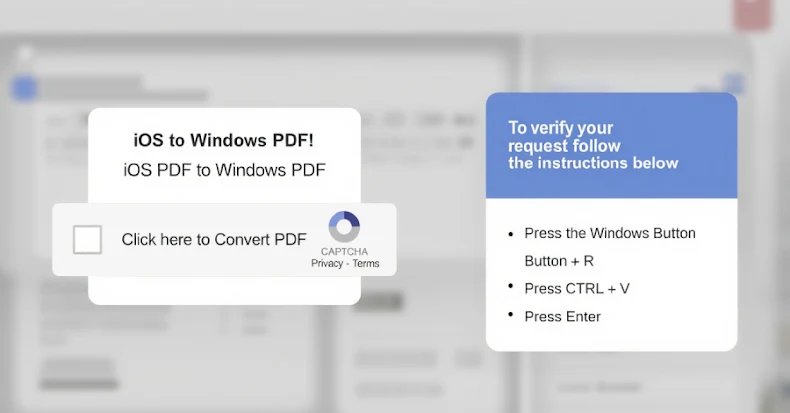
- Cybercriminal group TA585 conducts sophisticated phishing campaigns using IRS-themed lures, fake CAPTCHA overlays, and fake GitHub alerts to distribute the MonsterV2 malware, a versatile Remote Access Trojan (RAT) and stealer.
- TA585 operates its own entire attack infrastructure, managing delivery, infection, and malware deployment without third-party intermediaries, showcasing high-level sophistication.
- MonsterV2 can steal data, control infected systems remotely, act as a cryptocurrency clipper, and download additional payloads, all while evading detection through packing with SonicCrypt and anti-analysis checks.
- The malware is sold at $800/month (Standard) or $2,000/month (Enterprise), with features like privilege escalation, anti-debugging, and anti-sandbox measures, emphasizing its commercialized, targeted cybercrime operation.
Underlying Problem
Cybersecurity experts have uncovered a sophisticated threat actor named TA585, which has been conducting targeted phishing campaigns to distribute a powerful malware called MonsterV2. Unlike many cybercriminal groups that rely on third-party delivery services or rented infrastructure, TA585 manages its entire attack process independently, controlling both the delivery mechanisms and the malware itself. Their campaigns primarily exploit trusted platforms like the IRS-themed fake URLs, fake CAPTCHA overlays, and malicious JavaScript injections on legitimate websites to infect victims’ systems with MonsterV2—a versatile Remote Access Trojan (RAT) capable of stealing sensitive information, hijacking cryptocurrency transactions, and establishing remote control over infected computers. These operations have been marked by their complexity, incorporating web injections, social engineering tactics, and evasion techniques like anti-debugging and anti-sandbox checks to ensure infection success.
The threat actor’s financial model involves selling MonsterV2 on underground forums for monthly subscriptions, offering different versions with expanding functionalities—ranging from basic stealer capabilities to full remote control tools. The malware is packed with anti-analysis features to evade detection, and once activated, it communicates with its command-and-control servers to execute a range of malicious activities, including data theft, process manipulation, and payload deployment. The report, published by Proofpoint Threat Research, emphasizes that TA585’s well-structured operations and self-reliance demonstrate a high level of sophistication, posing a significant threat to targeted entities, especially within US-based contexts. The detailed analysis underscores the evolving landscape of cyber threats driven by organized, resourceful actors who continually adapt their techniques to evade detection and maximize impact.
Risk Summary
Cyber risks posed by sophisticated threat actors like TA585 significantly threaten organizational and personal security, primarily through malicious phishing campaigns, web injections, and social engineering tactics that deploy malware such as MonsterV2—a powerful Remote Access Trojan capable of stealing sensitive data, hijacking financial transactions, executing malicious commands, capturing screenshots, and establishing covert backdoors. These attacks exploit trusted platforms—using IRS-themed lures, fake CAPTCHA overlays, and bogus GitHub alerts—to bypass defenses and infect systems via PowerShell scripts, JavaScript injections, and social engineering, often avoiding detection with advanced obfuscation tools like SonicCrypt. The impact of such breaches is profound: data exfiltration, financial theft via clipboard hijacking, remote system control, and potential sabotage, which can lead to severe financial losses, reputational damage, and operational disruption, emphasizing the necessity for robust, multi-layered cybersecurity defenses and vigilant user awareness to mitigate these evolving threats.
Possible Actions
Addressing the threat posed by TA585’s MonsterV2 malware attack chain is critical for safeguarding digital infrastructure, preventing data breaches, and maintaining organizational trust. Rapid and effective remediation minimizes the window of vulnerability, reduces potential damage, and ensures the continuity of operations.
Mitigation Strategies
-
Isolate Infected Systems
-
Disable Malicious APIs
-
Apply Security Patches
-
Conduct Forensic Analysis
-
Update Threat Signatures
-
Strengthen Access Controls
- Educate Employees
Timely actions not only contain the attack but also diminish the likelihood of future exploitation.
Continue Your Cyber Journey
Discover cutting-edge developments in Emerging Tech and industry Insights.
Explore engineering-led approaches to digital security at IEEE Cybersecurity.
Disclaimer: The information provided may not always be accurate or up to date. Please do your own research, as the cybersecurity landscape evolves rapidly. Intended for secondary references purposes only.
Cyberattacks-V1
