

Top Highlights
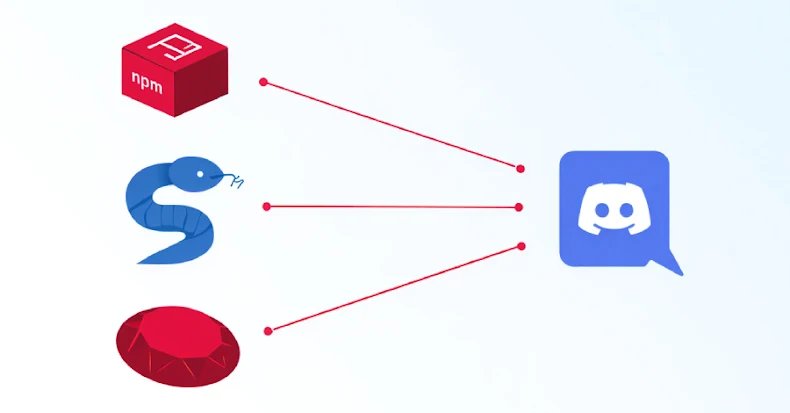
- Cybercriminals exploit Discord webhooks as covert command-and-control channels in malware delivery, leveraging their write-only nature to exfiltrate data discreetly from npm, Python, and Ruby packages.
- Malicious packages, like mysql-dumpdiscord and sqlcommenter_rails, use Discord webhooks to secretly steal sensitive info—such as config files, host data, and credentials—by integrating at install time or through build scripts.
- North Korean actors conduct large-scale campaigns using fake npm personas and counterfeit packages to target Web3, crypto, and blockchain developers, deploying malware like BeaverTail to harvest credentials and deploy further payloads.
- The ongoing operations resemble factory-style supply chain threats, emphasizing the challenge of takedown efforts, as actor infrastructure persists despite removal of malicious packages, highlighting a persistent, state-backed campaign.
Key Challenge
Cybersecurity researchers have uncovered a series of malicious activities involving the exploitation of Discord webhooks and compromised software packages within popular programming ecosystems like npm, Python, and Ruby. These malicious packages, used by threat actors—including those linked to North Korea—are designed to secretly exfiltrate sensitive data, such as configuration files, host information, and even login credentials, by exploiting Discord’s webhook feature, which allows posting messages without proper authentication. The attackers utilize these webhooks as command-and-control channels because they are cost-effective, difficult to detect, and blend seamlessly into legitimate code traffic, enabling sustained covert operations.
Simultaneously, a larger, organized campaign—referred to as “Contagious Interview”—has flooded the npm registry with over 180 fake packages, many of which are typosquats of genuine libraries. These packages are cleverly disguised to lure developers seeking jobs or collaborating on blockchain and cryptocurrency projects. Once integrated into these projects, the malicious packages serve to steal sensitive information and deploy further malware, revealing that the attackers operate like a well-structured factory, treating the npm ecosystem as a persistent entry point for cyber espionage and data theft. The reports, shared by cybersecurity firms and researchers, emphasize the increasing sophistication and scale of state-sponsored cyber operations targeting software supply chains.
What’s at Stake?
Cyber risks stemming from malicious activities in the digital sphere are increasingly sophisticated and pervasive, with recent threats leveraging popular platforms like Discord and npm to conceal and exfiltrate data, deploy malware, and infiltrate supply chains. Attackers exploit Discord webhooks—seen as an efficient, covert means to transmit stolen information—by embedding them in malicious packages across programming ecosystems, enabling stealthy data exfiltration of configurations, credentials, and sensitive host details. Additionally, North Korean threat actors are orchestrating expansive campaigns involving fake packages and typosquatted libraries designed to target cryptocurrency, blockchain, and tech-sector professionals; once installed, these malware deliver tools capable of harvesting personal data, credentials, and keystrokes, and downloading further payloads, effectively turning software repositories into thriving attack vectors. Such operations demonstrate a troubling evolution from isolated breaches to organized, factory-like campaigns that exploit supply chain vulnerabilities, heightening the risk of widespread security breaches, data theft, and operational disruptions across industries worldwide.
Possible Action Plan
Timely remediation of packages sending developer data to Discord channels, such as those found in npm, PyPI, and RubyGems, is crucial to safeguard sensitive information, protect user privacy, and maintain the integrity of software supply chains. Addressing these issues promptly minimizes security risks and prevents potential exploitation or data leaks.
Mitigation Strategies
1. Immediate Deletion
Remove compromised or malicious packages from package repositories.
2. Source Inspection
Conduct thorough code reviews and static analysis to identify and eliminate sensitive data leaks.
3. Access Controls
Restrict package publishing permissions to trusted maintainers and enforce strict authorization protocols.
4. Monitor Traffic
Implement network traffic monitoring tools to detect unauthorized data transmissions to external channels like Discord.
5. Package Verification
Use automated tools for signature verification and integrity checks before publishing.
6. Version Updates
Release patched versions of affected packages promptly, and communicate clearly with users.
7. Disable Webhooks
Identify and disable webhooks or integrations that facilitate data leaks to external services.
8. Security Audits
Regularly audit packages and dependencies for vulnerabilities or malicious code.
9. Developer Training
Educate developers on security best practices and potential risks associated with package publishing.
10. Incident Response
Establish a clear incident response plan to quickly address and contain any data leaks or breaches.
Advance Your Cyber Knowledge
Discover cutting-edge developments in Emerging Tech and industry Insights.
Access world-class cyber research and guidance from IEEE.
Disclaimer: The information provided may not always be accurate or up to date. Please do your own research, as the cybersecurity landscape evolves rapidly. Intended for secondary references purposes only.
Cyberattacks-V1
