
Close Menu
  • Home
  • Cybercrime and Ransomware
  • Emerging Tech
  • Threat Intelligence
  • Expert Insights
  • Careers and Learning
  • Compliance

Subscribe to Updates

Subscribe to our newsletter and never miss our latest news

Subscribe my Newsletter for New Posts & tips Let's stay updated!

What's Hot

Three Critical NGINX Flaws Get Emergency Fixes

October 20, 2026

Known Cosmos EVM Flaw Exploited Across Blockchains

October 19, 2026

The Context Layer Enterprise AI Agents Need

October 19, 2026
Facebook X (Twitter) Instagram
The CISO Brief
  • Home
  • Cybercrime and Ransomware
  • Emerging Tech
  • Threat Intelligence
  • Expert Insights
  • Careers and Learning
  • Compliance
Home » Datavant Champions Agentic AI Safety with AIUC-1 Standards
Cyber Updates

Datavant Champions Agentic AI Safety with AIUC-1 Standards

Staff WriterBy Staff WriterJune 6, 2026No Comments3 Mins Read4 Views
Facebook Twitter Pinterest LinkedIn Tumblr Email
Share
Facebook Twitter LinkedIn Pinterest WhatsApp Email

Top Highlights

  1. Datavant is leveraging its extensive healthcare data infrastructure expertise to help develop the AIUC-1 trust framework, ensuring AI safety and accountability in healthcare environments.
  2. The AIUC-1 standard specifically targets autonomous AI agents, focusing on verifying accountability chains for decisions and actions within high-stakes clinical settings.
  3. Healthcare-specific governance, privacy, and regulatory requirements are central to the framework, addressing gaps left by standards adapted from other sectors like finance.
  4. Early industry adoption and contribution by organizations like Datavant are crucial to shaping effective AI governance standards that align with healthcare’s unique risks and needs.

Supporting Healthcare Safety with Agentic AI Standards

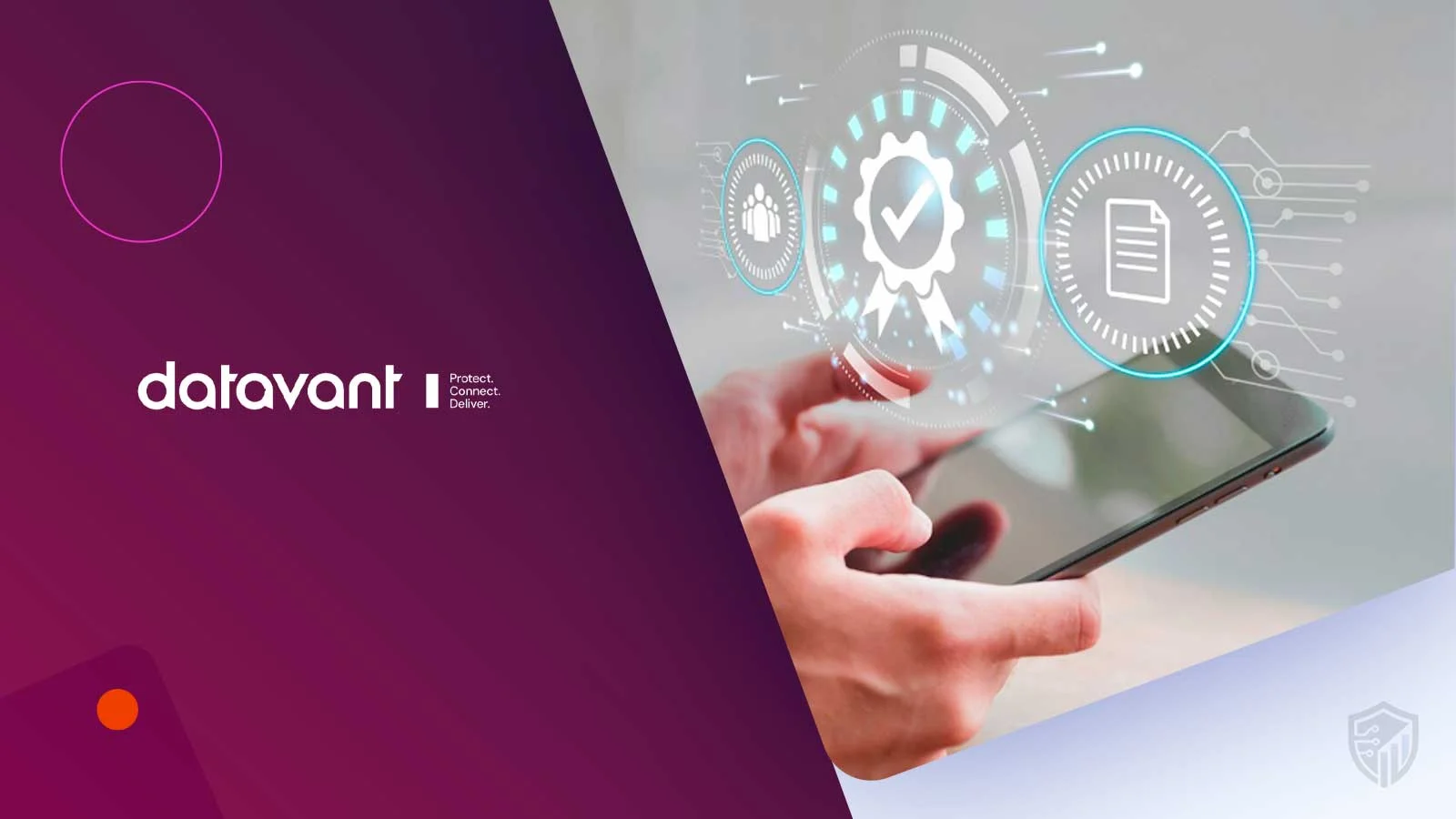
Recently, Datavant joined the AIUC-1 Consortium to develop strict safety standards for autonomous AI in healthcare. This move is crucial because agentic AI, which can act independently using patient data, challenges existing rules designed mainly for human oversight or predictable software. The current healthcare regulations focus on data privacy, audit trails, and accountability within human-controlled processes. However, as AI agents make decisions and take actions on their own, these standards need to adapt. Datavant brings its deep experience in healthcare data management to ensure the new safety framework addresses specific needs like privacy obligations and clinical risks. This effort aims to create trustworthy AI systems that can be safely deployed in high-stakes medical environments, where errors might directly harm patients. By focusing on a certification process that verifies every step the AI takes, the framework encourages safer and more reliable adoption of agentic AI in healthcare.

Ensuring Practicality and Widespread Adoption

Many healthcare organizations are eager to adopt advanced AI tools, but they face a major challenge: there are no established standards tailored to their environment. Current frameworks often come from sectors like finance or general enterprise settings, which don’t account for healthcare’s unique privacy laws and safety needs. Without proper standards, organizations risk deploying AI systems that could cause harm or violate regulations. This is why Datavant’s involvement is significant; it leverages its extensive experience to help develop standards that reflect healthcare’s realities. The goal is to prevent a pattern where security guidelines lag behind technological advances, which can lead to risky deployments. If these standards gain traction, they could influence widespread adoption, helping AI to benefit patients and providers alike. Early participation by industry leaders like Datavant ensures that healthcare’s voice shapes the future of safe, responsible AI use—an essential step toward integrating AI smoothly and safely into human-centered care.

Discover More Technology Insights

Explore the future of technology with our detailed insights on Artificial Intelligence.

Discover archived knowledge and digital history on the Internet Archive.

CyberTech-V1

Share. Facebook Twitter Pinterest LinkedIn Tumblr Email
Previous ArticleChina-linked OP-512 targets IIS servers with new cluster
Next Article Cisco Catalyst SD-WAN CVE-2026-20245 actively exploited flaw
Avatar photo
Staff Writer
  • Website

John Marcelli is a staff writer for the CISO Brief, with a passion for exploring and writing about the ever-evolving world of technology. From emerging trends to in-depth reviews of the latest gadgets, John stays at the forefront of innovation, delivering engaging content that informs and inspires readers. When he's not writing, he enjoys experimenting with new tech tools and diving into the digital landscape.

Related Posts

Bridging the Critical Confidence Gap in Enterprise AI Security

June 16, 2026

Legal Industry VPNs: Falling to Modern Threats

June 15, 2026

Closing the Gap: The Rising Threat of Third-Party Privileged Access

June 14, 2026

Comments are closed.

Latest Posts

Three Critical NGINX Flaws Get Emergency Fixes

October 20, 2026

Known Cosmos EVM Flaw Exploited Across Blockchains

October 19, 2026

Secure Remote Service. Standardize Access. Strengthen Compliance.

October 19, 2026

AI Threats Are Rising: Enforce Accountability. Trust Nothing.

October 19, 2026
Don't Miss

Bridging the Critical Confidence Gap in Enterprise AI Security

By Staff WriterJune 16, 2026

Summary Points Current AI security testing methods, like tabletop exercises, fail to reveal how AI…

Legal Industry VPNs: Falling to Modern Threats

June 15, 2026

Closing the Gap: The Rising Threat of Third-Party Privileged Access

June 14, 2026

Subscribe to Updates

Subscribe to our newsletter and never miss our latest news

Subscribe my Newsletter for New Posts & tips Let's stay updated!

Recent Posts

  • Three Critical NGINX Flaws Get Emergency Fixes
  • Known Cosmos EVM Flaw Exploited Across Blockchains

  • The Context Layer Enterprise AI Agents Need

  • Secure Remote Service. Standardize Access. Strengthen Compliance.

  • Rank Math PRO Hijacked to Deliver Self-Restoring WordPress Backdoor
About Us
About Us

Welcome to The CISO Brief, your trusted source for the latest news, expert insights, and developments in the cybersecurity world.

In today’s rapidly evolving digital landscape, staying informed about cyber threats, innovations, and industry trends is critical for professionals and organizations alike. At The CISO Brief, we are committed to providing timely, accurate, and insightful content that helps security leaders navigate the complexities of cybersecurity.

Facebook X (Twitter) Pinterest YouTube WhatsApp
Our Picks

Three Critical NGINX Flaws Get Emergency Fixes

October 20, 2026

Known Cosmos EVM Flaw Exploited Across Blockchains

October 19, 2026

The Context Layer Enterprise AI Agents Need

October 19, 2026
Most Popular

Gefährliche Angriffe: Wie Cyberkriminelle Ihre Identität angreifen

January 29, 2026300 Views

CISA Alerts: Critical Vulnerability in Splunk Enterprise Under Active Attack

June 19, 2026214 Views

Salesforce Disables Klue App After Data Breach from Token Abuse

June 19, 2026210 Views

Archives

  • October 2026
  • September 2026
  • August 2026
  • July 2026
  • June 2026
  • May 2026
  • April 2026
  • March 2026
  • February 2026
  • January 2026
  • December 2025
  • November 2025
  • October 2025
  • September 2025
  • August 2025
  • July 2025
  • June 2025

Categories

  • Compliance
  • Cyber Updates
  • Cybercrime and Ransomware
  • Editor's pick
  • Emerging Tech
  • Events
  • Featured
  • Insights
  • Most Read
  • Threat Intelligence
  • Uncategorized
© 2026 thecisobrief. Designed by thecisobrief.
  • Home
  • About Us
  • Advertise with Us
  • Contact Us
  • DMCA
  • Privacy Policy
  • Terms & Conditions

Type above and press Enter to search. Press Esc to cancel.