

Fast Facts
- U.S. prosecutors linked hacker Peter Stokes to a 2025 retail break-in using a persistent Windows device ID tied to his online activity and locations.
- The attack involved manipulating help desk staff via phone, gaining control of admin accounts, and exfiltrating 77 GB of data, despite antivirus efforts.
- The case highlights how sophisticated identity verification is crucial, as attackers often hide behind VPNs and aliases, exploiting weak help desk protocols.
- Experts stress that arresting individual members like Stokes doesn’t significantly diminish the threat, which is driven by a loose collection of hacking groups operating globally.
Technology’s Role in Tracking Cybercriminals
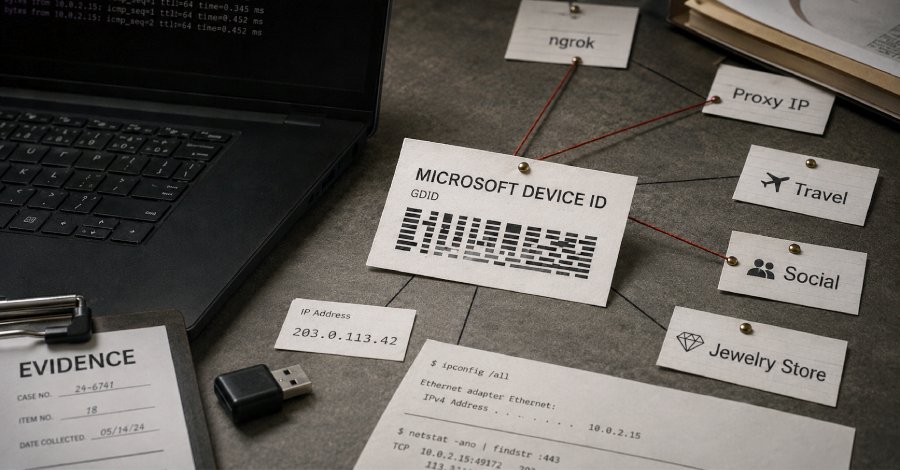
Recently, a federal complaint revealed that the FBI used a unique Windows Device ID to connect a suspect to a major cyberattack. This ID is a persistent marker linked to a single Windows installation, and it can be crucial for investigations. Microsoft provided this ID after analyzing the device involved in the attack. The ID first appeared when the hacker created a tunneling account and later connected to the retailer’s website through the same proxy, making it a key piece of evidence. This shows how digital identifiers can help law enforcement trace cybercriminals, even when they try to hide their tracks. Such technology makes it easier to pinpoint suspects in a complex online environment, which is essential as cyber threats grow more sophisticated.
Implications for Cybersecurity and Law Enforcement
The investigation demonstrated that capturing one operator might not stop the larger threat. Experts argue that groups like Scattered Spider operate as loose collectives, with small cells working independently but sharing tools and techniques. Arrests may temporarily disrupt their activities, but the overall threat remains active. This case also highlights the importance of good security practices. The breach exploited a help desk process, where attackers called pretending to be authorized employees. Preventive steps, such as verifying identities before resetting accounts, can reduce risks. On a broader scale, technology like persistent device IDs is a valuable tool for investigations, but it is just one part of a larger puzzle to combat cybercrime effectively.
Stay Ahead with the Latest Tech Trends
Explore the future of technology with our detailed insights on Artificial Intelligence.
Stay inspired by the vast knowledge available on Wikipedia.
DataProtection-V1
