
Close Menu
  • Home
  • Cybercrime and Ransomware
  • Emerging Tech
  • Threat Intelligence
  • Expert Insights
  • Careers and Learning
  • Compliance

Subscribe to Updates

Subscribe to our newsletter and never miss our latest news

Subscribe my Newsletter for New Posts & tips Let's stay updated!

What's Hot

2026 Midmarket MDR Service Vendor Assessment

July 24, 2026

China-Aligned Hackers Exploit Roundcube Flaws to Target Universities

July 24, 2026

CertiGhost Exploit Enables AD User Impersonation of Domain Controllers

July 24, 2026
Facebook X (Twitter) Instagram
The CISO Brief
  • Home
  • Cybercrime and Ransomware
  • Emerging Tech
  • Threat Intelligence
  • Expert Insights
  • Careers and Learning
  • Compliance
Home » China-Aligned Hackers Exploit Roundcube Flaws to Target Universities
Cybercrime and Ransomware

China-Aligned Hackers Exploit Roundcube Flaws to Target Universities

Staff WriterBy Staff WriterJuly 24, 2026No Comments3 Mins Read1 Views
Facebook Twitter Pinterest LinkedIn Tumblr Email
Share
Facebook Twitter LinkedIn Pinterest WhatsApp Email

Summary Points

  1. A Chinese-linked threat cluster, UNK_MassTraction, is exploiting vulnerabilities in Roundcube webmail used by U.S. and Canadian universities for credential theft and persistence.
  2. The attackers utilize cross-site scripting (XSS) exploits and sophisticated malware like IceCube, VShell, and SquareShell to breach and control targeted mail servers.
  3. The campaign involves reconnaissance, evasion tactics, and layered payloads, highlighting a mature, well-engineered operation that can pivot into broader network infiltration.
  4. This is the first known instance of Chinese actors exploiting Roundcube flaws, emphasizing the importance of securing mail servers as critical attack vectors.

Hackers Exploit Flaws in University Email Systems

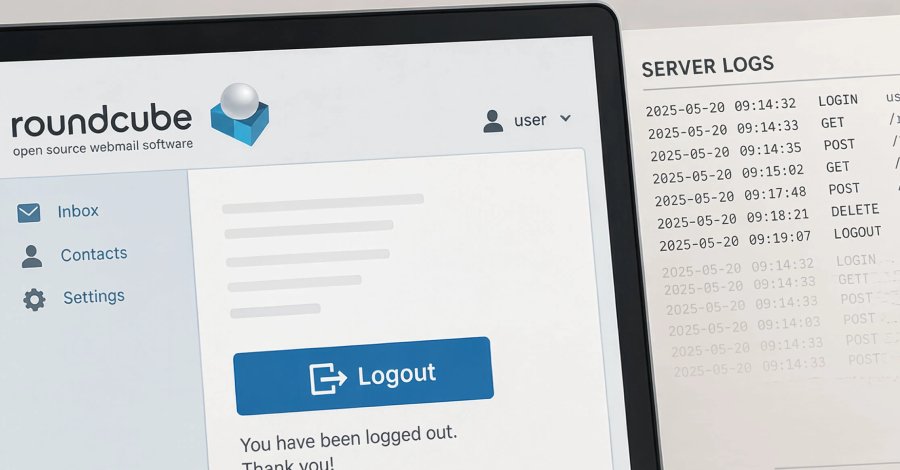
Recently, a group suspected of being connected to China has targeted university email systems in North America. These hackers are using weaknesses in Roundcube, a popular open-source webmail program. They found security flaws in the software that had not yet been fixed. The hackers use these vulnerabilities to access email accounts belonging to professors and administrators, especially those working on sensitive or security-related projects.

The attack begins when the hackers send fake emails. These emails appear to come from trusted sources or use spoofed domains to trick recipients. When a recipient opens the email, it triggers a flaw called cross-site scripting (XSS). This flaw allows the hackers to run malicious JavaScript in the victim’s browser, which steals login details and session cookies. With this information, the hackers can then take control of the email account.

Once inside, the hackers deploy malware to stay connected to the target’s email system. They use tools like VShell and web shells to maintain access. These tools give the hackers the ability to execute commands remotely, gather more information, and move deeper into the network. They also set up ways to hide their activities, making it harder for security teams to detect the breach. The entire process is carefully planned and executed to avoid raising suspicion.

Implications for Universities and Cybersecurity

This campaign shows how vulnerable many university email systems still are, especially when they run outdated software. The hackers’ method depends on knowing which versions of Roundcube are susceptible to certain flaws. This indicates that they likely used reconnaissance to identify specific targets before launching their attack. Such targeted approaches mean the malware can be tailored to bypass traditional defenses.

The use of zero-day vulnerabilities—flaws that are not yet publicly known—makes this threat particularly serious. It also highlights the importance of timely software updates. Despite patches being available, some institutions may delay applying security fixes, leaving themselves open to attack. The hackers’ tactic of combining multiple exploits creates a complex chain that can be difficult to dismantle.

For cybersecurity professionals, this campaign serves as a warning. Email servers functioning as gateways for cyberattacks should receive consistent monitoring and updates. Universities, especially those with staff in sensitive fields, must be vigilant. It’s crucial for organizations to recognize that email systems are a common entry point for advanced threats. Maintaining strong defenses around crucial infrastructure can help discourage these intrusions and protect valuable research and data.

Continue Your Tech Journey

Learn how the Internet of Things (IoT) is transforming everyday life.

Explore past and present digital transformations on the Internet Archive.

CyberAttacks-V1

Share. Facebook Twitter Pinterest LinkedIn Tumblr Email
Previous ArticleCertiGhost Exploit Enables AD User Impersonation of Domain Controllers
Next Article 2026 Midmarket MDR Service Vendor Assessment
Avatar photo
Staff Writer
  • Website

John Marcelli is a staff writer for the CISO Brief, with a passion for exploring and writing about the ever-evolving world of technology. From emerging trends to in-depth reviews of the latest gadgets, John stays at the forefront of innovation, delivering engaging content that informs and inspires readers. When he's not writing, he enjoys experimenting with new tech tools and diving into the digital landscape.

Related Posts

China-Linked UAT-7810 Expands ORB Network with New LONGLEASH Malware

July 21, 2026

New Ghost Phishing Wave Threatens Traditional Email Security

July 18, 2026

Unified Framework to Accelerate Software Vulnerability Remediation

July 16, 2026

Comments are closed.

Latest Posts

China-Aligned Hackers Exploit Roundcube Flaws to Target Universities

July 24, 2026

China-Linked UAT-7810 Expands ORB Network with New LONGLEASH Malware

July 21, 2026

New Ghost Phishing Wave Threatens Traditional Email Security

July 18, 2026

Unified Framework to Accelerate Software Vulnerability Remediation

July 16, 2026
Don't Miss

China-Linked UAT-7810 Expands ORB Network with New LONGLEASH Malware

By Staff WriterJuly 21, 2026

Fast Facts UAT-7810, a Chinese threat actor, is enhancing its bespoke malware and expanding its…

New Ghost Phishing Wave Threatens Traditional Email Security

July 18, 2026

Unified Framework to Accelerate Software Vulnerability Remediation

July 16, 2026

Subscribe to Updates

Subscribe to our newsletter and never miss our latest news

Subscribe my Newsletter for New Posts & tips Let's stay updated!

Recent Posts

  • 2026 Midmarket MDR Service Vendor Assessment
  • China-Aligned Hackers Exploit Roundcube Flaws to Target Universities
  • CertiGhost Exploit Enables AD User Impersonation of Domain Controllers
  • Vatican Prayer App Leak: Over 700K Users’ Personal Data Exposed
  • SVG exploits enable remote command execution on Microsoft servers
About Us
About Us

Welcome to The CISO Brief, your trusted source for the latest news, expert insights, and developments in the cybersecurity world.

In today’s rapidly evolving digital landscape, staying informed about cyber threats, innovations, and industry trends is critical for professionals and organizations alike. At The CISO Brief, we are committed to providing timely, accurate, and insightful content that helps security leaders navigate the complexities of cybersecurity.

Facebook X (Twitter) Pinterest YouTube WhatsApp
Our Picks

2026 Midmarket MDR Service Vendor Assessment

July 24, 2026

China-Aligned Hackers Exploit Roundcube Flaws to Target Universities

July 24, 2026

CertiGhost Exploit Enables AD User Impersonation of Domain Controllers

July 24, 2026
Most Popular

Protecting MCP Security: Defeating Prompt Injection & Tool Poisoning

January 30, 202634 Views

Unlock the Power of Free WormGPT: Harnessing DeepSeek, Gemini, and Kimi-K2 AI Models

November 27, 202531 Views

The New Face of DDoS is Impacted by AI

August 4, 202528 Views

Archives

  • July 2026
  • June 2026
  • May 2026
  • April 2026
  • March 2026
  • February 2026
  • January 2026
  • December 2025
  • November 2025
  • October 2025
  • September 2025
  • August 2025
  • July 2025
  • June 2025

Categories

  • Compliance
  • Cyber Updates
  • Cybercrime and Ransomware
  • Editor's pick
  • Emerging Tech
  • Events
  • Featured
  • Insights
  • Most Read
  • Threat Intelligence
  • Uncategorized
© 2026 thecisobrief. Designed by thecisobrief.
  • Home
  • About Us
  • Advertise with Us
  • Contact Us
  • DMCA
  • Privacy Policy
  • Terms & Conditions

Type above and press Enter to search. Press Esc to cancel.