
Close Menu
  • Home
  • Cybercrime and Ransomware
  • Emerging Tech
  • Threat Intelligence
  • Expert Insights
  • Careers and Learning
  • Compliance

Subscribe to Updates

Subscribe to our newsletter and never miss our latest news

Subscribe my Newsletter for New Posts & tips Let's stay updated!

What's Hot

Singapore Crafts National AI Governance Strategy

June 3, 2026

Secure the Future: Protecting Code, Agents, and Models Throughout Development

June 2, 2026

Ransomware novice breaches core operational security protocol

June 2, 2026
Facebook X (Twitter) Instagram
The CISO Brief
  • Home
  • Cybercrime and Ransomware
  • Emerging Tech
  • Threat Intelligence
  • Expert Insights
  • Careers and Learning
  • Compliance
Home » Critical RCE Flaw in DrayTek Routers Patched
Cybercrime and Ransomware

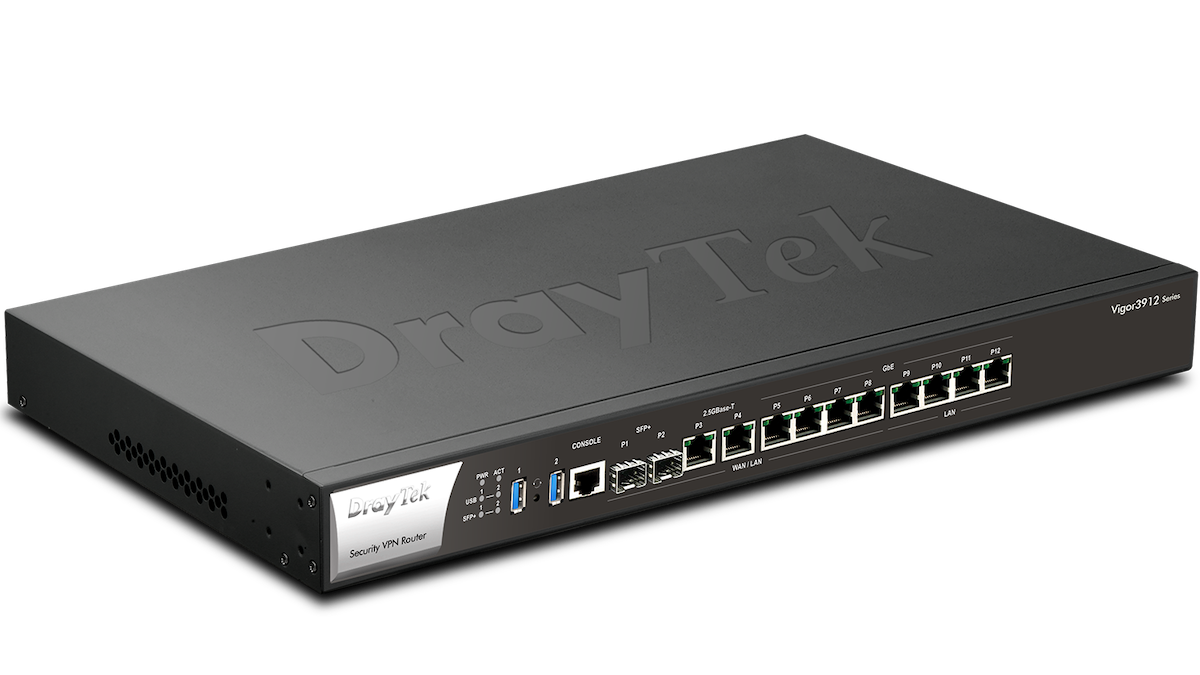
Critical RCE Flaw in DrayTek Routers Patched

Staff WriterBy Staff WriterOctober 3, 2025No Comments3 Mins Read4 Views
Facebook Twitter Pinterest LinkedIn Tumblr Email
Share
Facebook Twitter LinkedIn Pinterest WhatsApp Email

Summary Points

  1. DrayTek has released patches for CVE-2025-10547, a critical unauthenticated RCE flaw in DrayOS routers that can be exploited via crafted HTTP/HTTPS requests.
  2. Successful exploitation may cause memory corruption, system crashes, or remote code execution, posing significant security risks.
  3. The vulnerability can be exploited locally on the network even if remote access is disabled, though some access controls (VLANs, ACLs) can mitigate this.
  4. The company urges immediate firmware updates for 35 affected Vigor router models, noting no current reports of active exploitation but highlighting the severe threat to SMBs and prosumers.

What’s the Problem?

On Thursday, DrayTek announced that it had issued critical security patches for a serious vulnerability affecting its DrayOS routers, specifically a flaw labeled CVE-2025-10547. This flaw allows unauthenticated remote code execution, meaning hackers could potentially take control of vulnerable routers by sending specially crafted HTTP or HTTPS requests through the device’s web interface. While the company notes that routers are generally protected if remote access features are disabled or access controls are properly set, the vulnerability still presents a significant risk to devices with local network access—especially those protected by LAN VLANs or ACLs. The issue was reported by security researcher Pierre-Yves Maes of ChapsVision, with no evidence indicating active exploitation in the wild, yet the widespread use of these routers by small businesses and tech enthusiasts makes them attractive targets. Past incidents demonstrate that malicious actors have exploited similar vulnerabilities in DrayTek devices to launch ransomware attacks or cause disruptive reboots across various countries, heightening the urgency for users to update their firmware and mitigate potential damages.

Potential Risks

DrayTek recently issued patches for a critical vulnerability (CVE-2025-10547) affecting its DrayOS routers, which allows unauthenticated remote code execution through crafted HTTP or HTTPS requests, risking memory corruption, system crashes, and potential remote takeover; while measures like disabling remote WebUI access and proper ACL configurations can mitigate WAN-based exploitation, local network attackers with WebUI access can still exploit the flaw, highlighting significant cybersecurity risks for widely used devices across prosumers and SMBs, exemplified by recent incidents where hijacked routers facilitated ransomware attacks and widespread reboots, underscoring the imperative for prompt firmware updates to prevent exploitation in an environment rife with targeted attacks exploiting similar vulnerabilities.

Possible Actions

Addressing the unauthenticated remote code execution (RCE) flaw promptly is vital to safeguard networks from potential exploitation, data breaches, and system compromise. Rapid remediation minimizes vulnerability windows, ensuring stability and security in organizational infrastructure.

Mitigation Strategies

  • Update Firmware: Install the latest firmware patches provided by DrayTek promptly to close the RCE vulnerability.
  • Disable Remote Management: Turn off remote management features unless absolutely necessary, reducing attack surface.
  • Network Segmentation: Isolate routers within secure network zones to prevent lateral movement if exploited.
  • Strong Authentication: Enforce robust password policies and, if available, enable multi-factor authentication for router admin access.
  • Firewall Rules: Configure firewalls to restrict access to the router’s management interfaces from untrusted sources.
  • Regular Monitoring: Continuously monitor network traffic and logs for signs of unusual activities indicating potential exploitation.
  • Change Default Credentials: Replace default usernames and passwords to prevent unauthorized access.
  • Security Audits: Conduct periodic security assessments to identify and address other vulnerabilities proactively.

Advance Your Cyber Knowledge

Stay informed on the latest Threat Intelligence and Cyberattacks.

Access world-class cyber research and guidance from IEEE.

Disclaimer: The information provided may not always be accurate or up to date. Please do your own research, as the cybersecurity landscape evolves rapidly. Intended for secondary references purposes only.

Cyberattacks-V1

CISO Update Cybersecurity DrayTek MX1 router
Share. Facebook Twitter Pinterest LinkedIn Tumblr Email
Previous ArticleOracle Links Clop Extortion Attacks to July 2025 Vulnerabilities
Next Article USB Devices: Hidden Cybersecurity Threats to Critical Systems and How to Protect Against Them
Avatar photo
Staff Writer
  • Website

John Marcelli is a staff writer for the CISO Brief, with a passion for exploring and writing about the ever-evolving world of technology. From emerging trends to in-depth reviews of the latest gadgets, John stays at the forefront of innovation, delivering engaging content that informs and inspires readers. When he's not writing, he enjoys experimenting with new tech tools and diving into the digital landscape.

Related Posts

Secure the Future: Protecting Code, Agents, and Models Throughout Development

June 2, 2026

Ransomware novice breaches core operational security protocol

June 2, 2026

Gamaredon Uses WinRAR to Deploy GammaWorm and GammaSteel Malware

June 2, 2026

Comments are closed.

Latest Posts

Mustang Panda Deploys PlugX RAT via Multi-Stage LNK and PowerShell Attack Chain

June 2, 2026

Anthropic extends Project Glasswing Claude Mythos preview to 150 new organizations

June 2, 2026

Urgent: Two-Year-Old Oracle WebLogic Vulnerability Under Active Attack

June 2, 2026

CISA Warns of PAN-OS Vulnerability Exploited in Attacks

June 2, 2026
Don't Miss

Secure the Future: Protecting Code, Agents, and Models Throughout Development

By Staff WriterJune 2, 2026

Microsoft introduces advanced security tools like MDASH and integrated workflows to detect, validate, and remediate…

Ransomware novice breaches core operational security protocol

June 2, 2026

Gamaredon Uses WinRAR to Deploy GammaWorm and GammaSteel Malware

June 2, 2026

Subscribe to Updates

Subscribe to our newsletter and never miss our latest news

Subscribe my Newsletter for New Posts & tips Let's stay updated!

Recent Posts

  • Singapore Crafts National AI Governance Strategy
  • Secure the Future: Protecting Code, Agents, and Models Throughout Development
  • Ransomware novice breaches core operational security protocol
  • FBI-Flagged Phishing Kit Kali365 Extends Its Reach
  • Gamaredon Uses WinRAR to Deploy GammaWorm and GammaSteel Malware
About Us
About Us

Welcome to The CISO Brief, your trusted source for the latest news, expert insights, and developments in the cybersecurity world.

In today’s rapidly evolving digital landscape, staying informed about cyber threats, innovations, and industry trends is critical for professionals and organizations alike. At The CISO Brief, we are committed to providing timely, accurate, and insightful content that helps security leaders navigate the complexities of cybersecurity.

Facebook X (Twitter) Pinterest YouTube WhatsApp
Our Picks

Singapore Crafts National AI Governance Strategy

June 3, 2026

Secure the Future: Protecting Code, Agents, and Models Throughout Development

June 2, 2026

Ransomware novice breaches core operational security protocol

June 2, 2026
Most Popular

Protecting MCP Security: Defeating Prompt Injection & Tool Poisoning

January 30, 202632 Views

Unlock the Power of Free WormGPT: Harnessing DeepSeek, Gemini, and Kimi-K2 AI Models

November 27, 202530 Views

The New Face of DDoS is Impacted by AI

August 4, 202528 Views

Archives

  • June 2026
  • May 2026
  • April 2026
  • March 2026
  • February 2026
  • January 2026
  • December 2025
  • November 2025
  • October 2025
  • September 2025
  • August 2025
  • July 2025
  • June 2025

Categories

  • Compliance
  • Cyber Updates
  • Cybercrime and Ransomware
  • Editor's pick
  • Emerging Tech
  • Events
  • Featured
  • Insights
  • Most Read
  • Threat Intelligence
  • Uncategorized
© 2026 thecisobrief. Designed by thecisobrief.
  • Home
  • About Us
  • Advertise with Us
  • Contact Us
  • DMCA
  • Privacy Policy
  • Terms & Conditions

Type above and press Enter to search. Press Esc to cancel.