

Fast Facts
- Cybercrime surged in 2025, with a 45% increase in ransomware victims and a shift toward automated, AI-driven attacks like “Vibe Hacking.”
- Internal risks grow as “Shadow AI” causes unauthorized use of AI tools across organizations, creating vulnerabilities for hackers to exploit.
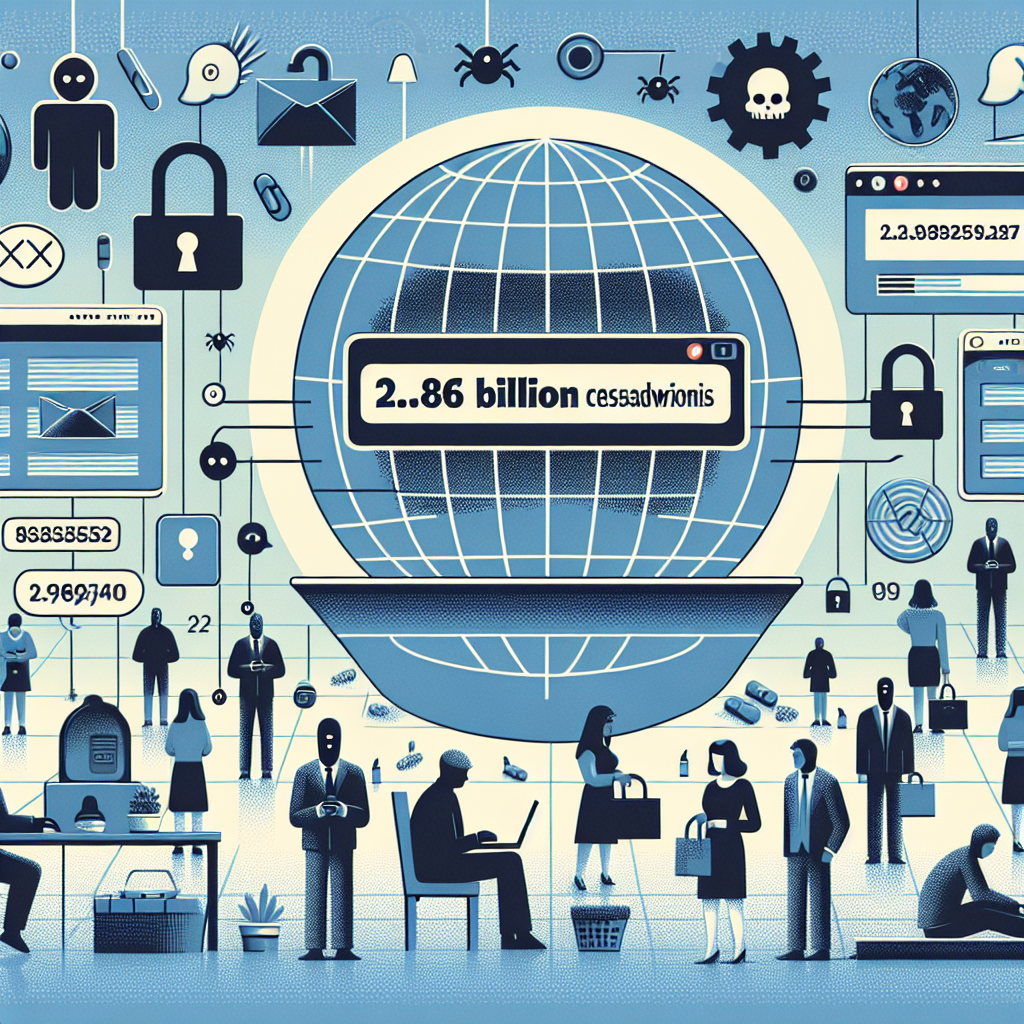
- Attackers increasingly rely on stolen credentials for identity-based breaches, with over 2.86 billion compromised credentials reported.
- The cyber threat landscape rapidly evolves, with rising malware sophistication, more active ransomware groups, and a 400% increase in hacktivism targeting critical infrastructure.
Cybercrime Sets New Records with Over 2.86 Billion Credentials Compromised
Recently, cybersecurity reports reveal a startling increase in cyber threats worldwide. In 2025, attackers stole a record-breaking 2.86 billion credentials. This number is alarming because it shows how easy it has become for cybercriminals to access personal and business accounts. Many of these stolen credentials are linked to popular cloud and authentication platforms. Cybercriminals rely on these stolen logins instead of breaking through traditional firewalls. This shift makes it harder for companies to defend their systems. As a result, protecting user identities has become a top priority in cybersecurity. Without strong safeguards, many organizations remain vulnerable to identity-based attacks. The growing number of compromised credentials reflects a changing landscape driven by automation and smarter hacking techniques. Organizations must now focus on identity security to stay ahead of increasingly sophisticated criminals.
Advancing Tactics and Widespread Risks in the Digital Age
Meanwhile, cybercriminals are evolving their methods at a rapid pace. Attackers now use advanced artificial intelligence tools to automate much of their work. For example, many enemies employ “Vibe Hacking,” which tricks AI assistants into executing malicious commands. This leads to bigger attacks with less human effort. Also, the rise of “Shadow AI” within companies adds to the risk. Unauthorized AI tools used by employees can inadvertently leak sensitive data or credentials, creating hidden vulnerabilities. Furthermore, ransomware tactics have changed. Instead of just causing disruptions, attackers often use ransomware as cover while they steal data or explore networks. This means the visible damage might just be the tip of the iceberg. On top of that, the malware landscape is rapidly expanding to different operating systems. For instance, infections on macOS surged by over 7,000%, showing that no platform is immune. As cyber threats grow more complex and widespread, organizations need to adapt quickly. Relying on old security methods no longer offers adequate protection. The digital battle is becoming a race, and those who fail to innovate face serious risks.
Stay Ahead with the Latest Tech Trends
Learn how the Internet of Things (IoT) is transforming everyday life.
Explore past and present digital transformations on the Internet Archive.
CyberTech-V1
