
Close Menu
  • Home
  • Cybercrime and Ransomware
  • Emerging Tech
  • Threat Intelligence
  • Expert Insights
  • Careers and Learning
  • Compliance

Subscribe to Updates

Subscribe to our newsletter and never miss our latest news

Subscribe my Newsletter for New Posts & tips Let's stay updated!

What's Hot

Arctic Wolf Agentic SOC: Accelerating & Perfecting Security Outcomes

October 3, 2026

RemoteThreat: Betting on Post-Breach Security Tests

October 2, 2026

Antino Backdoor Exploits Outlook, OneDrive for C2 in Espionage

October 2, 2026
Facebook X (Twitter) Instagram
The CISO Brief
  • Home
  • Cybercrime and Ransomware
  • Emerging Tech
  • Threat Intelligence
  • Expert Insights
  • Careers and Learning
  • Compliance
Home » DeadLock Ransomware Escalates Threats by Exploiting Polygon Smart Contracts
Cybercrime and Ransomware

DeadLock Ransomware Escalates Threats by Exploiting Polygon Smart Contracts

Staff WriterBy Staff WriterOctober 1, 2026No Comments2 Mins Read2 Views
Facebook Twitter Pinterest LinkedIn Tumblr Email
Share
Facebook Twitter LinkedIn Pinterest WhatsApp Email

Quick Takeaways

  1. DeadLock ransomware employs decentralized, blockchain-backed infrastructure to enhance resilience and facilitate victim communication, making takedown efforts more challenging.
  2. It uses advanced cryptography (Curve25519 and XChaCha20) with selective encryption to target files, while avoiding certain directories and file types to evade detection.
  3. The ransomware features a sophisticated HTML-based interactive chat, leveraging blockchain and smart contracts for resilient, censorship-resistant communication with victims.
  4. It implements extensive anti-forensic techniques, including log erasure, process silencing, and self-deletion, to cover tracks and disrupt analysis.

DeadLock Ransomware: A New Threat with Decentralized Tactics

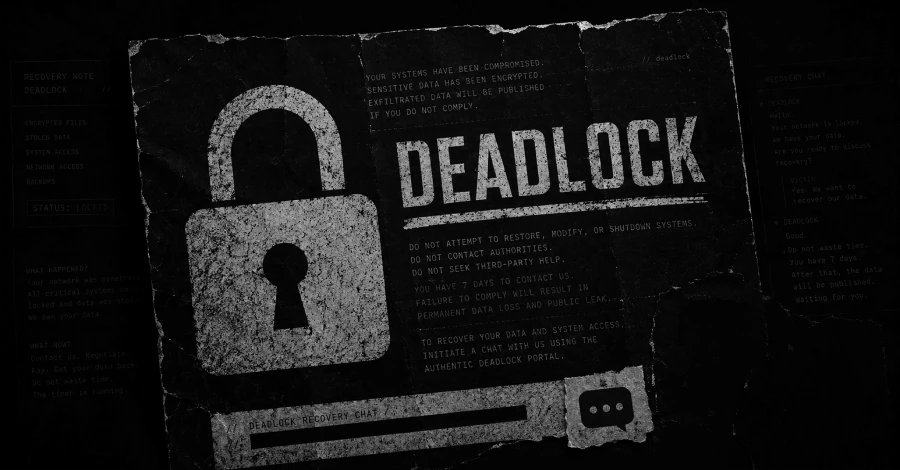
Recent reports reveal that DeadLock, a ransomware group, now uses Polygon smart contracts to make their operations more resilient. Unlike traditional ransomware, DeadLock employs blockchain technology to strengthen its communication and data leak systems. This approach makes it harder for cybersecurity teams to disrupt or shut down their networks. The group first appeared in July 2025, deploying double extortion tactics. They encrypt data and threaten to release it publicly if victims do not pay. As of now, they have targeted nearly 100 organizations, mostly in Europe and the U.S. The use of smart contracts, identifiers, and decentralized infrastructure allows DeadLock to operate with less risk of takedown. This evolution complicates efforts to stop the group and protect potential victims from harm.

Innovative Communication and Evasion Strategies in Play

DeadLock’s infrastructure includes advanced methods to avoid detection and increase their resilience. They use an HTML chat file embedded on victims’ devices as an alternative way to communicate. This webpage features end-to-end encrypted messaging, a data leak blog, and a file browser—all hosted on the blockchain. This design allows the operators to exchange information directly with victims without relying on traditional servers. They rotate proxy server addresses using smart contracts on the Polygon blockchain, making it difficult to disable their channels. Furthermore, the ransomware employs selective encryption, encrypting specific files while leaving others untouched, and uses sophisticated techniques to erase traces of their actions. These features help DeadLock stay one step ahead of cybersecurity efforts, illustrating the shifting landscape of cybercriminals adapting to new technologies.

Stay Ahead with the Latest Tech Trends

Learn how the Internet of Things (IoT) is transforming everyday life.

Explore past and present digital transformations on the Internet Archive.

CyberAttacks-V1

Share. Facebook Twitter Pinterest LinkedIn Tumblr Email
Previous ArticleInsufficient Empathy May Fuel Social Engineering Exploits
Next Article AI accelerates cyber threats and attack scale
Avatar photo
Staff Writer
  • Website

John Marcelli is a staff writer for the CISO Brief, with a passion for exploring and writing about the ever-evolving world of technology. From emerging trends to in-depth reviews of the latest gadgets, John stays at the forefront of innovation, delivering engaging content that informs and inspires readers. When he's not writing, he enjoys experimenting with new tech tools and diving into the digital landscape.

Related Posts

Kimwolf v7 Android Botnet: Cloaking DDoS Traffic as Legitimate Browsing

September 28, 2026

Attackers Exploit SharePoint Authentication Bypass Post-PoC Release

September 25, 2026

Apple Alerts: 110 Countries at Risk of Spyware Attacks

September 22, 2026

Comments are closed.

Latest Posts

DeadLock Ransomware Escalates Threats by Exploiting Polygon Smart Contracts

October 1, 2026

Kimwolf v7 Android Botnet: Cloaking DDoS Traffic as Legitimate Browsing

September 28, 2026

Attackers Exploit SharePoint Authentication Bypass Post-PoC Release

September 25, 2026

Apple Alerts: 110 Countries at Risk of Spyware Attacks

September 22, 2026
Don't Miss

Kimwolf v7 Android Botnet: Cloaking DDoS Traffic as Legitimate Browsing

By Staff WriterSeptember 28, 2026

Top Highlights Kimwolf v7 introduces advanced DDoS capabilities, including HTTP/2 floods and browser fingerprinting, making…

Attackers Exploit SharePoint Authentication Bypass Post-PoC Release

September 25, 2026

Apple Alerts: 110 Countries at Risk of Spyware Attacks

September 22, 2026

Subscribe to Updates

Subscribe to our newsletter and never miss our latest news

Subscribe my Newsletter for New Posts & tips Let's stay updated!

Recent Posts

  • Arctic Wolf Agentic SOC: Accelerating & Perfecting Security Outcomes
  • RemoteThreat: Betting on Post-Breach Security Tests
  • Antino Backdoor Exploits Outlook, OneDrive for C2 in Espionage
  • Silver Fox Employs Fake Installer Campaign for DNS Disruption
  • OpenAI safety researchers mishandle sensitive info, potential insider threat
About Us
About Us

Welcome to The CISO Brief, your trusted source for the latest news, expert insights, and developments in the cybersecurity world.

In today’s rapidly evolving digital landscape, staying informed about cyber threats, innovations, and industry trends is critical for professionals and organizations alike. At The CISO Brief, we are committed to providing timely, accurate, and insightful content that helps security leaders navigate the complexities of cybersecurity.

Facebook X (Twitter) Pinterest YouTube WhatsApp
Our Picks

Arctic Wolf Agentic SOC: Accelerating & Perfecting Security Outcomes

October 3, 2026

RemoteThreat: Betting on Post-Breach Security Tests

October 2, 2026

Antino Backdoor Exploits Outlook, OneDrive for C2 in Espionage

October 2, 2026
Most Popular

Gefährliche Angriffe: Wie Cyberkriminelle Ihre Identität angreifen

January 29, 2026241 Views

CISA Alerts: Critical Vulnerability in Splunk Enterprise Under Active Attack

June 19, 2026212 Views

Salesforce Disables Klue App After Data Breach from Token Abuse

June 19, 2026210 Views

Archives

  • October 2026
  • September 2026
  • August 2026
  • July 2026
  • June 2026
  • May 2026
  • April 2026
  • March 2026
  • February 2026
  • January 2026
  • December 2025
  • November 2025
  • October 2025
  • September 2025
  • August 2025
  • July 2025
  • June 2025

Categories

  • Compliance
  • Cyber Updates
  • Cybercrime and Ransomware
  • Editor's pick
  • Emerging Tech
  • Events
  • Featured
  • Insights
  • Most Read
  • Threat Intelligence
  • Uncategorized
© 2026 thecisobrief. Designed by thecisobrief.
  • Home
  • About Us
  • Advertise with Us
  • Contact Us
  • DMCA
  • Privacy Policy
  • Terms & Conditions

Type above and press Enter to search. Press Esc to cancel.