

Summary Points
- Attackers stole AI prompts from three inference providers for months—without the providers noticing until researchers alerted them.
- “Zero Data Retention” labels didn’t guarantee privacy: flagged prompts were copied, forwarded, and in some cases read by people.
- Stolen credentials were tested against cloud accounts, while hidden routing and marketplace logging exposed requests to additional parties.
- Rotate secrets in affected prompts; choose providers and routes deliberately, verify privacy claims, and avoid reseller marketplaces.
OpenRouter Drops Three Providers After Researchers Find Months of Prompt Theft
Researchers Trace Stolen AI Requests
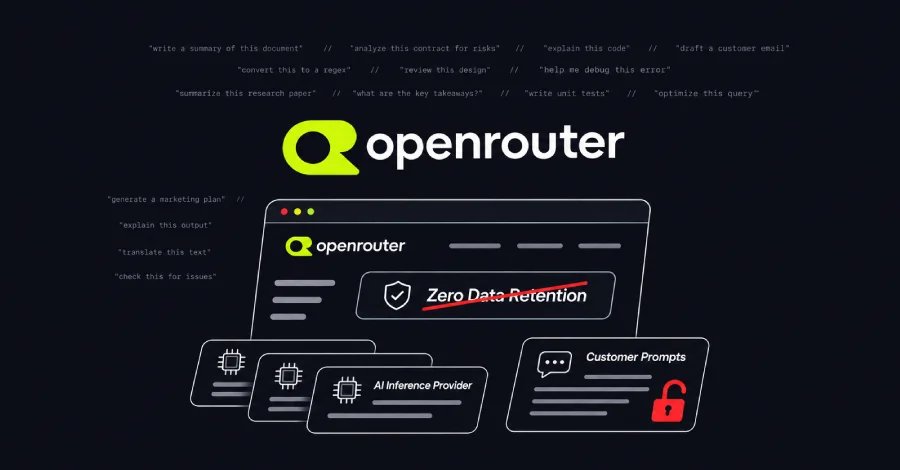
Attackers accessed customer requests at three AI hosting providers for months before researchers alerted them, cybersecurity firm Dragos reported. To detect theft, researchers placed unique links and credentials in about two million test prompts from July through November. When someone used a planted secret, it showed that someone had read the prompt.
Some exposed requests carried a “Zero Data Retention” setting, which tells a provider not to keep prompts. However, that setting cannot stop someone from copying a request as it arrives or from forwarding it elsewhere.
OpenRouter, which routes customer requests to outside AI providers, removed three providers from its platform. It also removed 125 endpoints from Zero Data Retention eligibility and notified potentially affected customers. OpenRouter said attackers did not breach its own systems. The company has not said whether its three removed providers match the three in Dragos’s findings.
Users Must Check Where Prompts Go
The researchers also found that some marketplace sellers logged requests, while hidden routing paths sent some traffic to other companies. These findings show why a privacy setting alone may not protect sensitive information.
AI routers make it easier to use different models, but each extra provider or reseller can add another place where data may go. Therefore, users should choose providers carefully, avoid unknown resellers, and keep passwords and access keys out of prompts. They should also replace any secrets that may have appeared in exposed requests.
For organizations that handle sensitive information, self-hosting or working directly with a trusted provider can reduce the number of parties involved. Stronger checks will help people use AI with greater confidence—and support broader adoption without treating privacy as an afterthought.
Stay Ahead with the Latest Tech Trends
Stay informed on the revolutionary breakthroughs in Quantum Computing research.
Stay inspired by the vast knowledge available on Wikipedia.
DataProtection-V1
