
Close Menu
  • Home
  • Cybercrime and Ransomware
  • Emerging Tech
  • Threat Intelligence
  • Expert Insights
  • Careers and Learning
  • Compliance

Subscribe to Updates

Subscribe to our newsletter and never miss our latest news

Subscribe my Newsletter for New Posts & tips Let's stay updated!

What's Hot

WordPress Backdoor Reinstates via Files, Database, Shared Memory

October 1, 2026

Attackers Exploit ScreenConnect for Remote Access Breaching

October 1, 2026

MetaMask breach targets Ethereum validator security vulnerabilities

October 1, 2026
Facebook X (Twitter) Instagram
The CISO Brief
  • Home
  • Cybercrime and Ransomware
  • Emerging Tech
  • Threat Intelligence
  • Expert Insights
  • Careers and Learning
  • Compliance
Home » Fuji Electric HMI Flaws: A Hidden Threat to Industrial Security
Cybercrime and Ransomware

Fuji Electric HMI Flaws: A Hidden Threat to Industrial Security

Staff WriterBy Staff WriterOctober 16, 2025No Comments3 Mins Read10 Views
Facebook Twitter Pinterest LinkedIn Tumblr Email
Share
Facebook Twitter LinkedIn Pinterest WhatsApp Email

Essential Insights

  1. Fuji Electric’s V-SFT, used for managing industrial HMIs, was found to have multiple vulnerabilities that could enable threat actors to execute arbitrary code or access sensitive information.
  2. Exploiting these flaws requires social engineering to trick users into opening malicious project files, leading to system control by attackers.
  3. Despite the release of patches (version 6.2.9.0) after a four-month delay, Japanese authorities and security researchers highlight the potential security risks remaining unaddressed.
  4. Over 20 security issues identified by researcher Heinzl have been patched recently, indicating ongoing efforts to improve V-SFT’s cybersecurity resilience.

Problem Explained

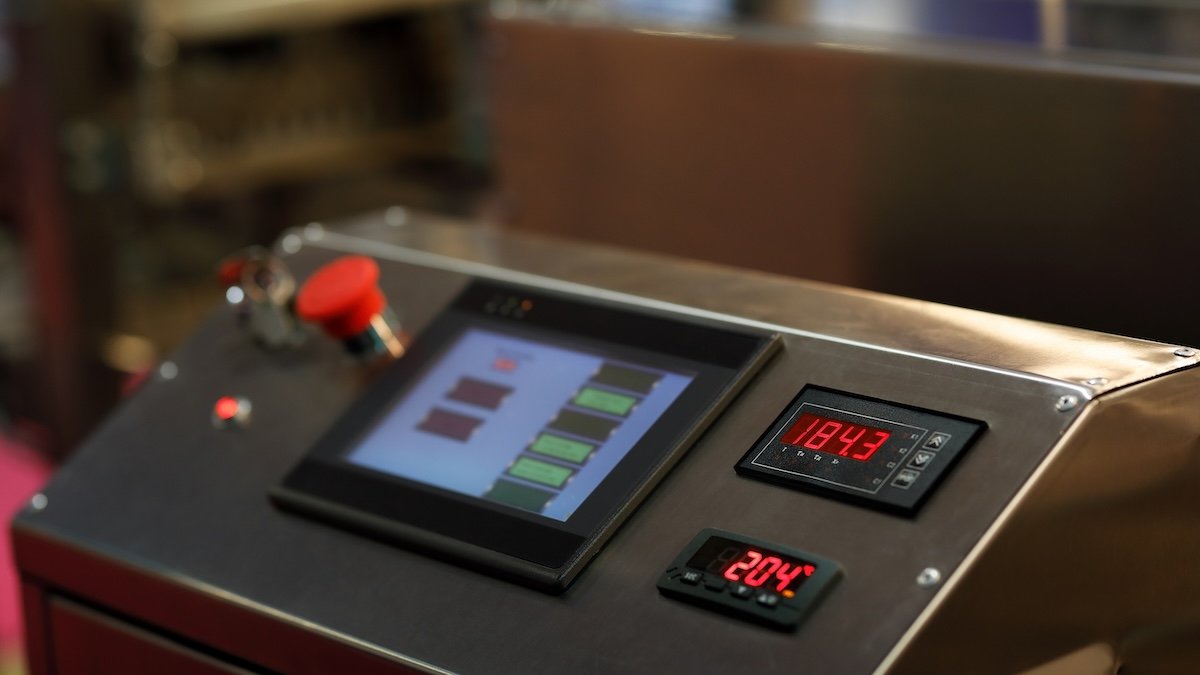
Recently, Fuji Electric addressed multiple security vulnerabilities in its V-SFT software, a key tool used by industrial organizations worldwide to develop and manage human-machine interfaces (HMIs) for their industrial systems, especially the widely used Monitouch series. Cybersecurity researcher Michael Heinzl uncovered over 20 flaws in the software—several of which could enable hackers to execute arbitrary code or leak sensitive information—by exploiting weaknesses in how V-SFT handles user data, specifically through malicious project files that could be used in social engineering attacks. These attacks would allow an attacker to gain control of a compromised system by tricking a user into opening a crafted file. Although Fuji Electric released patches (version 6.2.9.0) to fix these vulnerabilities, the vendor was slow, taking about four months after initial notification, compared to nine months for earlier issues, which indicates a concerning delay in addressing critical security flaws. This situation was publicly flagged by Japan’s JPCERT cybersecurity agency, which issued an advisory, although it offered limited details on the potential impact, leaving many organizations vulnerable to targeted attacks if they had not immediately applied the updates.

Critical Concerns

Recently, Fuji Electric addressed over 20 critical vulnerabilities in its V-SFT software—used worldwide to develop and manage human-machine interfaces (HMIs) in industrial and manufacturing settings—that threat actors could exploit to gain unauthorized access, execute arbitrary code, or disclose sensitive information. These flaws stem from insufficient validation of user-supplied data, enabling attackers to manipulate malicious project files through social engineering, ultimately allowing system takeover with legitimate user privileges. Though patches (version 6.2.9.0) have been issued, delays—up to four months—highlight ongoing challenges in timely vulnerability mitigation, leaving industrial organizations exposed to potential cyberattacks that could disrupt operations, compromise safety, or lead to intellectual property theft, underlining the importance of prompt security updates and vigilant defense strategies in industrial cybersecurity.

Possible Action Plan

Addressing the vulnerabilities in the Fuji Electric HMI Configurator promptly is crucial to prevent potential cyberattacks that could disrupt industrial operations, compromise sensitive data, or cause safety hazards.

Mitigation Steps:

  • Implement strong network segmentation to isolate critical systems.
  • Establish rigorous access controls and authentication protocols.
  • Regularly update and patch the HMI software and related systems.
  • Conduct routine vulnerability assessments and penetration testing.
  • Enable and configure firewalls to monitor and block malicious traffic.

Remediation Steps:

  • Immediately disable any compromised or outdated HMI configurations.
  • Restore systems from secure backups following a thorough security review.
  • Remove any unauthorized access points or user accounts.
  • Collaborate with cybersecurity experts to conduct a thorough security audit.
  • Develop and enforce comprehensive security policies and staff training programs.

Explore More Security Insights

Explore career growth and education via Careers & Learning, or dive into Compliance essentials.

Understand foundational security frameworks via NIST CSF on Wikipedia.

Disclaimer: The information provided may not always be accurate or up to date. Please do your own research, as the cybersecurity landscape evolves rapidly. Intended for secondary references purposes only.

Cyberattacks-V1

CISO Update Cybersecurity Fuji Electric HMI ICS Industrial MX1 vulnerability
Share. Facebook Twitter Pinterest LinkedIn Tumblr Email
Previous ArticleCyber Threat: Hackers Exploit Blockchain Smart Contracts to Spread Malware through WordPress
Next Article CISOs Prepare for an AI Showdown
Avatar photo
Staff Writer
  • Website

John Marcelli is a staff writer for the CISO Brief, with a passion for exploring and writing about the ever-evolving world of technology. From emerging trends to in-depth reviews of the latest gadgets, John stays at the forefront of innovation, delivering engaging content that informs and inspires readers. When he's not writing, he enjoys experimenting with new tech tools and diving into the digital landscape.

Related Posts

WordPress Backdoor Reinstates via Files, Database, Shared Memory

October 1, 2026

Attackers Exploit ScreenConnect for Remote Access Breaching

October 1, 2026

MetaMask breach targets Ethereum validator security vulnerabilities

October 1, 2026

Comments are closed.

Latest Posts

Kimwolf v7 Android Botnet: Cloaking DDoS Traffic as Legitimate Browsing

September 28, 2026

Attackers Exploit SharePoint Authentication Bypass Post-PoC Release

September 25, 2026

Apple Alerts: 110 Countries at Risk of Spyware Attacks

September 22, 2026

Urgent: Exploitation of SAP Commerce Cloud CVE-2026-58231 Sparks Immediate Threat

September 19, 2026
Don't Miss

WordPress Backdoor Reinstates via Files, Database, Shared Memory

By Staff WriterOctober 1, 2026

Quick Takeaways A sophisticated WordPress backdoor named "SC" employs multiple persistent, self-healing components across files,…

Attackers Exploit ScreenConnect for Remote Access Breaching

October 1, 2026

MetaMask breach targets Ethereum validator security vulnerabilities

October 1, 2026

Subscribe to Updates

Subscribe to our newsletter and never miss our latest news

Subscribe my Newsletter for New Posts & tips Let's stay updated!

Recent Posts

  • WordPress Backdoor Reinstates via Files, Database, Shared Memory
  • Attackers Exploit ScreenConnect for Remote Access Breaching
  • MetaMask breach targets Ethereum validator security vulnerabilities
  • Clico cyber tool reveals Czech firms’ security weaknesses
  • Why Resilient OT Is Critical for Today’s Boards
About Us
About Us

Welcome to The CISO Brief, your trusted source for the latest news, expert insights, and developments in the cybersecurity world.

In today’s rapidly evolving digital landscape, staying informed about cyber threats, innovations, and industry trends is critical for professionals and organizations alike. At The CISO Brief, we are committed to providing timely, accurate, and insightful content that helps security leaders navigate the complexities of cybersecurity.

Facebook X (Twitter) Pinterest YouTube WhatsApp
Our Picks

WordPress Backdoor Reinstates via Files, Database, Shared Memory

October 1, 2026

Attackers Exploit ScreenConnect for Remote Access Breaching

October 1, 2026

MetaMask breach targets Ethereum validator security vulnerabilities

October 1, 2026
Most Popular

Gefährliche Angriffe: Wie Cyberkriminelle Ihre Identität angreifen

January 29, 2026235 Views

CISA Alerts: Critical Vulnerability in Splunk Enterprise Under Active Attack

June 19, 2026212 Views

Salesforce Disables Klue App After Data Breach from Token Abuse

June 19, 2026210 Views

Archives

  • October 2026
  • September 2026
  • August 2026
  • July 2026
  • June 2026
  • May 2026
  • April 2026
  • March 2026
  • February 2026
  • January 2026
  • December 2025
  • November 2025
  • October 2025
  • September 2025
  • August 2025
  • July 2025
  • June 2025

Categories

  • Compliance
  • Cyber Updates
  • Cybercrime and Ransomware
  • Editor's pick
  • Emerging Tech
  • Events
  • Featured
  • Insights
  • Most Read
  • Threat Intelligence
  • Uncategorized
© 2026 thecisobrief. Designed by thecisobrief.
  • Home
  • About Us
  • Advertise with Us
  • Contact Us
  • DMCA
  • Privacy Policy
  • Terms & Conditions

Type above and press Enter to search. Press Esc to cancel.