
Close Menu
  • Home
  • Cybercrime and Ransomware
  • Emerging Tech
  • Threat Intelligence
  • Expert Insights
  • Careers and Learning
  • Compliance

Subscribe to Updates

Subscribe to our newsletter and never miss our latest news

Subscribe my Newsletter for New Posts & tips Let's stay updated!

What's Hot

Future-Proof Your Defense: The Need for Long-Term Planning in Physical AI Security

June 13, 2026

Transform Specs into Agent Evals with ASSERT

June 12, 2026

FBI Cracks Massive China-Based Cybercrime Ring, $1.9B Lost

June 12, 2026
Facebook X (Twitter) Instagram
The CISO Brief
  • Home
  • Cybercrime and Ransomware
  • Emerging Tech
  • Threat Intelligence
  • Expert Insights
  • Careers and Learning
  • Compliance
Home » Future-Proof Your Defense: The Need for Long-Term Planning in Physical AI Security
Cyber Updates

Future-Proof Your Defense: The Need for Long-Term Planning in Physical AI Security

Staff WriterBy Staff WriterJune 13, 2026No Comments3 Mins Read2 Views
Facebook Twitter Pinterest LinkedIn Tumblr Email
Share
Facebook Twitter LinkedIn Pinterest WhatsApp Email

Summary Points

  1. Security architecture should be established early, using hardware roots of trust to prevent costly post-deployment fixes.
  2. Post-quantum cryptography readiness is crucial for long-term security, especially for systems with 20+ year lifespans in regulated environments.
  3. Certified hardware security components like OPTIGA TPM streamline compliance with evolving industrial regulations and standards.
  4. Designing with a long-term perspective, including post-quantum capabilities, significantly reduces operational and regulatory risks over a system’s lifespan.

Planning for Long-Term Security in Physical AI

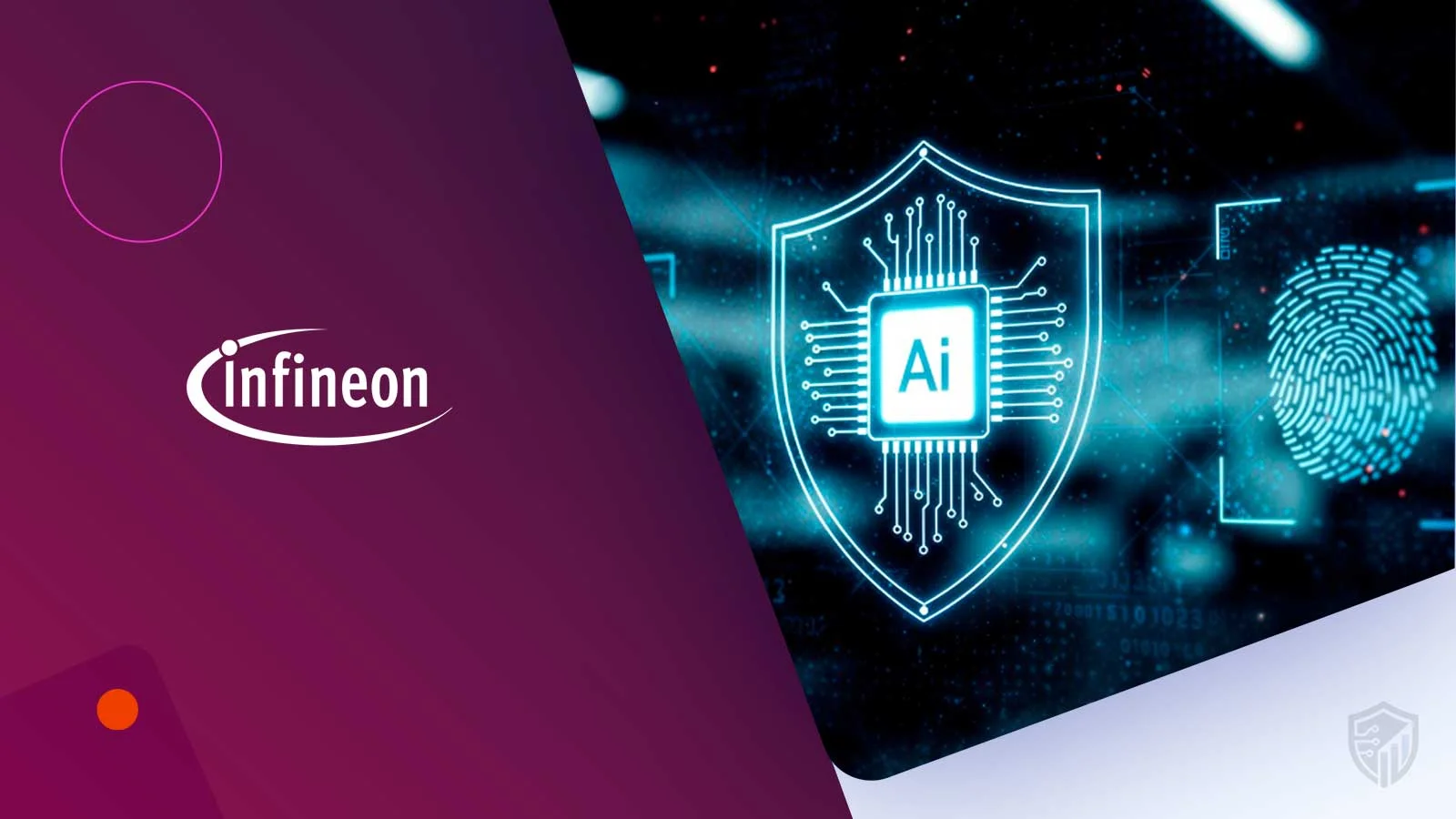
Physical AI systems, such as robots in factories or hospitals, need careful planning for security. This is because a system’s safety depends on its foundation. Making security choices early prevents costly problems later. For example, building trust into hardware, not just software, creates a stronger defense. Hardware roots of trust are isolated components that store keys and verify systems. They protect against attacks that software alone cannot stop. When security is built in from the start, it helps ensure safety and regulatory compliance over the system’s lifespan.

Long-term planning also involves thinking ahead about future threats. The rise of quantum computers, which could break current encryption, is a key concern. While quantum technology is not here yet, systems built today must be prepared for the future. Hardware that can be updated or comes with post-quantum security features ensures systems remain protected. Making these decisions now can save organizations from costly replacements or upgrades later. Overall, long-term planning in AI security creates reliable, trustworthy systems that contribute to human progress and safety.

Timely Decisions Shaping the Future of Physical AI Security

Many organizations are making vital choices about security components today. These decisions impact their ability to comply with evolving regulations. For industries like manufacturing or healthcare, certifying hardware with recognized standards is crucial. Certifications like Common Criteria prove that systems meet strict security requirements. This certification process supports regulatory compliance now and in the future.

Furthermore, the growing regulatory landscape demands hardware-level security. New laws in Europe and standards from agencies make it clear that relying on software alone is insufficient. When companies use certified and certified hardware roots of trust, they simplify compliance and reduce risks. Additionally, decisions on hardware now influence the scalability of deploying fleets of robots across multiple locations. Automated, cryptographically verified provisioning becomes essential when managing thousands of units. These timely choices ensure that physical AI systems remain secure, compliant, and capable of supporting the human endeavors they are designed to serve.

Stay Ahead with the Latest Tech Trends

Dive deeper into the world of Cryptocurrency and its impact on global finance.

Explore past and present digital transformations on the Internet Archive.

CyberTech-V1

Share. Facebook Twitter Pinterest LinkedIn Tumblr Email
Previous ArticleTransform Specs into Agent Evals with ASSERT
Avatar photo
Staff Writer
  • Website

John Marcelli is a staff writer for the CISO Brief, with a passion for exploring and writing about the ever-evolving world of technology. From emerging trends to in-depth reviews of the latest gadgets, John stays at the forefront of innovation, delivering engaging content that informs and inspires readers. When he's not writing, he enjoys experimenting with new tech tools and diving into the digital landscape.

Related Posts

Enterprise AI: Why Data Governance Is Now Critical for Cortex AI

June 12, 2026

Coralogix’s $200M Round Sparks New Observability Era

June 11, 2026

Netskope AI Command Center Empowers AI Governance Leaders

June 10, 2026

Comments are closed.

Latest Posts

FBI Cracks Massive China-Based Cybercrime Ring, $1.9B Lost

June 12, 2026

Malicious NPM Campaign Steals SSH Keys, API Tokens, Cloud Credentials & Wallet Secrets

June 12, 2026

Conti Ransomware Member Faces 20 Years After Guilty Plea

June 12, 2026

Fancy Bear Exploits EdgeRouters and Cloud Services for Stealth Cyberattacks

June 12, 2026
Don't Miss

Enterprise AI: Why Data Governance Is Now Critical for Cortex AI

By Staff WriterJune 12, 2026

Top Highlights Effective AI governance depends on precise data classification, especially at the column level,…

Coralogix’s $200M Round Sparks New Observability Era

June 11, 2026

Netskope AI Command Center Empowers AI Governance Leaders

June 10, 2026

Subscribe to Updates

Subscribe to our newsletter and never miss our latest news

Subscribe my Newsletter for New Posts & tips Let's stay updated!

Recent Posts

  • Future-Proof Your Defense: The Need for Long-Term Planning in Physical AI Security
  • Transform Specs into Agent Evals with ASSERT
  • FBI Cracks Massive China-Based Cybercrime Ring, $1.9B Lost
  • Malicious NPM Campaign Steals SSH Keys, API Tokens, Cloud Credentials & Wallet Secrets
  • Conti Ransomware Member Faces 20 Years After Guilty Plea
About Us
About Us

Welcome to The CISO Brief, your trusted source for the latest news, expert insights, and developments in the cybersecurity world.

In today’s rapidly evolving digital landscape, staying informed about cyber threats, innovations, and industry trends is critical for professionals and organizations alike. At The CISO Brief, we are committed to providing timely, accurate, and insightful content that helps security leaders navigate the complexities of cybersecurity.

Facebook X (Twitter) Pinterest YouTube WhatsApp
Our Picks

Future-Proof Your Defense: The Need for Long-Term Planning in Physical AI Security

June 13, 2026

Transform Specs into Agent Evals with ASSERT

June 12, 2026

FBI Cracks Massive China-Based Cybercrime Ring, $1.9B Lost

June 12, 2026
Most Popular

Protecting MCP Security: Defeating Prompt Injection & Tool Poisoning

January 30, 202633 Views

Unlock the Power of Free WormGPT: Harnessing DeepSeek, Gemini, and Kimi-K2 AI Models

November 27, 202530 Views

The New Face of DDoS is Impacted by AI

August 4, 202528 Views

Archives

  • June 2026
  • May 2026
  • April 2026
  • March 2026
  • February 2026
  • January 2026
  • December 2025
  • November 2025
  • October 2025
  • September 2025
  • August 2025
  • July 2025
  • June 2025

Categories

  • Compliance
  • Cyber Updates
  • Cybercrime and Ransomware
  • Editor's pick
  • Emerging Tech
  • Events
  • Featured
  • Insights
  • Most Read
  • Threat Intelligence
  • Uncategorized
© 2026 thecisobrief. Designed by thecisobrief.
  • Home
  • About Us
  • Advertise with Us
  • Contact Us
  • DMCA
  • Privacy Policy
  • Terms & Conditions

Type above and press Enter to search. Press Esc to cancel.