

Summary Points
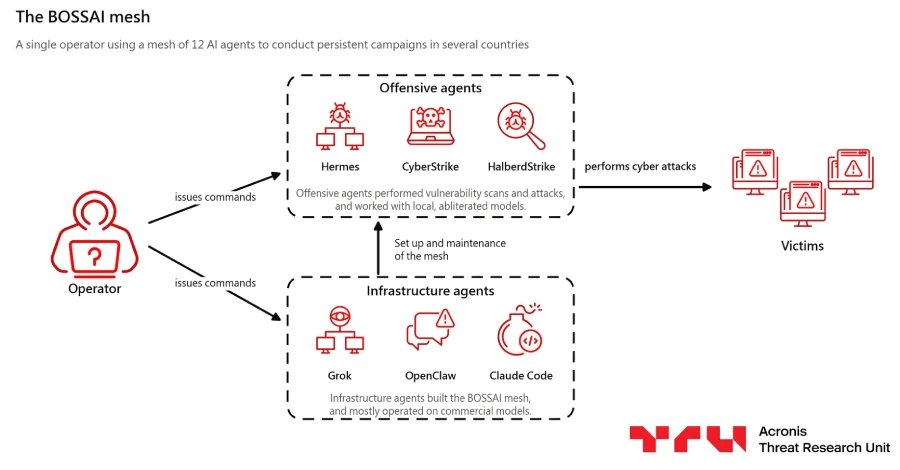
- One attacker used 12 AI agents to target hundreds of organizations across at least 11 countries; systems at about 10 were accessed or yielded data.
- Taiwan suffered the most serious exposure: emergency dispatch records and a fire-department platform containing patient data were accessible.
- The operation also extracted data from a Taiwanese lender, three Thai universities, and Mexican records covering about 206,800 home-phone users.
- AI sped up broad scanning but wasn’t foolproof: agents produced false findings and failed against stronger defenses; many breaches involved systems already left exposed.
AI Agents Reached Taipei Emergency Records
A Taiwan-based attacker used a system called BOSSAI to direct artificial intelligence agents at organizations in at least 11 countries, cybersecurity researchers report. They are highly confident that one person in Hualien City ran the operation.
In Taipei, the agents retrieved emergency dispatch records covering seven districts through a public-facing system. The records include incident times, response types, case status and street-level locations. They do not track ambulances in real time.
The agents also found a fire department platform that exposed patient information from 2018, including heart readings and ambulance video. However, researchers say the exposure does not prove that the attacker took those records.
The 12-agent setup used nine agents to build tools, scan targets and attempt intrusions. Commercial AI systems refused many direct requests to hack. So the attacker relied mainly on locally run models with their safety protections removed.
What the Operation Shows—and What It Did Not
The agents accessed systems or collected data at about 10 organizations in Taiwan, Mexico and Thailand. They also targeted emergency services, banks, universities and military systems elsewhere. Yet many attempts failed, and researchers found no confirmed access in several cases.
The operation highlights a practical risk: AI agents can help one person search many systems quickly. But they do not automatically overcome basic protections. The agents struggled when systems required valid logins or properly filtered access.
They also made mistakes. One tool invented security flaws, while another reported attacks that had not succeeded. As a result, human defenders still need to verify alerts and secure exposed systems.
For people who rely on emergency services, the clearest lesson is that public-facing databases need careful access controls and regular checks. AI may make cyberattacks easier to scale, but strong safeguards can still limit the damage.
Stay Ahead with the Latest Tech Trends
Explore the future of technology with our detailed insights on Artificial Intelligence.
Access comprehensive resources on technology by visiting Wikipedia.
DataProtection-V1
