

Fast Facts
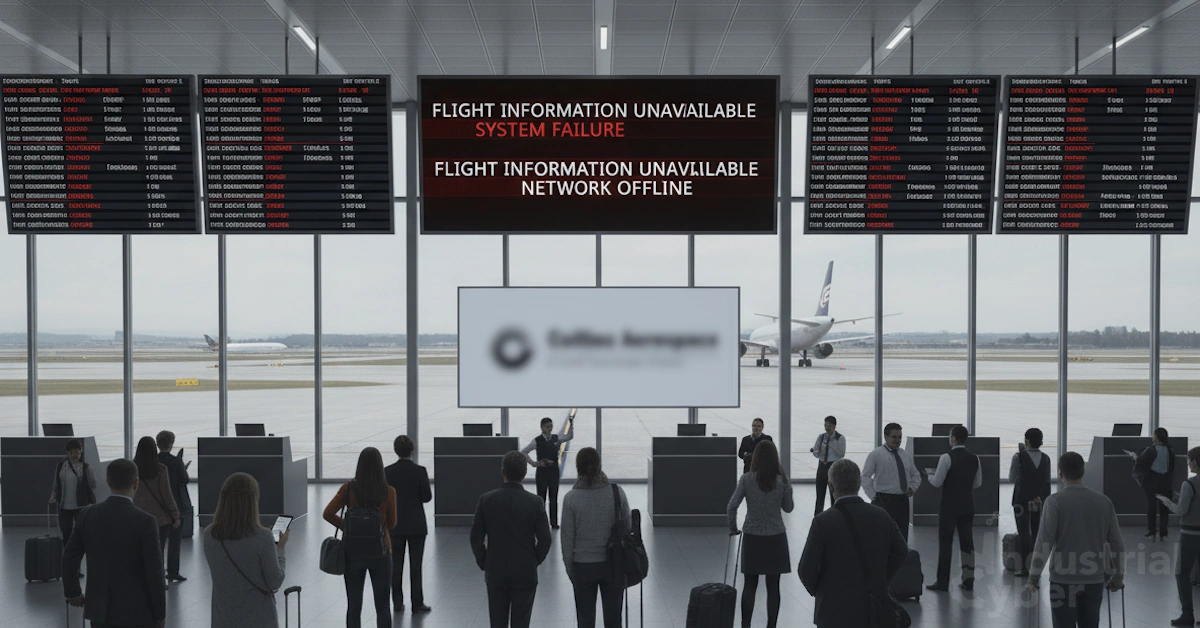
- A cyberattack on Collins Aerospace disrupted airline check-in and baggage systems across major European airports, including Heathrow, causing widespread delays and cancellations.
- The incident primarily affected electronic check-in and baggage handling, temporarily forcing manual operations, but was actively being addressed by the provider.
- Airports like Brussels and Berlin also experienced disruptions, with authorities cautioning travelers to verify flight statuses before heading to the airport.
- Experts highlight that such attacks exploit supply chain vulnerabilities, emphasizing the need for resilient, high-standard cybersecurity measures across all stakeholders to prevent systemic chaos.
The Issue
On Saturday, a cyberattack targeted Collins Aerospace, a company that provides critical check-in and baggage handling systems for major European airlines, leading to widespread disruptions at several airports, including London’s Heathrow, Brussels, and Berlin. The attack compromised the automated systems used for passenger check-in and baggage processing, forcing airports to revert to manual methods, which caused delays and cancellations. Heathrow officials and other airports confirmed the problem was due to a “cyber-related disruption” affecting Collins’ software, with authorities warning travelers to verify their flight statuses and arrive early. The incident is believed to have been carried out by hackers seeking to exploit vulnerabilities in the airline infrastructure supply chain, possibly motivated by financial gain or political motives, as cybercriminals often target high-profile infrastructure for maximum chaos and impact.
Experts warn that such cyberattacks highlight the fragile nature of interconnected systems in critical infrastructure, especially when third-party suppliers are involved. Cybersecurity specialists emphasize that attackers often exploit weak links in supply chains to cause widespread disruption, which not only affects flight schedules but also erodes public trust and disrupts national security. Although there are no indications of threats to Polish airports, the ongoing increase in cyberattacks – exacerbated by hostile nation-states targeting infrastructure and supply chains – underscores the urgent need for improved security standards, resilient infrastructure, and rigorous oversight of all technology partners involved in critical services. Reported by Anna Ribeiro, a seasoned journalist in security and cyber issues, the incident serves as a stark reminder that safeguarding digital infrastructure is vital to maintaining operational stability in the aviation sector.
Security Implications
A recent cyberattack on Collins Aerospace, the provider of check-in and baggage systems for major European airports, highlights significant risks to aviation infrastructure, as it disrupted electronic check-in and baggage handling at airports like Heathrow, Brussels, and Berlin, forcing reliance on manual processes and causing flight delays and cancellations. This incident underscores how reliance on interconnected digital systems creates vulnerabilities that can propagate rapidly, impacting entire flight schedules and operational logistics, while also revealing the strategic motives behind such attacks—ranging from financial extortion to political sabotage aimed at eroding public confidence and creating chaos in critical sectors. Experts warn that attackers often exploit weakest links in supply chains, emphasizing the need for heightened cybersecurity across all partners, as hostile nation-states increasingly weaponize cyber tools against vital infrastructure. The incident serves as a stark reminder that cyber resilience in transportation depends on comprehensive security measures, including rigorous third-party oversight, advanced encryption, and contingency planning, to prevent isolated breaches from triggering widespread operational collapse—an evolving threat with wide-reaching consequences for public safety, economic stability, and trust in critical national infrastructure.
Possible Next Steps
When a cyberattack cripples major transportation hubs like Heathrow and other European airports, prompt and effective remediation becomes critical to restore safety, ensure regulatory compliance, and prevent further disruption. Swift action minimizes economic loss, protects passenger data, and maintains public confidence in air travel systems.
Mitigation Steps
- Isolate affected systems to contain the breach
- Conduct immediate forensic analysis to identify attack vectors
- Implement strong, multi-layered cybersecurity measures
- Increase network monitoring for suspicious activity
- Notify relevant authorities and stakeholders
Remediation Steps
- Remove malicious code and restore affected services from backups
- Patch vulnerabilities exploited during the attack
- Review and update cybersecurity policies and protocols
- Communicate transparently with passengers and partners
- Conduct staff training on cybersecurity awareness
Stay Ahead in Cybersecurity
Discover cutting-edge developments in Emerging Tech and industry Insights.
Explore engineering-led approaches to digital security at IEEE Cybersecurity.
Disclaimer: The information provided may not always be accurate or up to date. Please do your own research, as the cybersecurity landscape evolves rapidly. Intended for secondary references purposes only.
Cyberattacks-V1
