

Essential Insights
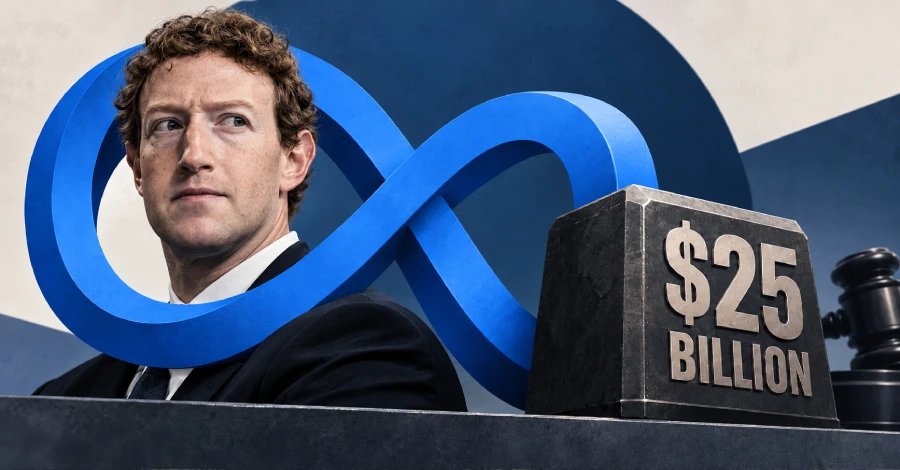
- A New Mexico court ordered Meta to pay $25 billion over privacy-law violations tied to the Cambridge Analytica scandal.
- The judge said Facebook falsely claimed users controlled their data; the ruling covers more than 43 million alleged violations.
- A quiz app used data from about 300,000 participants and their friends, exposing profiles of up to 87 million people.
- Meta plans to appeal; the company has also faced major privacy fines and settlements, including a $5 billion FTC penalty.
New Mexico court issues $25 billion penalty
A New Mexico court has ordered Meta to pay $25 billion after finding more than 43 million violations of the state’s consumer-protection law. The case focused on claims that Facebook misled users about how much control they had over their personal data.
The lawsuit followed the Cambridge Analytica scandal, which came to light in 2018. A quiz app collected information from about 300,000 Facebook users and also accessed data linked to their friends. The resulting dataset included profiles for as many as 87 million people.
Meta banned the app in 2015 and asked the consulting firm to delete the data. Still, the court found that the company’s privacy assurances did not match what happened. Meta says it will appeal the ruling.
Privacy protections remain a practical challenge
The case adds to earlier costs for Meta. The company agreed to a $725 million settlement in 2022 over claims tied to the data sharing, and it paid a $5 billion federal fine in 2019 over privacy practices. It has also reached a separate, broader settlement with most U.S. states and territories that includes payments and stronger child-safety measures.
For people who use social platforms every day, the dispute highlights a simple issue: sharing information with an app can affect others, too. Stronger privacy rules may make platforms safer, but companies must put those protections into practice without making services difficult to use.
As social media becomes part of how people communicate, learn, and take part in public life, clear choices about personal data matter. The ruling could also influence how platforms explain those choices and protect users in the future.
Stay Ahead with the Latest Tech Trends
Explore the future of technology with our detailed insights on Artificial Intelligence.
Access comprehensive resources on technology by visiting Wikipedia.
DataProtection-V1
