

Fast Facts
-
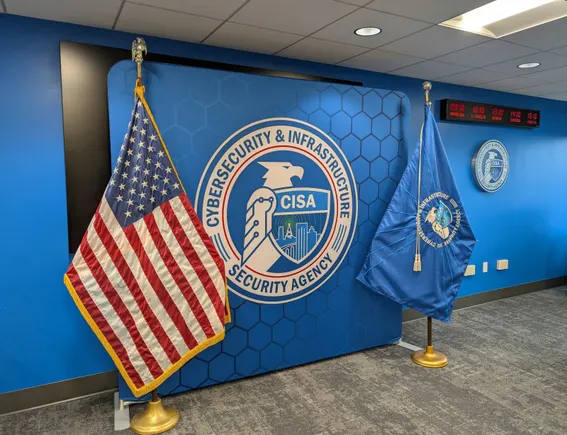
The Trump administration is significantly downsizing the Cybersecurity and Infrastructure Security Agency (CISA), resulting in 176 layoffs and forced relocations that threaten the agency’s effectiveness in countering cyber threats.
-
Layoffs primarily affect CISA divisions responsible for stakeholder engagement and critical infrastructure partnerships, while employees have been reassigned to less relevant roles, leading to reduced morale and a sense of instability within the agency.
-
Internal dissent is growing, with employees feeling "useless" and disconnected from their mission, as travel restrictions hinder their ability to build critical relationships with external partners.
- The ongoing changes, including reassignments and leadership voids, raise concerns among experts about the U.S.’s diminishing cyber defense capabilities in a rapidly evolving threat landscape.
Consequences of Workforce Reduction
Layoffs and reassignments at the Cybersecurity and Infrastructure Security Agency (CISA) pose serious risks to national security. The Trump administration’s strategy to downsize CISA has already led to 176 layoffs, primarily affecting teams focused on critical infrastructure and stakeholder engagement. Experts express concern that these cuts will diminish the agency’s ability to counter evolving cyber threats. A reduced workforce may struggle to provide necessary support to vital infrastructure organizations, leaving the U.S. less prepared for potential crises. As nation-state and criminal threats continue to advance in sophistication, the timing of these downsizing measures seems particularly detrimental.
Moreover, the agency’s forced relocations threaten employee morale and productivity. Many staff members must move great distances, often away from their established communities and support systems. The quick turnaround for these decisions aggravates the stress on employees, leading to feelings of insecurity and uncertainty about their future. For those ordered to leave their positions, the choice between relocation and resignation has proven arduous. Consequently, the overall environment within CISA has shifted from one of mission-driven collaboration to a state of anxiety and disengagement.
Implications for Cybersecurity Readiness
These developments raise significant questions about the effectiveness of U.S. cybersecurity efforts. Established to streamline governmental defense initiatives, CISA now faces considerable internal disruption. Many former employees fear that the skills and knowledge essential for effective cyber defense may be underutilized or lost. The reassignments often place personnel in roles mismatched to their expertise, greatly reducing their ability to contribute meaningfully.
As the landscape of cybersecurity threats continues to evolve, maintaining continuity and experience within agencies like CISA becomes critically important. Without experienced staff, the agency may struggle to adapt to challenges posed by increasingly sophisticated cyber attackers. Observers from within the cybersecurity community worry that these moves signal a reversal of hard-won progress in securing national cyber infrastructure. The overall integrity of U.S. cyber defenses hangs precariously in the balance.
Expand Your Tech Knowledge
Dive deeper into the world of Cryptocurrency and its impact on global finance.
Explore past and present digital transformations on the Internet Archive.
Cybersecurity-V1
