

Summary Points
1. The tourism industry relies heavily on digital platforms, making it a prime target for cyber threats such as data breaches, ransomware, and business logic attacks.
2. Major incidents like the Qantas data breach and attacks on airports highlight the critical need for robust cybersecurity measures to protect sensitive traveler information and maintain operational integrity.
3. Growing use of AI tools in travel planning introduces new vulnerabilities, including prompt injection and data manipulation, which criminals exploit for personal and financial gain.
4. Ensuring trust in travel requires layered security strategies, collaboration across industry stakeholders, and proactive defenses to safeguard customer data and sustain business resilience.
The Core Issue
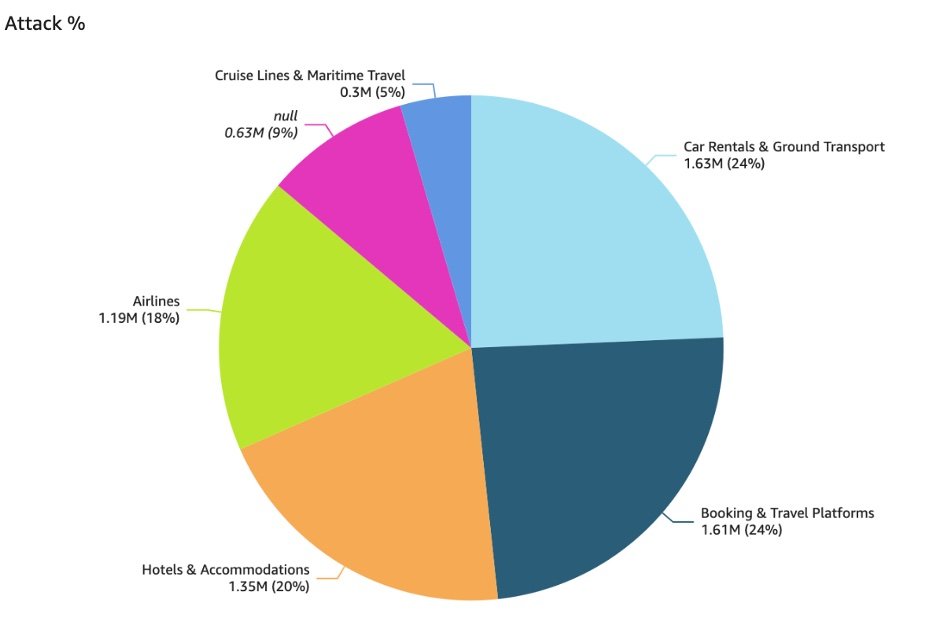
This weekend marks World Tourism Day, a celebration of worldwide travel and cultural connections, but it also highlights the growing cybersecurity threats faced by the tourism industry. As travel companies increasingly rely on digital platforms—from online booking apps to AI-driven trip planning—they have become prime targets for cybercriminals aiming to steal personal data, launch ransomware attacks, or exploit system vulnerabilities through sophisticated business logic attacks. Recent incidents, such as the theft of over 6 million customer records from Qantas and a ransomware attack on Malaysia’s Kuala Lumpur airport that halted operations for hours, demonstrate the devastating impact these breaches can have on both travelers and companies. These cyber threats are driven by attackers exploiting weak points in the industry’s digital infrastructure, including misconfigured databases, vulnerable AI tools, and complex online booking systems, with industry insiders and cybersecurity experts warning that the frequency and sophistication of such attacks continue to escalate—emphasizing the urgent need for resilient, layered security measures to protect travelers’ data and maintain trust in a rapidly evolving digital landscape.
Reported by cybersecurity analysts and industry experts, these incidents expose how the tourism sector’s digital transformation, while enhancing convenience, has also expanded attack surfaces for malicious actors. High-profile breaches and ransomware campaigns threaten not only financial stability—potentially costing millions in ransom payments and damage control—but also tarnish the reputation of travel brands and erode customer confidence. With attacks increasing daily—averaging over 420,000 AI-driven threats each month—industry stakeholders emphasize that securing the travel ecosystem requires proactive strategies, including robust backup systems, anomaly detection, and collaborative efforts across airlines, hotels, and regulators. Ultimately, maintaining trust in this interconnected global industry hinges on safeguarding digital pathways, ensuring that travelers can explore the world confidently and securely this World Tourism Day and beyond.
Critical Concerns
As the tourism industry embraces digital transformation to enhance traveler experiences, it concurrently faces a surge in sophisticated cyber risks with profound impacts; data breaches threaten personal and financial information, exemplified by recent incidents involving millions of stolen records, leading to identity theft, loss of consumer trust, and hefty regulatory fines. Ransomware attacks have increased dramatically, paralyzing airports, airlines, and hotels, causing operational shutdowns, revenue loss, and forcing costly ransom payments that erode profitability. The proliferation of business logic and bot attacks exploits system vulnerabilities—such as fraudulent bookings and price scraping—undermining revenue and customer confidence. Meanwhile, AI-driven threats, including manipulated chatbots and automated social engineering, amplify attack volumes and complexity, risking misinformation and data poisoning. Collectively, these cyber threats jeopardize not only financial stability but also the reputation and regulatory standing of travel companies, emphasizing the urgent need for layered security, proactive defenses, and industry-wide collaboration to preserve trust in the digital age of global travel.
Possible Remediation Steps
Effective and prompt remediation is critical in the tourism industry to minimize damage, protect traveler data, and ensure continuous service, thereby maintaining trust and safeguarding reputation.
Mitigation Strategies:
-
Vulnerability Assessment: Regularly evaluate systems for weaknesses.
-
Employee Training: Educate staff on cybersecurity best practices and phishing awareness.
-
Patch Management: Apply security updates promptly to fix known vulnerabilities.
- Access Controls: Restrict system access based on roles to limit potential breach points.
Remediation Steps:
-
Incident Response Plan: Develop and routinely update a clear response strategy.
-
Containment Measures: Isolate compromised systems swiftly to prevent spread.
-
Data Restoration: Backup and restore data securely after breaches.
- Communication: Transparently inform stakeholders and customers about incidents and responses.
Preventive Measures:
-
Robust Firewall and Antivirus: Implement strong defenses against external threats.
-
Multi-Factor Authentication: Enforce additional verification for system access.
- Regular Audits: Conduct ongoing security audits to identify emerging vulnerabilities.
Continual Improvement:
-
Threat Monitoring: Use advanced tools to monitor for emerging threats continuously.
-
Legal Compliance: Stay up-to-date with cybersecurity laws and regulations to avoid penalties.
- Collaborations: Partner with cybersecurity experts and industry groups for shared intelligence and resources.
Advance Your Cyber Knowledge
Discover cutting-edge developments in Emerging Tech and industry Insights.
Explore engineering-led approaches to digital security at IEEE Cybersecurity.
Disclaimer: The information provided may not always be accurate or up to date. Please do your own research, as the cybersecurity landscape evolves rapidly. Intended for secondary references purposes only.
Cyberattacks-V1
