

Summary Points
- The US imposed sanctions on 19 entities and individuals in Burma and Cambodia linked to large-scale cyber scam hubs, targeting operations that exploit vulnerabilities of Americans online and generate over $10 billion in losses annually.
- These scam centers, often operating near the Burma-Thailand border, are linked to cash-intensive crimes like virtual currency investment scams, gambling, and drug trafficking, with key figures controlling property and organizations supporting these illicit activities.
- Victims are frequently coerced into participating through forced labor, debt bondage, violence, and threats, highlighting modern slavery issues intertwined with cybercrime in Southeast Asia.
- The sanctions aim to disrupt the operations of these criminal networks, protecting Americans from fraud, forced labor, abuse, and theft, while targeting the infrastructure and leadership of scam centers across the region.
What’s the Problem?
On Monday, U.S. federal authorities imposed sanctions on 19 individuals and organizations linked to extensive cyber scam networks operating primarily in Burma and Cambodia. These criminal groups exploit vulnerable victims—both Americans and locals—by running sophisticated online fraud schemes involving virtual currencies, which have caused Americans to lose an estimated $10 billion in 2024 alone, marking a sharp 66% increase from the previous year. In some cases, these operations coerce workers through debt bondage, violence, and threats, often turning them into victims of modern slavery while they help perpetuate scams via messaging apps and texts. Key targets include organizations within Burma’s border regions, notably near Thailand, where local leaders like She Zhijang and Saw Chit Thu have transformed small villages into hubs for gambling, prostitution, drug trafficking, and scam centers, with some controlling property tied to these illicit activities.
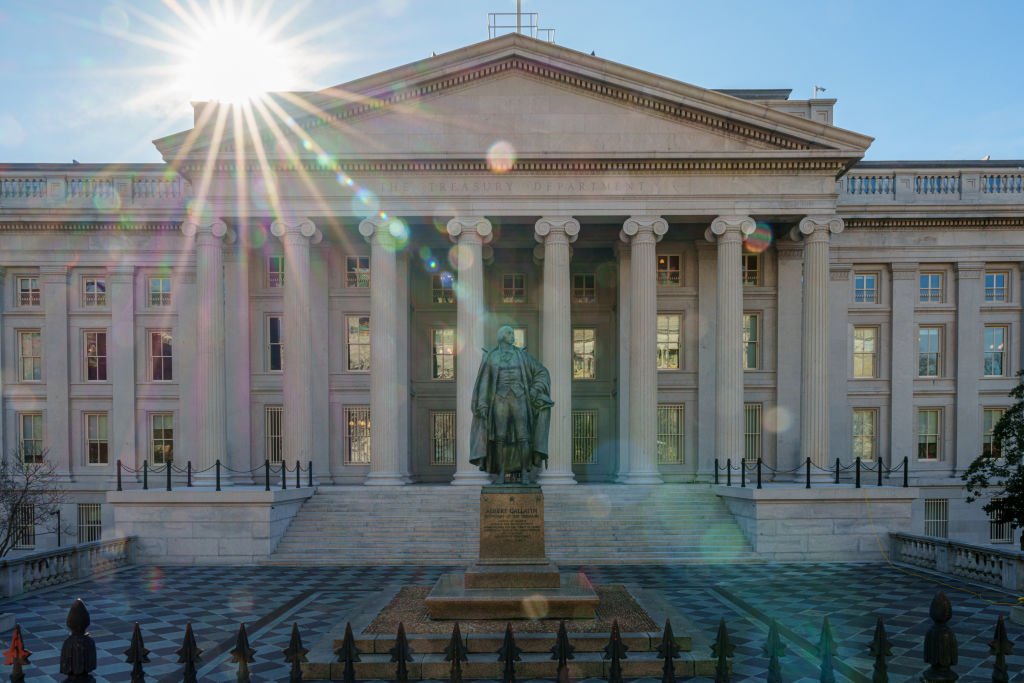
The sanctions reveal a deeper complicity among various local figures and organizations, with authorities implicating leaders such as Tin Win and Saw Min Min Oo for controlling properties and supporting scam operations. Similar actions target entities in Cambodia involved in forced labor and investment scams that target victims across multiple continents, including the U.S., Europe, and China. Officials like Secretary of State Marco Rubio and Treasury Under Secretary John K. Hurley emphasize that these cybercrime networks not only threaten financial security but also perpetuate human trafficking and abuse, and the sanctions aim to dismantle these operations by disrupting their ability to operate—ultimately protecting American consumers from falling prey to this pervasive online threat.
What’s at Stake?
Recent actions by U.S. federal authorities highlight the severe cyber risks emanating from Southeast Asia, where criminal networks operate extensive scam centers in Burma and Cambodia, causing devastating financial and social repercussions. These malicious operations exploit vulnerabilities in online ecosystems, targeting Americans by orchestrating sophisticated virtual currency investment scams, which resulted in an estimated $10 billion loss in 2024—a sharp 66% surge from the previous year. Behind the scenes, these gangs abuse vulnerable workers, subjecting them to forced labor, debt bondage, and violence, effectively perpetuating modern slavery. Sanctions against key figures and organizations—particularly in Burma’s Shwe Kokko hub, controlled by the Karen National Army, and Cambodia’s scam operations—serve to disrupt these criminal infrastructures. The impact extends beyond financial theft, threatening public safety, fostering organized crime, and undermining trust in digital platforms, while also highlighting the proactive efforts needed to combat the intertwined issues of cybercrime, human trafficking, and transnational organized crime.
Possible Remediation Steps
Addressing the rapidly evolving landscape of financial crime requires swift and strategic intervention to prevent further harm and uphold global financial integrity. The Treasury Department’s targeted sanctions against Southeast Asia scam hubs highlight the urgent need for effective mitigation and remediation measures.
Strengthening Regulations
Implement more rigorous oversight of financial and digital institutions operating in or with Southeast Asian regions to detect and prevent illicit activities early.
Enhancing Intelligence Sharing
Foster international cooperation and information exchange among law enforcement, financial institutions, and regulators to identify scam operations promptly.
Increasing Public Awareness
Run educational campaigns to inform the public about common scam tactics and encourage cautious financial behavior to reduce victimization.
Expanding Technical Capabilities
Invest in advanced monitoring tools and analytics to detect suspicious transactions swiftly and accurately.
Imposing Sanctions and Penalties
Utilize targeted sanctions against individuals, entities, and facilitators involved in scam hubs to disrupt operations and deter future misconduct.
Supporting Victims
Provide support services and guidance to scam victims to recover losses and prevent further exploitation.
Conducting Continuous Assessments
Regularly review and update policies based on emerging scam techniques and intelligence to maintain an effective response framework.
Advance Your Cyber Knowledge
Stay informed on the latest Threat Intelligence and Cyberattacks.
Access world-class cyber research and guidance from IEEE.
Disclaimer: The information provided may not always be accurate or up to date. Please do your own research, as the cybersecurity landscape evolves rapidly. Intended for secondary references purposes only.
Cyberattacks-V1
