

Essential Insights
- The Police National Legal Database (PNLD) experienced a breach exposing police, government, and customer contact details on the dark web, with no evidence of passwords or credentials compromise.
- The breach potentially stems from misconfigured Power Pages portals utilizing Microsoft Power Platform, granting broad anonymous access to sensitive data.
- Authorities, including the NCA and ICO, are investigating the incident, which they haven’t yet quantified in terms of affected individuals or total data loss.
- Experts recommend reviewing Power Pages permissions and security settings to prevent further unauthorized data exposure, although the exact breach method remains unconfirmed.
Data Breach Exposes Sensitive Contact Details on the Dark Web
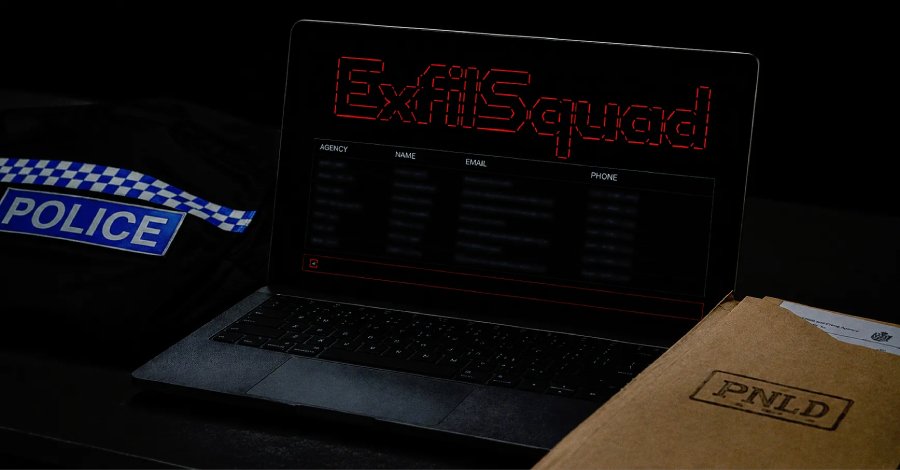
A recent security breach involving the Police National Legal Database (PNLD) has raised concerns. According to PNLD, criminal justice officials, police staff, government partners, and some citizens had their contact details exposed. This information, including names and work email addresses, was published on the dark web, a hidden part of the internet used by malicious actors. Although PNLD stated that passwords and other security credentials remain safe, the exposure of contact info could lead to targeted phishing attacks. Affected users received guidance, and authorities are working with cybersecurity experts and law enforcement to address the issue. As of now, the scope of the breach remains unclear, including how many individuals were affected or how the data was accessed.
Understanding How the Breach Occurred and Its Implications
The breach was linked to vulnerabilities in the platform PNLD uses for its operations, primarily Microsoft Power Platform technology. Experts investigating the incident suggest that weak access controls on public web pages might have allowed unauthorized individuals to view sensitive data. Specifically, the breach could have resulted from misconfigured permissions on Power Pages, a tool that enables public data access. Microsoft provides controls to prevent such unauthorized access, but these settings need proper configuration. While no definitive cause has yet been confirmed, cybersecurity analysts emphasize Regularly reviewing permission settings and validating access controls. Moving forward, transparency about the extent of the breach and steps to prevent future incidents will be critical in restoring trust and protecting sensitive data.
Stay Ahead with the Latest Tech Trends
Stay informed on the revolutionary breakthroughs in Quantum Computing research.
Access comprehensive resources on technology by visiting Wikipedia.
DataProtection-V1
