

Fast Facts
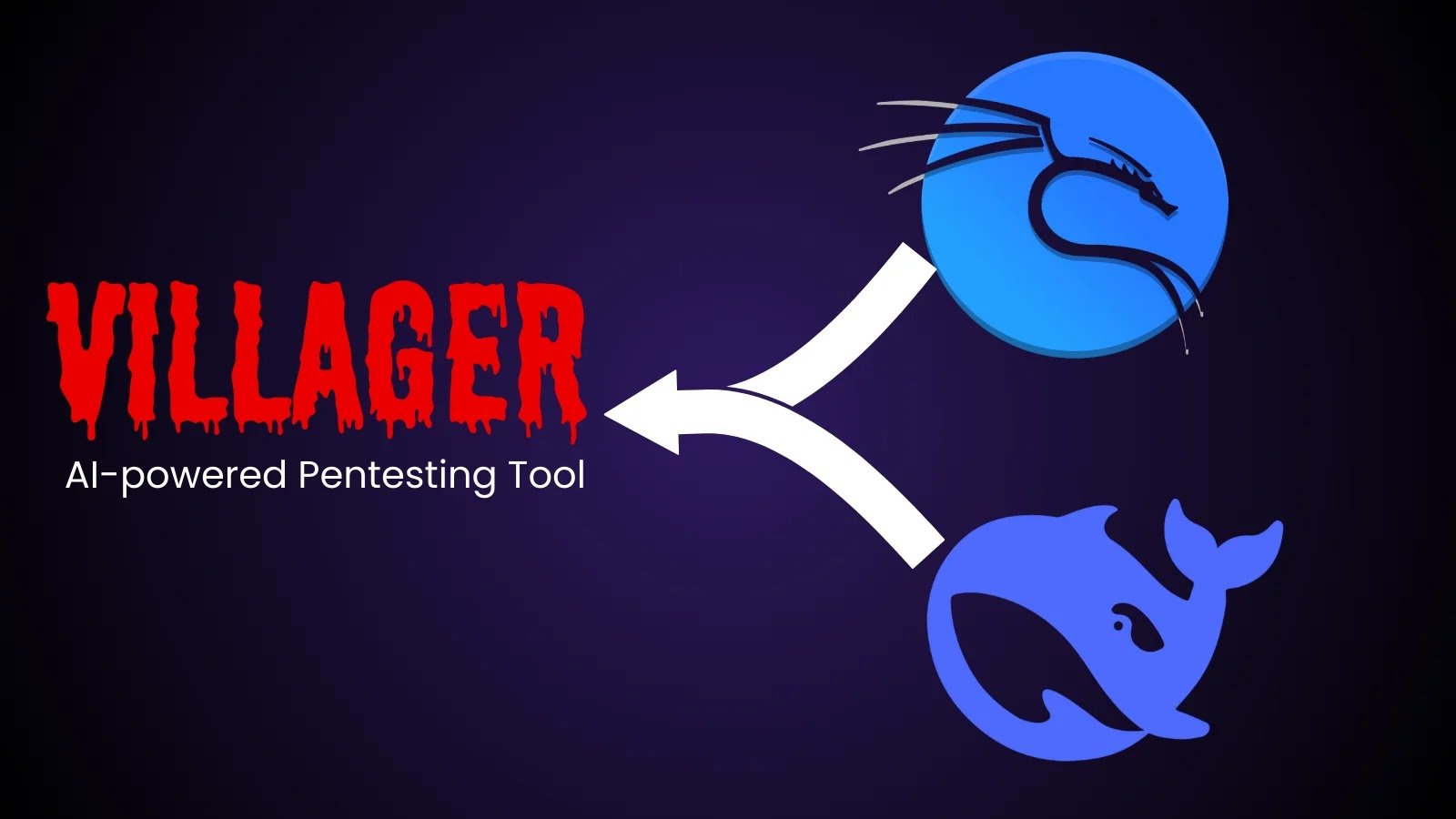
- Villager is an AI-powered, fully automated penetration testing framework combining Kali Linux tools with DeepSeek AI models, capable of dynamic, multi-stage cyberattacks with minimal detection.
- Developed by the dubious Chinese group Cyberspike, it has rapidly gained popularity since July 2025, raising alarms due to its ability to evade forensic detection through container self-destruction and randomized ports.
- Villager converts natural language commands into complex attack routines, enabling less-skilled actors to conduct advanced intrusion campaigns with real-time adaptability, web automation, and system-level control.
- Its proliferation on the Python Package Index and integration with legitimate development infrastructure pose severe security risks, prompting recommendations for deploying specialized security gateways to monitor and filter AI-driven attack activities.
What’s the Problem?
In July 2025, a new AI-powered cyberattack framework called Villager was released on the Python Package Index, quickly gaining over 10,000 downloads in just two months. Developed by the Chinese-based group Cyberspike, Villager combines advanced Kali Linux toolsets with DeepSeek AI models to automate complex hacking operations, making it accessible to less-skilled threat actors. This tool operates as a distributed, AI-driven system that can conduct multi-stage, autonomous attacks by interpreting natural language commands, dynamically adjusting its strategies based on target system characteristics, and creating temporary Kali Linux environments that wipe logs after 24 hours, making detection nearly impossible. Researchers from Straiker’s AI Research (STAR) have reported this development, warning that Villager’s ability to evade forensic analysis could accelerate malicious cyber activity, especially as it resembles other notorious tools like AsyncRAT, but with far greater automation and deception capabilities. The report highlights concerns over its origins, noting Cyberspike’s murky legitimacy, and emphasizes the critical need for organizations to adopt enhanced security measures such as real-time traffic inspection to counter this emerging threat.
Risks Involved
The emergence of Villager, an AI-powered penetration testing framework that integrates Kali Linux tools with DeepSeek AI models, signifies a major escalation in cyber risk, transforming from a legitimate security testing tool into a potent weapon for malicious actors. Its highly automated, AI-driven architecture permits complex, multi-stage cyber attacks that can evade detection—via transient containers, randomized ports, and logs self-destruct mechanisms—posing significant challenges for incident response and forensic analysis. By converting simple natural language commands into adaptive attack sequences, Villager enables less-skilled threat actors to conduct sophisticated intrusions rapidly, amplifying the threat landscape with increased scanning, faster attack cycles, and more elusive malicious activities. Its widespread availability on the Python Package Index, combined with its integration into existing development ecosystems, raises profound concerns about supply-chain vulnerabilities and the proliferation of AI-enhanced cyber threats, urging organizations to bolster defenses through real-time inspection and targeted security protocols.
Possible Actions
Ensuring rapid remediation for vulnerabilities detected by the AI-powered pentesting tool Villager is crucial to prevent potential exploitation, safeguard sensitive data, and maintain system integrity in an increasingly automated and interconnected digital landscape.
Mitigation Strategies
Patch Management
Regularly update and patch all software components, including Kali Linux tools and DeepSeek AI modules, to fix known vulnerabilities as soon as they are identified.
Access Controls
Implement strict access controls and multi-factor authentication to restrict who can operate or modify the tool, reducing the risk of insider threats and accidental misuse.
Network Segmentation
Segment networks to isolate critical assets from less secure areas, limiting the potential impact if the tool detects or exploits a vulnerability.
Monitoring & Alerts
Deploy continuous monitoring systems and real-time alerts to rapidly identify unusual activity or breaches resulting from vulnerabilities.
User Training
Provide comprehensive training to security teams on best practices for using AI-powered pentesting tools responsibly and recognizing signs of compromise.
Regular Audits
Conduct periodic security audits and vulnerability assessments to ensure the effectiveness of remediation efforts and detect new or overlooked issues promptly.
Backup & Recovery
Maintain up-to-date backups and establish recovery plans to restore systems swiftly if an exploit occurs.
Explore More Security Insights
Discover cutting-edge developments in Emerging Tech and industry Insights.
Access world-class cyber research and guidance from IEEE.
Disclaimer: The information provided may not always be accurate or up to date. Please do your own research, as the cybersecurity landscape evolves rapidly. Intended for secondary references purposes only.
Cyberattacks-V1
