

Summary Points
- Wayne Memorial Hospital was targeted by the Monti ransomware group in a cyberattack from May 30 to June 3, 2024, leading to the exfiltration and encryption of patient data.
- The breach affected 163,400 patients, with compromised data including personal, medical, and payment information, and was publicly posted on the attacker’s leak site.
- The hospital detected the attack, disconnected the network, did not pay the ransom, and recovered data from backups, while enhancing cybersecurity measures to prevent future incidents.
- Notifications to affected individuals began in August 2025, with free credit monitoring offered, though the breach’s scope was initially underestimated, impacting more than 2,500 people.
Underlying Problem
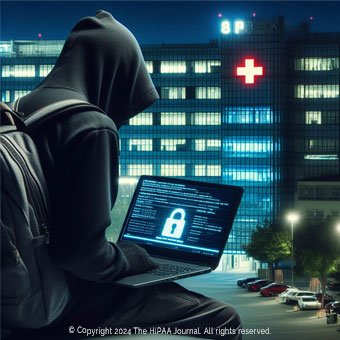
In September 2025, Wayne Memorial Hospital, a small rural facility in Jessup, Georgia, revealed that it had fallen victim to a ransomware attack more than a year earlier, in late May 2024. The cybercriminal group Monti had gained access to the hospital’s network, exfiltrated sensitive patient data—including Social Security numbers, medical histories, and financial information—and encrypted parts of the system. When the breach was discovered, the hospital responded swiftly by disconnecting its network and recovering data from backups, refusing to pay the ransom. Despite these efforts, the hackers added the hospital’s data to their leak site, which garnered nearly 300,000 views before being taken down. The hospital’s reports indicate that the breach affected more people than initially believed, with notifications sent to over 163,000 patients only in August 2025, well after the incident was first acknowledged. Patients were offered free credit monitoring, and the hospital has since enhanced its cybersecurity measures to prevent future attacks. The incident was initially reported to authorities as impacting around 2,500 individuals but was later found to be much broader in scope, though exact updated figures have yet to be publicly released by federal regulators.
What’s at Stake?
The cyber risk posed by ransomware attacks can have profound and far-reaching consequences, as exemplified by the recent breach at Wayne Memorial Hospital, where hackers accessed sensitive patient data over a period of five days, exfiltrating and encrypting information that included personal identifiers, financial details, and medical records. Despite swift containment and recovery efforts—such as disconnecting affected systems and restoring data from backups—the incident exposed the vulnerabilities in healthcare cybersecurity, highlighting the potential for extensive data theft, identity theft, and erosion of patient trust. The attack not only compromised the privacy of over 163,000 individuals but also underscored the high stakes for healthcare providers, who must invest in stronger defenses and rapid response strategies to mitigate the substantial financial, legal, and reputational impacts associated with such breaches. This event serves as a stark reminder that cyber threats, particularly ransomware, are rapidly evolving and pose significant risks to patient safety, data integrity, and organizational resilience within the healthcare sector.
Possible Actions
Remaining vigilant and acting swiftly in response to the Wayne Memorial Hospital ransomware notification is vital to minimize patient harm, preserve trust, and prevent further security breaches. Prompt remediation helps contain the attack, restore systems efficiently, and protect sensitive patient data from lasting damage.
Mitigation Strategies:
- Isolate infected systems immediately to prevent spread.
- Disable affected network segments to contain the threat.
- Update and reinforce security software and firewalls.
Remediation Steps:
- Conduct a thorough forensic investigation to identify breach points.
- Restore compromised data from secure backups.
- Notify and cooperate with cybersecurity authorities and law enforcement.
- Review and strengthen cybersecurity policies and staff training.
- Communicate transparently with patients regarding data security and protective steps.
Stay Ahead in Cybersecurity
Explore career growth and education via Careers & Learning, or dive into Compliance essentials.
Explore engineering-led approaches to digital security at IEEE Cybersecurity.
Disclaimer: The information provided may not always be accurate or up to date. Please do your own research, as the cybersecurity landscape evolves rapidly. Intended for secondary references purposes only.
Cyberattacks-V1
