

Top Highlights
-
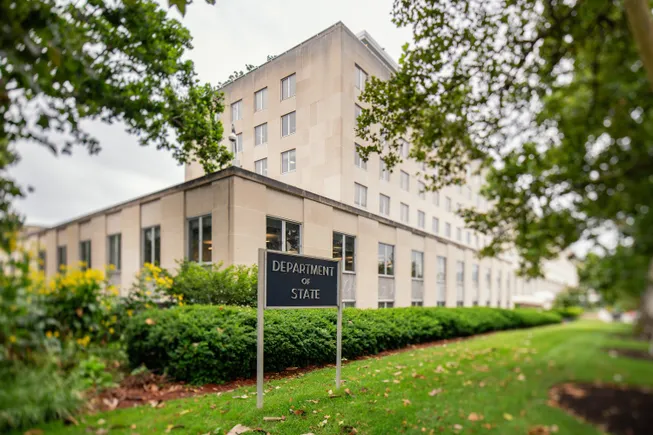
The U.S. State Department dismantled its Bureau of Cyberspace and Digital Policy (CDP), firing key experts, which could weaken efforts against cyber threats from nations like Russia and China.
-
Experts warn that this reorganization will hinder U.S. cyber diplomacy and international collaboration, making the country more vulnerable and less effective in addressing global cybersecurity challenges.
-
The changes include relocating crucial divisions into lower-priority offices, reducing their influence and capacity to respond to cyberattacks and coordinate international cybersecurity policies.
- Critics believe the restructuring undermines U.S. cyber norms and reduces digital solidarity, jeopardizing efforts to secure critical infrastructure and protect American interests on the global stage.
State Department Reorganization Undermines Cybersecurity Efforts
The recent firings and restructuring within the U.S. State Department’s Bureau of Cyberspace and Digital Policy (CDP) have raised alarm among cybersecurity experts. On July 11, the State Department terminated between nine and eleven diplomats and specialists, aiming to dismantle a bureau that has been crucial for coordinating international cyberdefense. Critics argue this disassembly weakens the United States’ capacity to combat cyber threats from state-sponsored actors, particularly in nations like China and Russia. By sidelining experienced diplomats and experts, the U.S. risks losing its leadership in global cyber norms and response strategies.
Furthermore, separating key divisions within cyber diplomacy hinders strategic collaboration. For instance, the International Cyberspace Security division will merge into a new Bureau of Emerging Threats, diluting focus on pressing cybersecurity issues. Experts emphasize that cyber threats are not emerging; they are an existing crisis requiring immediate and coherent action. This fragmentation can lead to inefficiencies, with different teams potentially working at cross purposes. The consequences could be dire, leaving vital U.S. sectors, such as energy and telecommunications, more vulnerable to attacks.
Impact on International Cyber Norms
The changes to the cyber diplomacy structure pose significant risks for U.S. interests abroad. Experts warn that the dismantling of CDP will slow down efforts to negotiate international agreements aimed at protecting digital infrastructure. As adversaries exploit this disarray, the U.S. may find it increasingly challenging to advocate for technical standards in multilateral settings. Moreover, the disruption will likely erode collaboration with allies necessary for building a resilient global cyber landscape.
By failing to maintain a strong, unified cyber diplomatic presence, the U.S. sends the wrong message to both allies and adversaries alike. As the digital sphere grows more perilous, dismantling the apparatus designed for collective security may embolden malicious actors and create greater risks for American interests. The urgency for coherent cyber diplomacy has never been clearer, and the current actions appear misguided in the face of escalating cyber threats.
Continue Your Tech Journey
Stay informed on the revolutionary breakthroughs in Quantum Computing research.
Discover archived knowledge and digital history on the Internet Archive.
Cybersecurity-V1
