

Summary Points
- Over 30 water systems in Minnesota were targeted by cyberattacks, with authorities yet to identify the responsible party, amid concerns about Iranian hackers’ focus on such critical infrastructure.
- These attacks involved malicious activity on remote monitoring and control technology, but did not cause widespread water supply disruptions; some cities temporarily asked residents to conserve water.
- Experts suggest Iran’s involvement is likely, citing its history of targeting U.S. water infrastructure and geopolitical motivations.
- The incident highlights vulnerabilities in local water systems, which often lack resources for robust cybersecurity measures, making them attractive targets for digital warfare.
[gptA technology journalist, write a short news story divided in two subheadings, at 12th grade reading level about ‘Cyberattacks targeted Minnesota water systems’in short sentences using transition words, in an informative and explanatory tone, from the perspective of an insightful Tech News Editor, ensure clarity, consistency, and accessibility. Use concise, factual language and avoid jargon that may confuse readers. Maintain a neutral yet engaging tone to provide balanced perspectives on practicality, possible widespread adoption, and contribution to the human journey. Avoid passive voice. The article should provide relatable insights based on the following information ‘
Authorities were working Thursday to find the source of cyberattacks that targeted over 30 water systems in Minnesota and came amid warnings that Iranian hackers have been focused on such systems.
Minnesota IT Services said state officials had yet to identify who was behind the attacks that took place Sunday and Monday. There were no reports that residents had been impacted by the attacks, though one city asked residents to conserve water for a couple hours while they tried to determine what was wrong.
The FBI, which is investigating, has not publicly identified a culprit and a spokesperson declined to say Thursday who the bureau thought might be responsible. The FBI, Cybersecurity and Infrastructure Security Agency and other agencies warned in an advisory last week that Iranian hackers have been targeting water and wastewater systems and the operational controls other critical infrastructure sectors.
Digital warfare has become ingrained in military conflict, and local water plants or healthcare facilities often lack the funds and know-how to install the latest software patches or take other security steps. That has made them a favorite target, both because of the relative ease of penetrating them and because of the panic such disruptions can cause.
Iran has the “geopolitical motivations” and a recent history of targeting water systems, said Cynthia Kaiser, the former deputy assistant director of the FBI’s cyber division who has been closely monitoring threats to critical infrastructure from hackers linked to the country.
“I think most credible researchers and responders would be right to treat it like it’s Iran until proven otherwise,” added Kaiser, who is now the senior vice president of Halcyon’s Ransomware Research Center. “When it walks like a duck and talks like a duck, it’s really important to call it out.”
Iran’s interest in the operations of water systems inside the U.S. dates back years. In 2016, the Justice Department charged a group of Iranian hackers in connection with a cyberattack targeting a small dam near New York City.
Minnesota IT Services said that as of Thursday, there were no active requests from Minnesota communities for residents to modify usage of their drinking water. The state agency said most of the confirmed attacks involved technology that water systems use to remotely monitor and control equipment. It said that being impacted meant investigators confirmed there was malicious activity involving the system’s technology and didn’t mean every impacted community had their water service disrupted.
The state agency said there are similarities among the incidents, including timing and the types of technology used, but investigators haven’t determined if the same culprit was behind each one.
For a few hours on Monday, the city of Braham asked residents to minimize water use as they tried to determine why the water plant was offline. The city of about 1,700 people, located about 70 miles (113 kilometers) north of Minneapolis, said in a news release that the water plant outage was due to a cyberattack, but it didn’t cause any issue with water quality.
The city said the attackers shut down the operating controls that shut down the well and water treatment plant. That left the city for a time only able to provide residents with the water held in the water tower.
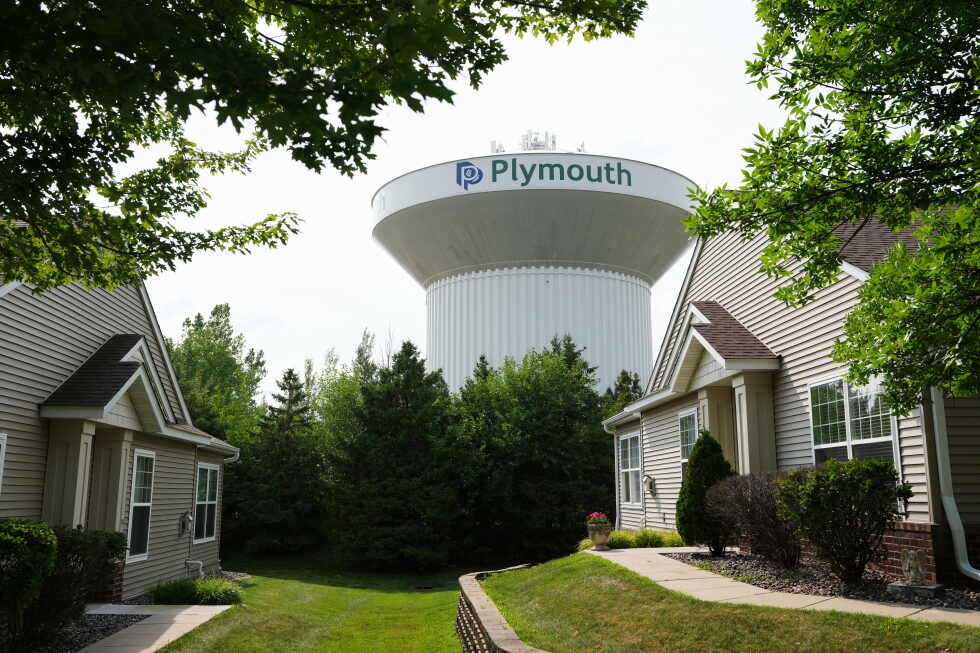
In Plymouth, a city of about 80,000 located outside of Minneapolis, officials said on social media that their water infrastructure communications had been restored by Tuesday afternoon following a cyberattack. The city said crews were able to continue operating the system during the outage and it didn’t have any impact on water levels or quality.
‘. Do not end the article by saying In Conclusion or In Summary. Do not include names or provide a placeholder of authors or source. Make Sure the subheadings are in between html tags of
[/gpt3]
Expand Your Tech Knowledge
Dive deeper into the world of Cryptocurrency and its impact on global finance.
Discover archived knowledge and digital history on the Internet Archive.
Cybercrime-V1
