

Quick Takeaways
- Microsoft and Cloudflare seized 338 domains of RaccoonO365, a phishing tool that stole 5,000+ Microsoft 365 credentials globally since July 2024, disrupting its operations.
- RaccoonO365, marketed via subscription, enables cybercriminals with minimal skills to conduct large-scale phishing and credential theft, using legitimate tools like Cloudflare’s CAPTCHA.
- The threat actor, identified as Joshua Ogundipe from Nigeria, sold subscriptions worth over $100,000, with authorities tracking him, although he remains at large.
- The takedown marks a strategic shift to proactive disruption, aiming to increase operational costs for cybercriminals and warn others against abusing infrastructure for attacks.
What’s the Problem?
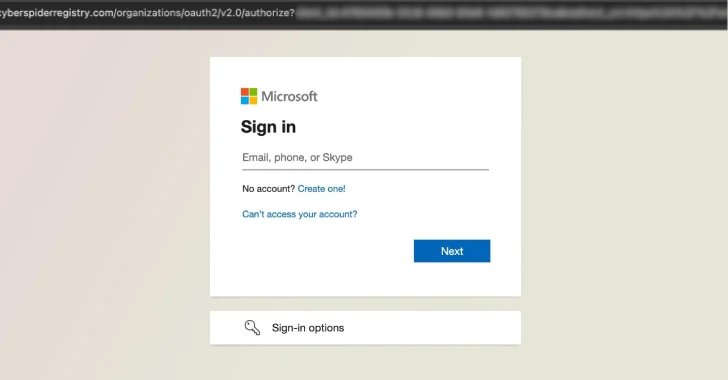
In a coordinated effort led by Microsoft’s Digital Crimes Unit (DCU) and Cloudflare, a major cybercrime network known as RaccoonO365 was dismantled, resulting in the seizure of 338 domains linked to this illicit operation. RaccoonO365 was a phishing-as-a-service (PhaaS) toolkit used by cybercriminals to steal over 5,000 Microsoft 365 login credentials across 94 countries since July 2024. The platform allowed subscribers—ranging from casual offenders to serious criminals—to launch large-scale phishing campaigns by mimicking trusted brands like Microsoft, Adobe, and others in convincing emails, often bypassing security tools with features like CAPTCHA and bot detection. The scheme, run by Nigerian-based Joshua Ogundipe and his associates, had reportedly earned more than $100,000 from about 200 subscriptions.
The takedown, initiated on September 2, 2025, involved shutting down the associated domains, deploying warning pages, and disrupting the technical infrastructure that supported these malicious campaigns. The operation was prompted by Microsoft’s intelligence, which traced the group’s activities back to operational security lapses—specifically an exposed cryptocurrency wallet—which helped identify Ogundipe and his team. While Ogundipe remains at large, authorities have submitted a criminal referral to international law enforcement, emphasizing the attacker’s use of sophisticated tools to target organizations—especially in U.S. healthcare—by deploying phishing emails that exploited common themes like tax scams and using advanced techniques, including AI-powered services, to increase attack effectiveness. Cloudflare notes that this large-scale disruption aims to hinder similar cybercriminal activities and serve as a warning to actors abusing its infrastructure.
What’s at Stake?
Cyber risks such as those posed by RaccoonO365 exemplify how even seemingly simple tools can generate widespread damage by enabling cybercriminals to conduct mass phishing and credential theft campaigns with minimal technical skill. The operation’s use of sophisticated tactics—leveraging legitimate services like Cloudflare for hosting and security measures to evade detection—highlight how cybercriminals exploit trusted online infrastructure to carry out targeted attacks on organizations globally. The repercussions include substantial financial losses, compromised sensitive data, and erosion of trust in digital systems, with over 2,300 US organizations, including healthcare providers, being vulnerable to malware, ransomware, and data breaches. The threat is compounded by the accessibility of these malicious services—offering subscriptions at hundreds of dollars—making sophisticated cybercrime scalable and democratized. High-profile takedowns by cybersecurity firms and law enforcement underscore both the severity of these threats and the ongoing battle to dismantle such cybercriminal networks, emphasizing the urgent need for robust detection, proactive disruption, and international cooperation to mitigate the profound impact risks like RaccoonO365 can have on critical digital and physical infrastructure.
Possible Actions
Early and effective remediation is crucial in addressing the RaccoonO365 phishing network, especially since it involves the dismantling of a widespread malicious infrastructure by major players like Microsoft and Cloudflare. Prompt action can prevent further damage, protect sensitive information, and restore trust in affected systems.
Mitigation Strategies
Identify & Block
Quickly identify malicious domains and IP addresses associated with the phishing network, then block them across organizational firewalls, email filters, and security tools to prevent ongoing attacks.
Scan & Quarantine
Conduct thorough malware and phishing scans on all endpoints, email systems, and cloud services, and quarantine any compromised files or accounts to stop the spread of malicious payloads.
Notify & Educate
Inform employees and users about the phishing threat, providing guidance on recognizing suspicious communications and avoiding compromised links to reduce the risk of successful phishing attempts.
Reset & Secure
Force password resets for affected accounts, enable multi-factor authentication (MFA), and review access permissions to strengthen account security against future intrusions.
Review & Patch
Analyze vulnerabilities exploited by the attackers, applying necessary security patches and updates to all systems to close exploit pathways.
Monitor & Respond
Implement continuous monitoring for unusual activity or indicators of compromise, and prepare incident response plans to swiftly counter any residual or subsequent threats.
Report & Collaborate
Work with cybersecurity authorities and industry partners to share intelligence, report breaches, and collaboratively improve defenses against similar future attacks.
Continue Your Cyber Journey
Discover cutting-edge developments in Emerging Tech and industry Insights.
Access world-class cyber research and guidance from IEEE.
Disclaimer: The information provided may not always be accurate or up to date. Please do your own research, as the cybersecurity landscape evolves rapidly. Intended for secondary references purposes only.
Cyberattacks-V1
