

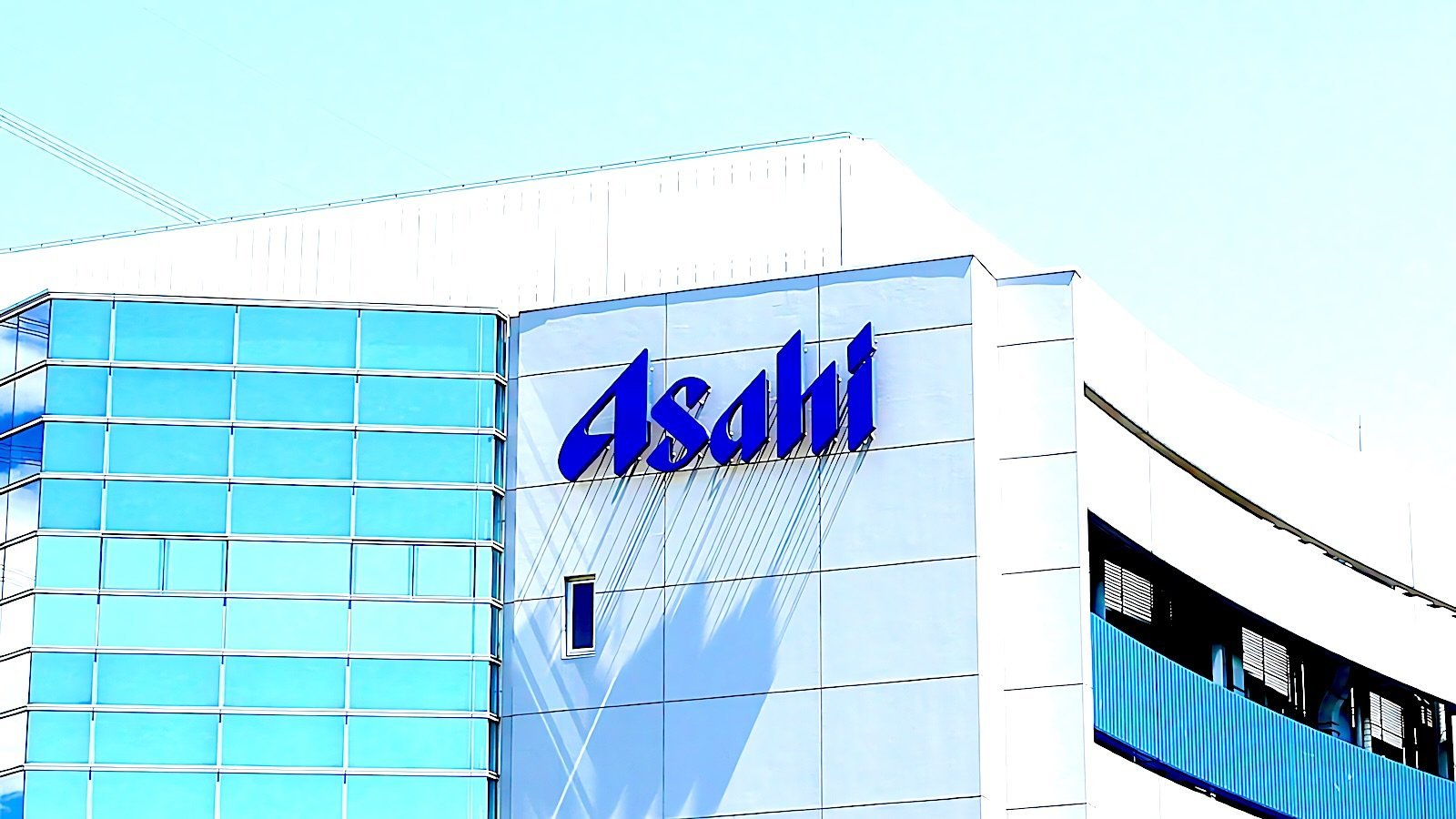
Summary Points
- The Qilin ransomware group claimed responsibility for a cyberattack on Japanese beer giant Asahi, exfiltrating over 9,300 files and publishing sensitive internal documents.
- The attack caused Asahi to suspend operations at six facilities, impacting production and leading to a projected loss of up to $335 million.
- Qilin ransomware, linked to North Korean hackers and previously targeting companies like Nissan and NHS hospitals, is known for exploiting critical vulnerabilities and advancing its encryption.
- Asahi has resumed production of its flagship beer “Super Dry” with a manual system, but plans to delay new product launches by nearly a year due to ongoing disruptions.
Underlying Problem
The Qilin ransomware group has claimed responsibility for a cyberattack on Japan’s largest brewing company, Asahi, after exfiltrating over 9,300 files and releasing 29 images that contain sensitive internal information, including financial documents, employee IDs, and contracts. This attack caused severe disruptions, forcing Asahi to halt operations at six facilities and leading to a predicted financial loss of up to $335 million due to production stoppages across multiple breweries, notably impacting the flagship “Super Dry” beer. While Asahi initially did not comment publicly about the breach, the company confirmed that the attack involved ransomware and data theft, and ongoing investigations are evaluating the authenticity of the leaked information. The breach exemplifies the increasing sophistication of the Qilin group, a threat actor linked to other high-profile incidents and suspected of exploiting network vulnerabilities and theft tools. This event underscores the widespread danger posed by cybercriminals to major corporations, especially when negotiations for ransom are unsuccessful, resulting in public leaks and significant business repercussions.
What’s at Stake?
The Qilin ransomware attack on Japan’s largest brewing company, Asahi, exemplifies the profound risks posed by cyber threats, illustrating how highly sophisticated ransomware groups can exfiltrate vast quantities of data—over 9,300 files and 27GB—causing severe operational and financial disruptions. By leaking sensitive internal documents, employee identities, and contracts after demanding ransom negotiations failed, the threat actor not only damages the company’s reputation but also risks exposing proprietary information, undermining trust and competitive advantage. The attack forced the suspension of factory operations, leading to an estimated loss of up to $335 million in revenue, delays in product launches, and significant supply chain impacts. This incident underscores the rising sophistication of multi-platform ransomware groups—often linked to nation-states—that exploit critical vulnerabilities in network infrastructure, emphasizing the urgent need for robust cybersecurity defenses to mitigate such material, high-impact risks that threaten both financial stability and operational continuity.
Fix & Mitigation
In the rapidly evolving landscape of cyber threats, swift and effective remediation is crucial, especially when sensitive data is compromised, as seen in the Qilin ransomware attack on Asahi Brewery. Timely action not only minimizes damages but also restores trust and prevents future exploitation.
Mitigation Strategies
Implement immediate network isolation of affected systems to halt the spread of ransomware. Conduct comprehensive forensic analysis to understand the breach’s scope. Notify relevant authorities and regulatory bodies in accordance with legal requirements.
Remediation Steps
Restore data from clean, offline backups to ensure integrity. Apply security patches and updates to all systems to prevent recurrence. Strengthen cybersecurity defenses, including intrusion detection systems and multi-factor authentication. Provide targeted employee training to improve awareness of phishing and other attack vectors.
Explore More Security Insights
Explore career growth and education via Careers & Learning, or dive into Compliance essentials.
Understand foundational security frameworks via NIST CSF on Wikipedia.
Disclaimer: The information provided may not always be accurate or up to date. Please do your own research, as the cybersecurity landscape evolves rapidly. Intended for secondary references purposes only.
Cyberattacks-V1
