
Close Menu
  • Home
  • Cybercrime and Ransomware
  • Emerging Tech
  • Threat Intelligence
  • Expert Insights
  • Careers and Learning
  • Compliance

Subscribe to Updates

Subscribe to our newsletter and never miss our latest news

Subscribe my Newsletter for New Posts & tips Let's stay updated!

What's Hot

New SharkLoader malware uses Cobalt Strike in StrikeShark attacks

June 26, 2026

AI-Driven Phishing and Automated Malware Escalate Cyber Attacks

June 26, 2026

Linux COW exploit grants root via cached binary poisoning

June 26, 2026
Facebook X (Twitter) Instagram
The CISO Brief
  • Home
  • Cybercrime and Ransomware
  • Emerging Tech
  • Threat Intelligence
  • Expert Insights
  • Careers and Learning
  • Compliance
Home » Qilin Ransomware Hits Asahi Brewery, Data Leaked
Cybercrime and Ransomware

Qilin Ransomware Hits Asahi Brewery, Data Leaked

Staff WriterBy Staff WriterOctober 9, 2025No Comments3 Mins Read2 Views
Facebook Twitter Pinterest LinkedIn Tumblr Email
Share
Facebook Twitter LinkedIn Pinterest WhatsApp Email

Summary Points

  1. The Qilin ransomware group claimed responsibility for a cyberattack on Japanese beer giant Asahi, exfiltrating over 9,300 files and publishing sensitive internal documents.
  2. The attack caused Asahi to suspend operations at six facilities, impacting production and leading to a projected loss of up to $335 million.
  3. Qilin ransomware, linked to North Korean hackers and previously targeting companies like Nissan and NHS hospitals, is known for exploiting critical vulnerabilities and advancing its encryption.
  4. Asahi has resumed production of its flagship beer “Super Dry” with a manual system, but plans to delay new product launches by nearly a year due to ongoing disruptions.

Underlying Problem

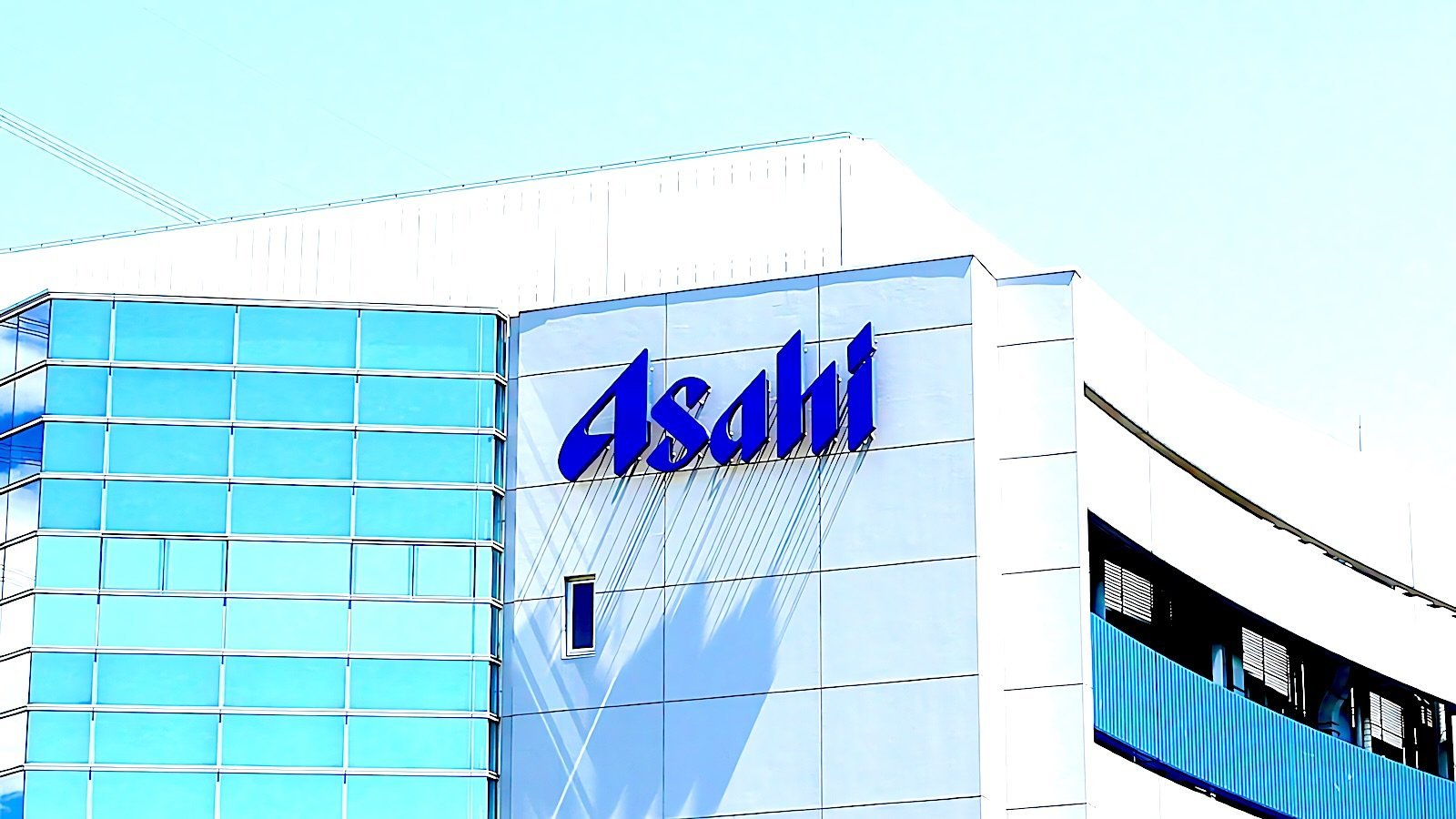
The Qilin ransomware group has claimed responsibility for a cyberattack on Japan’s largest brewing company, Asahi, after exfiltrating over 9,300 files and releasing 29 images that contain sensitive internal information, including financial documents, employee IDs, and contracts. This attack caused severe disruptions, forcing Asahi to halt operations at six facilities and leading to a predicted financial loss of up to $335 million due to production stoppages across multiple breweries, notably impacting the flagship “Super Dry” beer. While Asahi initially did not comment publicly about the breach, the company confirmed that the attack involved ransomware and data theft, and ongoing investigations are evaluating the authenticity of the leaked information. The breach exemplifies the increasing sophistication of the Qilin group, a threat actor linked to other high-profile incidents and suspected of exploiting network vulnerabilities and theft tools. This event underscores the widespread danger posed by cybercriminals to major corporations, especially when negotiations for ransom are unsuccessful, resulting in public leaks and significant business repercussions.

What’s at Stake?

The Qilin ransomware attack on Japan’s largest brewing company, Asahi, exemplifies the profound risks posed by cyber threats, illustrating how highly sophisticated ransomware groups can exfiltrate vast quantities of data—over 9,300 files and 27GB—causing severe operational and financial disruptions. By leaking sensitive internal documents, employee identities, and contracts after demanding ransom negotiations failed, the threat actor not only damages the company’s reputation but also risks exposing proprietary information, undermining trust and competitive advantage. The attack forced the suspension of factory operations, leading to an estimated loss of up to $335 million in revenue, delays in product launches, and significant supply chain impacts. This incident underscores the rising sophistication of multi-platform ransomware groups—often linked to nation-states—that exploit critical vulnerabilities in network infrastructure, emphasizing the urgent need for robust cybersecurity defenses to mitigate such material, high-impact risks that threaten both financial stability and operational continuity.

Fix & Mitigation

In the rapidly evolving landscape of cyber threats, swift and effective remediation is crucial, especially when sensitive data is compromised, as seen in the Qilin ransomware attack on Asahi Brewery. Timely action not only minimizes damages but also restores trust and prevents future exploitation.

Mitigation Strategies
Implement immediate network isolation of affected systems to halt the spread of ransomware. Conduct comprehensive forensic analysis to understand the breach’s scope. Notify relevant authorities and regulatory bodies in accordance with legal requirements.

Remediation Steps
Restore data from clean, offline backups to ensure integrity. Apply security patches and updates to all systems to prevent recurrence. Strengthen cybersecurity defenses, including intrusion detection systems and multi-factor authentication. Provide targeted employee training to improve awareness of phishing and other attack vectors.

Explore More Security Insights

Explore career growth and education via Careers & Learning, or dive into Compliance essentials.

Understand foundational security frameworks via NIST CSF on Wikipedia.

Disclaimer: The information provided may not always be accurate or up to date. Please do your own research, as the cybersecurity landscape evolves rapidly. Intended for secondary references purposes only.

Cyberattacks-V1

CISO Update Cybersecurity MX1
Share. Facebook Twitter Pinterest LinkedIn Tumblr Email
Previous ArticleMassive Data Breach: 1.5TB of Sensitive Info & 2 Million IDs Exposed
Next Article Mehr Kontrolle: Warum CISOs auf vollständige Datensichtbarkeit setzen
Avatar photo
Staff Writer
  • Website

John Marcelli is a staff writer for the CISO Brief, with a passion for exploring and writing about the ever-evolving world of technology. From emerging trends to in-depth reviews of the latest gadgets, John stays at the forefront of innovation, delivering engaging content that informs and inspires readers. When he's not writing, he enjoys experimenting with new tech tools and diving into the digital landscape.

Related Posts

New SharkLoader malware uses Cobalt Strike in StrikeShark attacks

June 26, 2026

AI-Driven Phishing and Automated Malware Escalate Cyber Attacks

June 26, 2026

Linux COW exploit grants root via cached binary poisoning

June 26, 2026

Comments are closed.

Latest Posts

Japan’s Ground Self-Defense Force Faces Malware Threat via Infected USB Drives

June 26, 2026

Zero Trust in OT: A 90-Day Board Engagement & Action Plan

June 26, 2026

Mythos: A Signal, Not a Siren—What Frontier AI Means for CISOs

June 26, 2026

Urgent: Cisco Unified CM Vulnerability Under Exploitation

June 26, 2026
Don't Miss

New SharkLoader malware uses Cobalt Strike in StrikeShark attacks

By Staff WriterJune 26, 2026

Fast Facts The campaign leverages publicly available exploits and custom dropper executables masquerading as legitimate…

AI-Driven Phishing and Automated Malware Escalate Cyber Attacks

June 26, 2026

Linux COW exploit grants root via cached binary poisoning

June 26, 2026

Subscribe to Updates

Subscribe to our newsletter and never miss our latest news

Subscribe my Newsletter for New Posts & tips Let's stay updated!

Recent Posts

  • New SharkLoader malware uses Cobalt Strike in StrikeShark attacks
  • AI-Driven Phishing and Automated Malware Escalate Cyber Attacks
  • Linux COW exploit grants root via cached binary poisoning
  • Japan’s Ground Self-Defense Force Faces Malware Threat via Infected USB Drives
  • Zero Trust in OT: A 90-Day Board Engagement & Action Plan
About Us
About Us

Welcome to The CISO Brief, your trusted source for the latest news, expert insights, and developments in the cybersecurity world.

In today’s rapidly evolving digital landscape, staying informed about cyber threats, innovations, and industry trends is critical for professionals and organizations alike. At The CISO Brief, we are committed to providing timely, accurate, and insightful content that helps security leaders navigate the complexities of cybersecurity.

Facebook X (Twitter) Pinterest YouTube WhatsApp
Our Picks

New SharkLoader malware uses Cobalt Strike in StrikeShark attacks

June 26, 2026

AI-Driven Phishing and Automated Malware Escalate Cyber Attacks

June 26, 2026

Linux COW exploit grants root via cached binary poisoning

June 26, 2026
Most Popular

Protecting MCP Security: Defeating Prompt Injection & Tool Poisoning

January 30, 202633 Views

Unlock the Power of Free WormGPT: Harnessing DeepSeek, Gemini, and Kimi-K2 AI Models

November 27, 202530 Views

The New Face of DDoS is Impacted by AI

August 4, 202528 Views

Archives

  • June 2026
  • May 2026
  • April 2026
  • March 2026
  • February 2026
  • January 2026
  • December 2025
  • November 2025
  • October 2025
  • September 2025
  • August 2025
  • July 2025
  • June 2025

Categories

  • Compliance
  • Cyber Updates
  • Cybercrime and Ransomware
  • Editor's pick
  • Emerging Tech
  • Events
  • Featured
  • Insights
  • Most Read
  • Threat Intelligence
  • Uncategorized
© 2026 thecisobrief. Designed by thecisobrief.
  • Home
  • About Us
  • Advertise with Us
  • Contact Us
  • DMCA
  • Privacy Policy
  • Terms & Conditions

Type above and press Enter to search. Press Esc to cancel.