

Summary Points
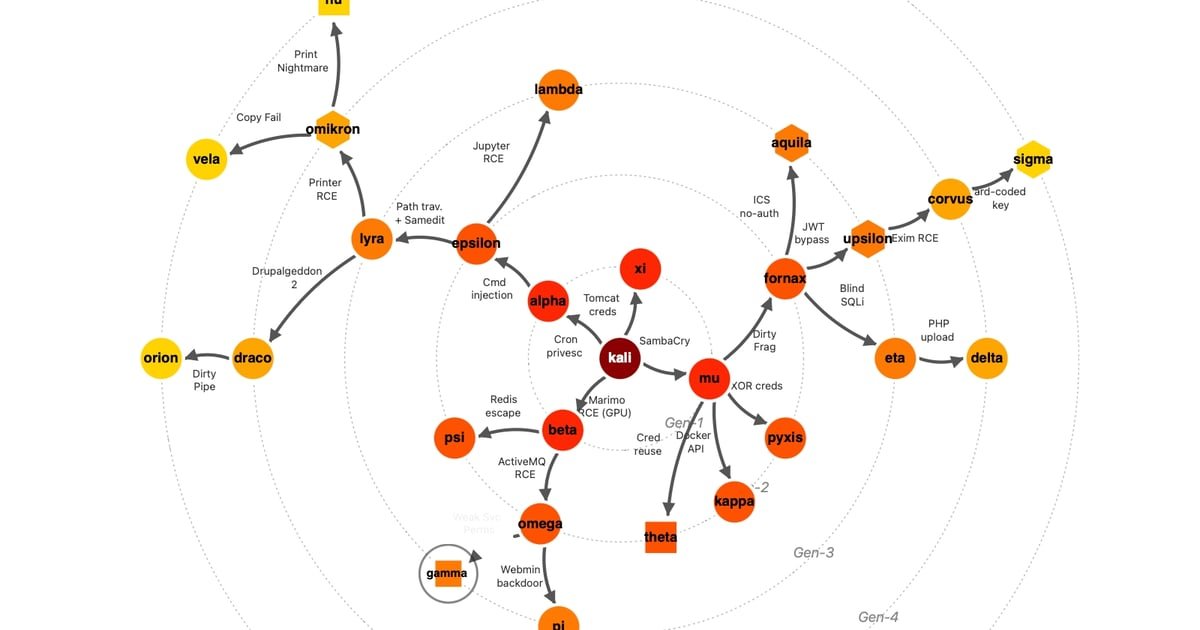
- Researchers are developing proof-of-concept AI worms capable of autonomous, adaptive spreading across networks, posing a threat akin to past major worms like NotPetya and Stuxnet.
- These AI worms would utilize AI/ML models to identify vulnerabilities, secrets, and exploit systems dynamically, making traditional patching ineffective.
- Experts warn that such threats could emerge within a year, targeting developers and cloud environments, with existing malware already experimenting with AI-enhanced capabilities.
- Effective defenses include zero-trust architectures, network micro-segmentation, and proactive detection strategies to limit propagation and address vulnerabilities before attackers do.
The Growing Threat of Adaptive AI Worms
Advanced AI-driven worms are on the horizon, posing a serious risk to global cybersecurity. Unlike traditional worms, these new threats are autonomous and capable of self-propagation across multiple environments. They search for software flaws, unpatched vulnerabilities, and secrets without human guidance. Researchers are actively developing proof-of-concept AI worms that can adapt to their surroundings, making them harder to stop by conventional methods. Cybersecurity experts warn that such worms could soon target developers and cloud systems, causing widespread damage. In recent incidents, malware like the Node Package Manager worm and VS Code extension attacks have already exploited developer tools, showing how attackers might use AI to increase their reach. These AI worms could combine small AI models with self-learning capabilities, enabling them to evolve and bypass traditional security measures more effectively.
Preparing for a Possible Future of AI-Driven Attacks
Despite the current novelty, experts believe AI-powered worms could become more common within a year. This potential rise emphasizes the need for stronger security practices. Many businesses struggle to patch vulnerabilities quickly due to the vast amount of software they use. Experts suggest that adopting strategies like least privilege access and detailed network monitoring can help limit the damage. Implementing zero-trust architectures and network segmentation could also make it harder for AI worms to spread if an attack occurs. While research into these malicious AI tools is ongoing, it underscores the importance of proactive defense. Recognizing that low barriers to creating such threats exist, organizations must prepare now to defend their systems and data against this evolving danger.
Continue Your Tech Journey
Dive deeper into the world of Cryptocurrency and its impact on global finance.
Explore past and present digital transformations on the Internet Archive.
CyberRisk-V1
