

Essential Insights
- A highly critical SharePoint vulnerability (CVE-2026-50522) with a CVSS score of 9.8 is actively exploited, allowing remote code execution and unauthorized remote code injection by attackers.
- Exploitation can occur with minimal prior knowledge and can be achieved from the internet, making it highly accessible to attackers.
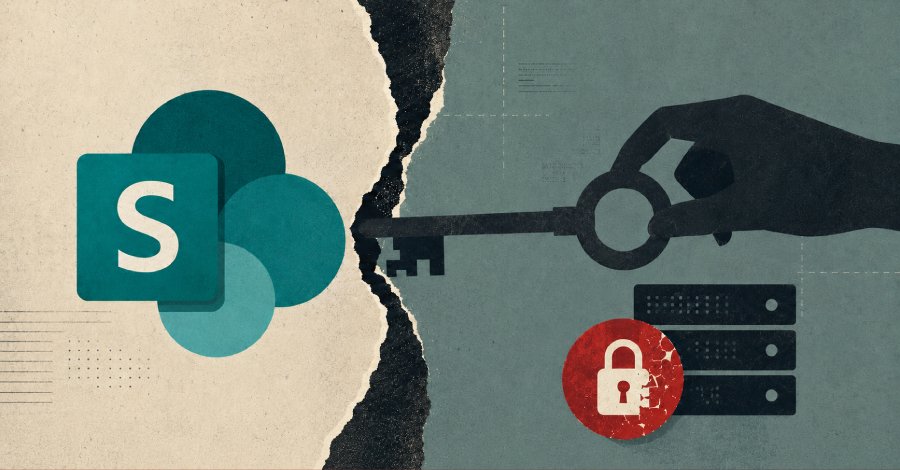
- Active exploitation has been detected post-release of a public proof-of-concept, with attackers stealing machine keys, emphasizing an urgent need for patching and credential rotation.
- U.S. cybersecurity authorities (CISA) warn that multiple SharePoint vulnerabilities are being exploited to gain unauthorized access, demanding immediate updates for all on-premises SharePoint versions.
Active Exploitation of Critical SharePoint Vulnerability Continues
Recently, a serious security flaw in Microsoft SharePoint has become a major concern. The vulnerability, identified as CVE-2026-50522, received urgent attention after a public proof-of-concept was shared online. As a result, hackers are actively exploiting it, according to cybersecurity sources. This flaw allows attackers to run malicious code remotely, which means they can take control of affected systems without needing prior access or authentication. The danger is high, with a CVSS score of 9.8, indicating a critical threat. Experts warn that attackers do not need deep system knowledge to succeed, making this vulnerability especially dangerous. Since the flaw is being exploited in the wild, organizations running on-premises SharePoint should act quickly to secure their environments.
Impacts and Necessary Response
Security researchers confirm that malicious actors are now using this weakness to steal sensitive data, such as machine keys, and potentially maintain long-term access to compromised networks. They are delivering payloads via deserialization attacks at SharePoint’s sign-in endpoints. The U.S. cybersecurity agency has issued warnings, stating that various versions of SharePoint—2016, 2019, and Subscription Edition—are vulnerable to multiple exploits, including CVE-2026-50522. As a result, government agencies were directed to apply patches by a specified deadline. Patching alone might not be enough; experts recommend rotating credentials and monitoring network activity closely. This incident emphasizes the importance of timely updates and ongoing security practices to protect vital digital infrastructure.
Discover More Technology Insights
Explore the future of technology with our detailed insights on Artificial Intelligence.
Access comprehensive resources on technology by visiting Wikipedia.
CyberAttacks-V1
