

Summary Points
- Apple has been notifying users across over 150 countries about potential mercenary spyware targeting them, especially individuals like journalists, activists, and politicians.
- These targeted attacks are highly sophisticated, expensive, and focus on specific individuals, making them among the most advanced digital threats today.
- Apple emphasizes the importance of security measures such as device updates, strong authentication, and cautious handling of links and attachments to prevent infection.
- The widespread and diverse range of notifications indicates a potentially larger global issue of cybersecurity threats beyond publicly reported cases.
Apple Alerts Users in 110 Countries About Possible Spyware Attacks
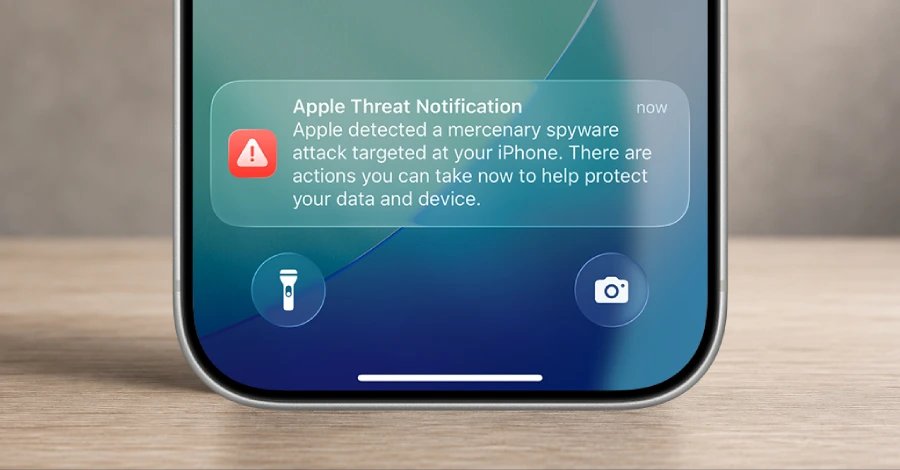
Recently, Apple sent important notifications to users across 110 countries, warning them about potential mercenary spyware targeting their devices. The company explained that it has notified over 150 countries so far. These alerts began in late 2021, indicating ongoing concerns about digital security. Such spyware attacks are highly sophisticated and costly, making them some of the most advanced threats in the digital world today. Apple stated it does not link these attacks to specific countries or perpetrators. Usually, notifications target individuals such as journalists, activists, politicians, or diplomats. These people are often targeted because of who they are or what they do. The notifications serve as a high-confidence alert that a device might be under attack. Apple emphasizes that the threats focus on a small number of individual targets rather than the general public.
How Apple Is Helping Users Stay Safe
When Apple detects a potential spyware attack, it notifies users in several ways. They see an alert directly on their iPhone, on the Lock Screen, or in Settings. Additionally, Apple sends an email to the addresses linked with the user’s Apple account. This email comes from a specific threat notification address. Users also find a banner at the top of their Apple Account page after signing in. To protect their devices, experts recommend updating to the latest software versions, securing devices with passcodes or biometric features like Face ID, and enabling two-factor authentication on accounts. Turning on features like Lockdown Mode and avoiding unknown links or attachments also help strengthen security. Some users, including members of Ukraine’s military and human rights activists, report increased concern after receiving the alerts. As cybersecurity threats grow more complex, these notifications aim to remind users of the importance of digital vigilance.
Discover More Technology Insights
Explore the future of technology with our detailed insights on Artificial Intelligence.
Stay inspired by the vast knowledge available on Wikipedia.
CyberAttacks-V1
