

Top Highlights
-
Increased Cyber Threats: Cybersecurity experts highlight heightened risks for critical industries, particularly the automotive sector, from sophisticated ransomware attacks by nation-state actors.
-
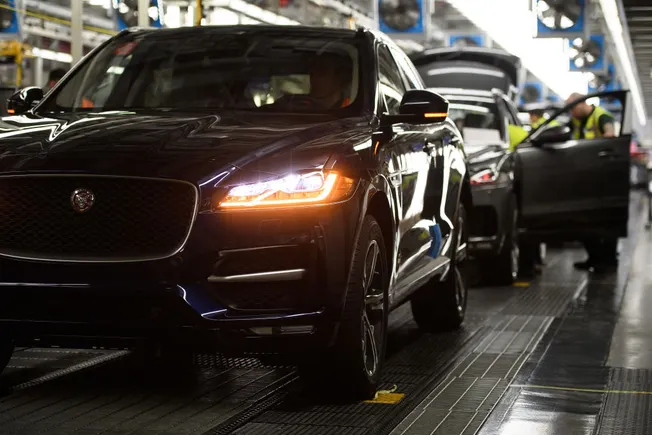
Real-World Consequences: Recent cyberattacks on the automotive industry have caused severe disruptions, including prolonged production shutdowns and significant financial repercussions, as seen with companies like Jaguar Land Rover.
-
Regulatory Response: In response to escalating cyber threats, the U.S. Department of Commerce has banned sales of connected vehicle technologies from Russia and China, aimed at protecting critical infrastructure and customer data.
- Call for Cyber Resilience: Authorities, including the UK’s National Cyber Security Centre, emphasize that corporate leaders must prioritize cybersecurity planning and operational continuity to combat rising criminal cyber attacks.
The Growing Threat Landscape
The automotive sector faces unprecedented cyber threats. Warning signs emerged during recent years, with experts predicting catastrophic attacks on critical industries. Unfortunately, these predictions materialized, disrupting production and crippling supply chains. Major industry providers experienced weeks of halted operations and severe financial consequences.
As cars increasingly rely on Internet of Things (IoT) technology and artificial intelligence, they become attractive targets for hackers. The sophistication of attacks, particularly ransomware, has heightened vulnerabilities. Experts now argue that cybersecurity should not solely focus on prevention. Instead, businesses must adopt a mindset of disaster preparedness. A significant attack on a leading automotive software provider in June 2024 illustrates this reality. The breach halted operations for over 15,000 dealerships, disrupting sales and customer service functions.
Strategies for Resilience
Industry experts emphasize a need for robust security practices. Many automotive manufacturers acknowledge cyber risks as their top external concern. Yet, fundamental flaws remain. Many connected car components lack essential security controls, raising alarms about the safety of modern vehicles. Moreover, the push for enhanced connected experiences further compounds these risks.
To mitigate these threats, cybersecurity must transform into a boardroom priority. Leaders should outline comprehensive plans to ensure business continuity amid potential attacks. Countries like the U.K. have recognized the urgency of this issue. Authorities are encouraging corporate leadership to take ownership of cyber risks and prioritize resilience at all levels.
As automakers continue to innovate, they must balance technological advancements with security concerns. Failure to do so could jeopardize not only their operations but also the trust of consumers in an increasingly digitized world.
Stay Ahead with the Latest Tech Trends
Stay informed on the revolutionary breakthroughs in Quantum Computing research.
Discover archived knowledge and digital history on the Internet Archive.
Cybersecurity-V1
