
Close Menu
  • Home
  • Cybercrime and Ransomware
  • Emerging Tech
  • Threat Intelligence
  • Expert Insights
  • Careers and Learning
  • Compliance

Subscribe to Updates

Subscribe to our newsletter and never miss our latest news

Subscribe my Newsletter for New Posts & tips Let's stay updated!

What's Hot

Future-Proof Your Defense: The Need for Long-Term Planning in Physical AI Security

June 13, 2026

Transform Specs into Agent Evals with ASSERT

June 12, 2026

FBI Cracks Massive China-Based Cybercrime Ring, $1.9B Lost

June 12, 2026
Facebook X (Twitter) Instagram
The CISO Brief
  • Home
  • Cybercrime and Ransomware
  • Emerging Tech
  • Threat Intelligence
  • Expert Insights
  • Careers and Learning
  • Compliance
Home » CISA Faces Setback as Key Employee Departs Amid Ransomware Alerts
Cyber Updates

CISA Faces Setback as Key Employee Departs Amid Ransomware Alerts

Staff WriterBy Staff WriterDecember 23, 2025No Comments3 Mins Read6 Views
Facebook Twitter Pinterest LinkedIn Tumblr Email
Share
Facebook Twitter LinkedIn Pinterest WhatsApp Email

Fast Facts

  1. Leadership Departure: David Stern, the lead staffer of CISA’s Pre-Ransomware Notification Initiative, resigned after being forced to reassign within the agency, impacting a vital program against ransomware threats.

  2. Operational Impact: Stern’s exit raises concerns over the initiative’s effectiveness, as he was crucial in building relationships with cybersecurity partners and institutions that reported potential ransomware threats.

  3. Warning Effectiveness: CISA’s PRNI has issued over 3,300 warnings since late 2022, helping to avert significant financial losses and protect critical infrastructure such as healthcare and energy sectors.

  4. Future Uncertainty: The program’s future is in doubt as it relies heavily on Stern’s established trust within the cybersecurity community, which is now reconsidering its engagement with CISA following his departure.

Impacts of a Critical Departure

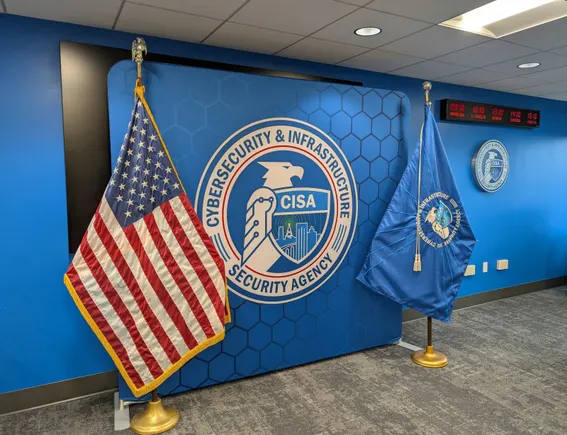
The Cybersecurity and Infrastructure Security Agency (CISA) faces a pivotal moment. After losing David Stern, its lead staffer for the Pre-Ransomware Notification Initiative (PRNI), the agency risks a setback in its fight against ransomware attacks. Stern resigned rather than accept a reassignment, a choice that reflects deep dissatisfaction within the agency. His departure raises questions about the program’s future effectiveness and reliance on established relationships.

Stern served as the primary communicator between CISA and crucial stakeholders in the cybersecurity community. His notifications prevented numerous ransomware attacks on essential services, including healthcare and utilities. In fact, CISA reported over 1,200 warnings sent in 2023, averting potential damages exceeding billions of dollars. The trust he cultivated played a critical role in gathering timely intelligence. Without his expertise, the initiative may struggle to maintain its momentum and relationship-driven success.

Challenges Ahead for CISA’s Ransomware Program

The future of the PRNI remains uncertain. CISA leadership maintains that the program continues without interruption. However, insiders suggest that Stern’s departure significantly weakens the effort. His unique abilities to foster partnerships and gather information from the cybersecurity community may not easily transfer to his successors. The agency’s reliance on these relationships underscores the fragility of its warning system.

As CISA confronts these challenges, all eyes will watch its response. The program, once a beacon of proactive cybersecurity measures, now teeters on the edge of vulnerability. Stakeholders will likely reconsider their engagement with the agency, questioning if it can maintain the trust and efficacy required to safeguard critical infrastructure. Addressing these issues swiftly will be vital for CISA’s ongoing mission against rising cyber threats.

Discover More Technology Insights

Learn how the Internet of Things (IoT) is transforming everyday life.

Stay inspired by the vast knowledge available on Wikipedia.

Cybersecurity-1
cyber risk cybercrime Cybersecurity MX1 risk management Threats
Share. Facebook Twitter Pinterest LinkedIn Tumblr Email
Previous ArticleUniversities Under Siege: Over 3.5 Million Impacted by Data Breach
Next Article INTERPOL’s Major African Sweep: 574 Arrests and a Guilty Plea in Ransomware Case
Avatar photo
Staff Writer
  • Website

John Marcelli is a staff writer for the CISO Brief, with a passion for exploring and writing about the ever-evolving world of technology. From emerging trends to in-depth reviews of the latest gadgets, John stays at the forefront of innovation, delivering engaging content that informs and inspires readers. When he's not writing, he enjoys experimenting with new tech tools and diving into the digital landscape.

Related Posts

Future-Proof Your Defense: The Need for Long-Term Planning in Physical AI Security

June 13, 2026

Transform Specs into Agent Evals with ASSERT

June 12, 2026

FBI Cracks Massive China-Based Cybercrime Ring, $1.9B Lost

June 12, 2026

Comments are closed.

Latest Posts

FBI Cracks Massive China-Based Cybercrime Ring, $1.9B Lost

June 12, 2026

Malicious NPM Campaign Steals SSH Keys, API Tokens, Cloud Credentials & Wallet Secrets

June 12, 2026

Conti Ransomware Member Faces 20 Years After Guilty Plea

June 12, 2026

Fancy Bear Exploits EdgeRouters and Cloud Services for Stealth Cyberattacks

June 12, 2026
Don't Miss

Future-Proof Your Defense: The Need for Long-Term Planning in Physical AI Security

By Staff WriterJune 13, 2026

Summary Points Security architecture should be established early, using hardware roots of trust to prevent…

Transform Specs into Agent Evals with ASSERT

June 12, 2026

FBI Cracks Massive China-Based Cybercrime Ring, $1.9B Lost

June 12, 2026

Subscribe to Updates

Subscribe to our newsletter and never miss our latest news

Subscribe my Newsletter for New Posts & tips Let's stay updated!

Recent Posts

  • Future-Proof Your Defense: The Need for Long-Term Planning in Physical AI Security
  • Transform Specs into Agent Evals with ASSERT
  • FBI Cracks Massive China-Based Cybercrime Ring, $1.9B Lost
  • Malicious NPM Campaign Steals SSH Keys, API Tokens, Cloud Credentials & Wallet Secrets
  • Conti Ransomware Member Faces 20 Years After Guilty Plea
About Us
About Us

Welcome to The CISO Brief, your trusted source for the latest news, expert insights, and developments in the cybersecurity world.

In today’s rapidly evolving digital landscape, staying informed about cyber threats, innovations, and industry trends is critical for professionals and organizations alike. At The CISO Brief, we are committed to providing timely, accurate, and insightful content that helps security leaders navigate the complexities of cybersecurity.

Facebook X (Twitter) Pinterest YouTube WhatsApp
Our Picks

Future-Proof Your Defense: The Need for Long-Term Planning in Physical AI Security

June 13, 2026

Transform Specs into Agent Evals with ASSERT

June 12, 2026

FBI Cracks Massive China-Based Cybercrime Ring, $1.9B Lost

June 12, 2026
Most Popular

Protecting MCP Security: Defeating Prompt Injection & Tool Poisoning

January 30, 202633 Views

Unlock the Power of Free WormGPT: Harnessing DeepSeek, Gemini, and Kimi-K2 AI Models

November 27, 202530 Views

The New Face of DDoS is Impacted by AI

August 4, 202528 Views

Archives

  • June 2026
  • May 2026
  • April 2026
  • March 2026
  • February 2026
  • January 2026
  • December 2025
  • November 2025
  • October 2025
  • September 2025
  • August 2025
  • July 2025
  • June 2025

Categories

  • Compliance
  • Cyber Updates
  • Cybercrime and Ransomware
  • Editor's pick
  • Emerging Tech
  • Events
  • Featured
  • Insights
  • Most Read
  • Threat Intelligence
  • Uncategorized
© 2026 thecisobrief. Designed by thecisobrief.
  • Home
  • About Us
  • Advertise with Us
  • Contact Us
  • DMCA
  • Privacy Policy
  • Terms & Conditions

Type above and press Enter to search. Press Esc to cancel.