
Close Menu
  • Home
  • Cybercrime and Ransomware
  • Emerging Tech
  • Threat Intelligence
  • Expert Insights
  • Careers and Learning
  • Compliance

Subscribe to Updates

Subscribe to our newsletter and never miss our latest news

Subscribe my Newsletter for New Posts & tips Let's stay updated!

What's Hot

Swedish Government Links Pro-Russian Group to Heating Plant Cyberattack

April 15, 2026

Cyber Attack on LAPD Triggers Massive Police Data Leak

April 15, 2026

Incident Response for AI: Navigating the Same Fire, Different Fuel

April 15, 2026
Facebook X (Twitter) Instagram
The CISO Brief
  • Home
  • Cybercrime and Ransomware
  • Emerging Tech
  • Threat Intelligence
  • Expert Insights
  • Careers and Learning
  • Compliance
Home » Critical Docker Vulnerability: Bypass Authorization & Reach Host Access
Uncategorized

Critical Docker Vulnerability: Bypass Authorization & Reach Host Access

Staff WriterBy Staff WriterApril 8, 2026No Comments2 Mins Read1 Views
Facebook Twitter Pinterest LinkedIn Tumblr Email
Share
Facebook Twitter LinkedIn Pinterest WhatsApp Email

Quick Takeaways

  1. A critical security flaw (CVE-2026-34040) in Docker Engine allows attackers to bypass authorization plugins and gain privileged access through specially crafted HTTP requests.
  2. The vulnerability stems from improper handling of oversized request bodies, enabling malicious actors to create privileged containers with host system access, risking credentials and infrastructure compromise.
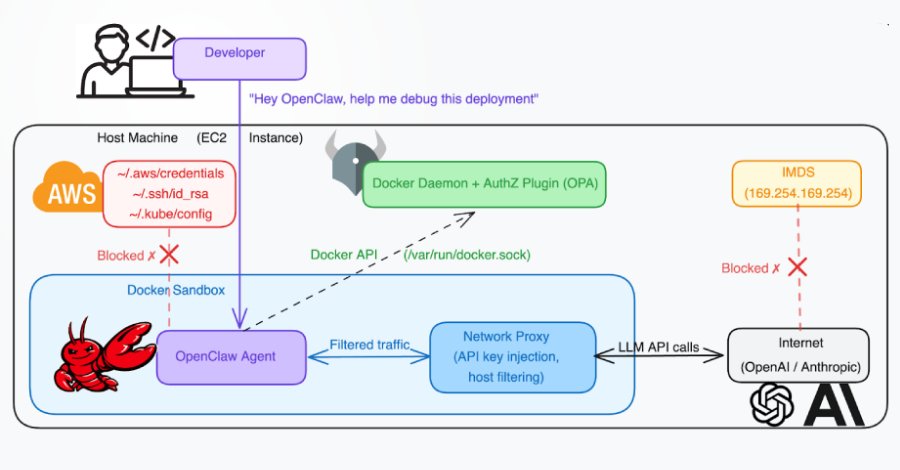
  3. Attackers, including AI agents, can exploit this flaw without special tools or privileges, using simple HTTP padding techniques to execute malicious actions like mounting host files and extracting sensitive information.
  4. Mitigation strategies include avoiding request body-inspecting plugins, restricting Docker API access, and running Docker in rootless mode to minimize the impact of potential exploits.

New Vulnerability Allows Attackers to Bypass Docker Authorization

A recent security flaw in Docker Engine poses a significant threat to container security. The vulnerability, identified as CVE-2026-34040, allows attackers to sidestep authorization checks. This flaw stems from an incomplete fix of a previous, high-severity issue. When exploited, it enables malicious actors to send specially crafted API requests that skip authorization steps. As a result, they can create privileged containers with full access to the host system. Security researchers highlight that this bug mainly affects systems relying on authorization plugins that analyze request bodies for security decisions. The flaw was discovered independently by multiple security experts and has now been patched in Docker version 29.3.1.

How Attackers Can Exploit This Flaw and Its Impact

The root of the issue lies in how the Docker daemon processes oversized HTTP requests. Attackers can pad container creation requests with large payloads—above 1MB—causing the request to be dropped without proper authorization checks. This mechanism tricks Docker into creating containers with root access to the host. Consequently, attackers could gain access to critical information like cloud credentials, SSH keys, and Kubernetes configurations. Moreover, AI-powered agents inside Docker environments could be manipulated to execute malicious commands by embedding carefully crafted request padding. This level of access opens the door for a wide range of malicious activities, including taking control of cloud accounts and servers. Experts advise that, until patched, users should avoid authorization plugins that rely solely on request body inspection. Instead, they recommend limitingDocker API access and operating in rootless mode when possible, to minimize risks.

Expand Your Tech Knowledge

Stay informed on the revolutionary breakthroughs in Quantum Computing research.

Stay inspired by the vast knowledge available on Wikipedia.

DataProtection-V1

Share. Facebook Twitter Pinterest LinkedIn Tumblr Email
Previous ArticleDevice Code Phishing Attack Targets Over 340 Microsoft 365 Organizations
Next Article Indian Bank Alerts: Beware of Fake LPG Payment & KYC Update Scams!
Avatar photo
Staff Writer
  • Website

John Marcelli is a staff writer for the CISO Brief, with a passion for exploring and writing about the ever-evolving world of technology. From emerging trends to in-depth reviews of the latest gadgets, John stays at the forefront of innovation, delivering engaging content that informs and inspires readers. When he's not writing, he enjoys experimenting with new tech tools and diving into the digital landscape.

Related Posts

Swedish Government Links Pro-Russian Group to Heating Plant Cyberattack

April 15, 2026

Critical Flaws Fixed in April Patch Tuesday: Urgent Updates for SAP, Adobe, Microsoft, Fortinet & More

April 15, 2026

FBI & Indonesian Police Crush $20M W3LL Phishing Network

April 13, 2026

Comments are closed.

Latest Posts

Why Cyber Resilience Requires a Board-Level Focus

April 15, 2026

Ababil of Minab Hack LACMTA: Exposing Rail Cyber Risks

April 15, 2026

Hackers Exploit Google Cloud Storage to Bypass Email Filters and Deploy Remcos RAT

April 15, 2026

Top 7 Healthcare Security Threats You Must Know

April 15, 2026
Don't Miss

Swedish Government Links Pro-Russian Group to Heating Plant Cyberattack

By Staff WriterApril 15, 2026

Top Highlights Sweden publicly links a pro-Russian group to a failed cyberattack on a heating…

Critical Flaws Fixed in April Patch Tuesday: Urgent Updates for SAP, Adobe, Microsoft, Fortinet & More

April 15, 2026

FBI & Indonesian Police Crush $20M W3LL Phishing Network

April 13, 2026

Subscribe to Updates

Subscribe to our newsletter and never miss our latest news

Subscribe my Newsletter for New Posts & tips Let's stay updated!

Recent Posts

  • Swedish Government Links Pro-Russian Group to Heating Plant Cyberattack
  • Cyber Attack on LAPD Triggers Massive Police Data Leak
  • Incident Response for AI: Navigating the Same Fire, Different Fuel
  • Critical MCP Flaw Threatens NGINX Security
  • Why Cyber Resilience Requires a Board-Level Focus
About Us
About Us

Welcome to The CISO Brief, your trusted source for the latest news, expert insights, and developments in the cybersecurity world.

In today’s rapidly evolving digital landscape, staying informed about cyber threats, innovations, and industry trends is critical for professionals and organizations alike. At The CISO Brief, we are committed to providing timely, accurate, and insightful content that helps security leaders navigate the complexities of cybersecurity.

Facebook X (Twitter) Pinterest YouTube WhatsApp
Our Picks

Swedish Government Links Pro-Russian Group to Heating Plant Cyberattack

April 15, 2026

Cyber Attack on LAPD Triggers Massive Police Data Leak

April 15, 2026

Incident Response for AI: Navigating the Same Fire, Different Fuel

April 15, 2026
Most Popular

Protecting MCP Security: Defeating Prompt Injection & Tool Poisoning

January 30, 202629 Views

The New Face of DDoS is Impacted by AI

August 4, 202523 Views

Unlock the Power of Free WormGPT: Harnessing DeepSeek, Gemini, and Kimi-K2 AI Models

November 27, 202520 Views

Archives

  • April 2026
  • March 2026
  • February 2026
  • January 2026
  • December 2025
  • November 2025
  • October 2025
  • September 2025
  • August 2025
  • July 2025
  • June 2025

Categories

  • Compliance
  • Cyber Updates
  • Cybercrime and Ransomware
  • Editor's pick
  • Emerging Tech
  • Events
  • Featured
  • Insights
  • Threat Intelligence
  • Uncategorized
© 2026 thecisobrief. Designed by thecisobrief.
  • Home
  • About Us
  • Advertise with Us
  • Contact Us
  • DMCA
  • Privacy Policy
  • Terms & Conditions

Type above and press Enter to search. Press Esc to cancel.