

Essential Insights
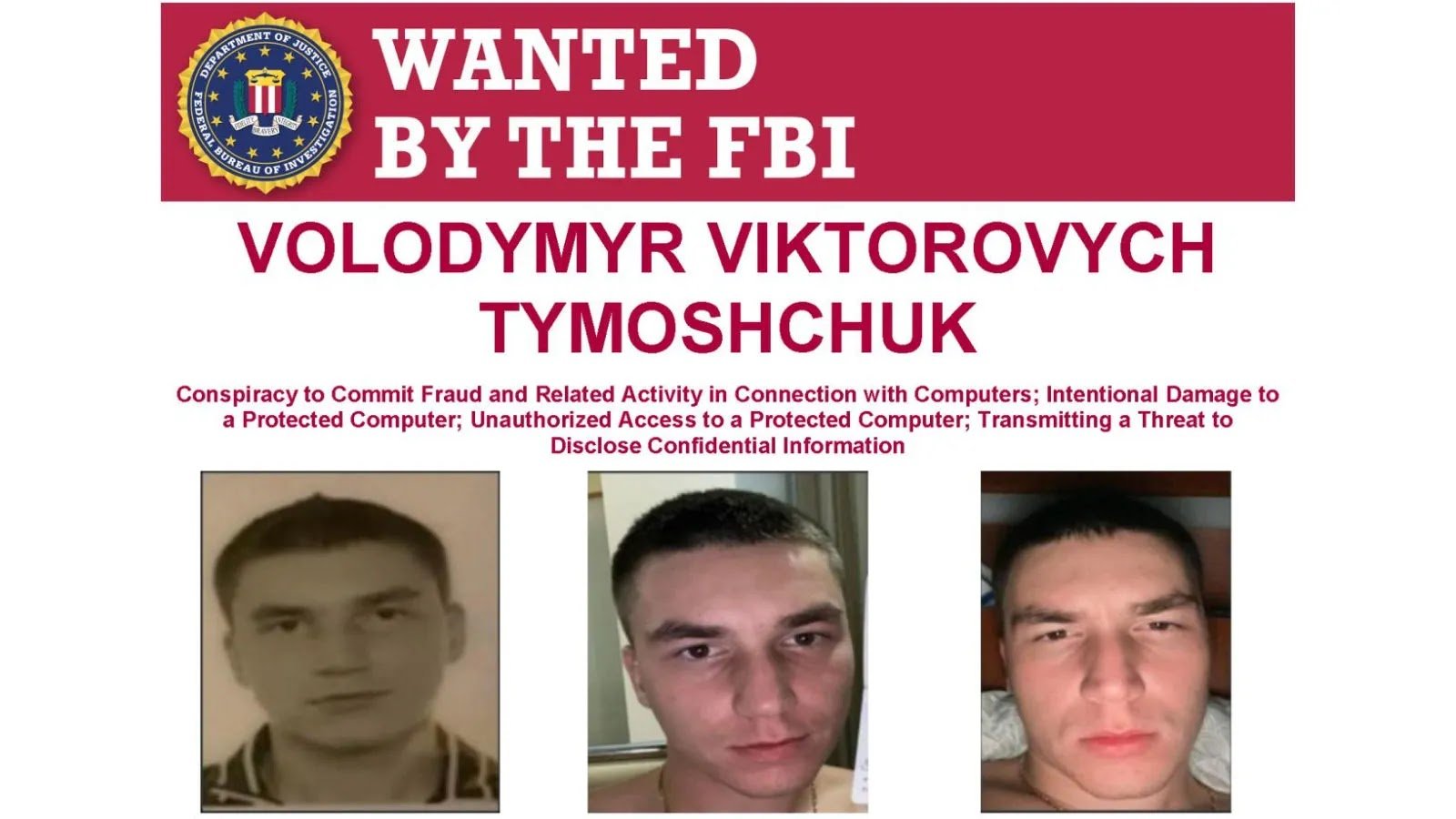
- Ukrainian national Volodymyr Tymoshchuk is charged with orchestrating ransomware schemes (LockerGoga, MegaCortex, Nefilim) that targeted over 250 U.S. companies and hundreds worldwide, causing millions in damages.
- He customized ransomware for each victim, encrypting networks in multiple countries from 2018 to 2021, and threatened to leak sensitive data unless ransoms were paid.
- Tymoshchuk served as an administrator for Nefilim ransomware, sharing tools with affiliates like Artem Stryzhak, and was involved in extensive cyberattacks on corporations, healthcare institutions, and industrial firms.
- Law enforcement, supported by international agencies, thwarted many attacks; a $11 million reward is offered for information on Tymoshchuk’s whereabouts, with decryption keys for some ransomware released publicly to aid victims.
Problem Explained
The U.S. District Court for the Eastern District of New York has unsealed a superseding indictment against Volodymyr Viktorovich Tymoshchuk, a Ukrainian national accused of orchestrating sophisticated ransomware operations—LockerGoga, MegaCortex, and Nefilim—that targeted over 250 U.S. companies and many more worldwide between 2018 and 2021. Reported by the Department of Justice, the charges allege Tymoshchuk’s mastermind role in deploying malware that encrypted victims’ data, often causing significant operational disruptions and extorting millions of dollars by threatening to leak sensitive information if ransoms were not paid. Law enforcement agencies, including the FBI, led a multinational investigation involving several European countries and Ukraine, which disrupted many of these cyberattacks, and released decryption keys to aid victims. Tymoshchuk’s alleged activities, which include providing ransomware to affiliates like Artem Stryzhak in exchange for a share of profits, mark a major enforcement effort against international cybercrime, with the Department of State offering up to $11 million for information on his whereabouts.
Risk Summary
The U.S. District Court for the Eastern District of New York has unsealed charges against Ukrainian national Volodymyr Tymoshchuk for his central role in orchestrating ransomware operations involving LockerGoga, MegaCortex, and Nefilim, which extorted over 250 U.S. companies and hundreds worldwide, causing extensive financial and operational damage. His cybercriminal enterprise customized ransomware variants to encrypt networks across multiple countries, threatening data leaks to coerce ransom payments, sometimes crippling businesses entirely until data could be restored or recovered. Law enforcement actions, including the release of decryption keys through international collaborations, have mitigated some attacks, yet Tymoshchuk’s activities exemplify the growing sophistication and global impact of ransomware threats—disrupting critical infrastructure, threatening sensitive data, and imposing high economic costs, underlining the urgent need for robust cybersecurity defenses and international cooperation to combat such malicious cyber activities.
Possible Remediation Steps
Prompt responses in addressing cyber threats are essential to minimize damage, restore normal operations, and prevent further exploitation of vulnerabilities. When authorities arrest administrators behind dangerous ransomware gangs like “LockerGoga,” “MegaCortex,” and “Nefilim,” swift action is vital to contain potential fallout and secure digital assets.
Mitigation Strategies:
- Isolate affected systems immediately to prevent spread
- Disable remote access to sensitive networks
- Implement network segmentation to contain infection
Remediation Actions:
- Conduct comprehensive malware scans and removal
- Apply critical security patches and updates promptly
- Reset all credentials and enforce strong password policies
- Review and enhance existing security protocols
- Improve backup and recovery plans to ensure data integrity
- Engage with cybersecurity experts for detailed incident analysis
Advance Your Cyber Knowledge
Explore career growth and education via Careers & Learning, or dive into Compliance essentials.
Learn more about global cybersecurity standards through the NIST Cybersecurity Framework.
Disclaimer: The information provided may not always be accurate or up to date. Please do your own research, as the cybersecurity landscape evolves rapidly. Intended for secondary references purposes only.
Cyberattacks-V1
