

Top Highlights
-
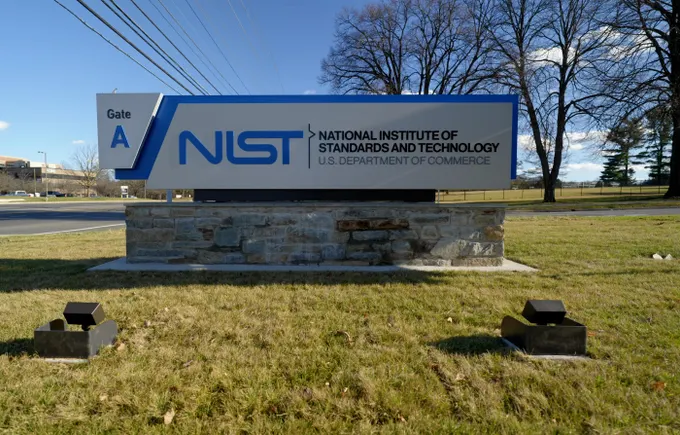
NIST and MITRE Collaboration: The National Institute of Standards and Technology (NIST) has partnered with MITRE to create an AI Economic Security Center aimed at enhancing the security of critical infrastructure against cyber threats.
-
Focus on AI Implementation: Their initiative will drive the development of AI-driven tools for security personnel to protect vital systems such as power plants and hospitals.
-
Addressing Reliability and Assurance: Research will target improving the reliability of AI systems in critical infrastructure, ensuring that they not only speed up decision-making but also enhance accuracy.
-
Strategic AI Advancements: This effort supports U.S. competitiveness in AI and aims to refine safety standards for AI technologies in critical sectors, addressing vulnerabilities and enabling practical applications.
Strengthening Cyber Defenses with AI
The National Institute of Standards and Technology (NIST) recently announced a partnership with MITRE. This collaboration focuses on enhancing security for critical infrastructure using artificial intelligence (AI). The two organizations plan to create an AI Economic Security Center aimed at protecting vital systems, such as power plants and hospitals, from cyber threats. By developing AI-driven tools, they seek to empower security personnel in combating hackers, who continually target these essential services.
Experts emphasize the urgency of this initiative. As cyberattacks grow in sophistication, a proactive stance on AI implementation becomes crucial. This partnership reflects a strategic response to emerging risks, particularly as global competitors like China make advancements in AI. The center’s research will align with the White House’s AI Action Plan, reinforcing the U.S. commitment to staying ahead in AI innovation.
Ensuring Reliability and Trust in AI
With the rise of AI technology, ensuring reliability stands out as a key concern. Experts suggest that while AI offers tremendous potential, its current limitations warrant scrutiny. The focus should extend beyond simply improving speed and efficiency. Decision-making accuracy must also remain a priority. This necessity for vigilance aligns with the center’s mission to ensure the reliability of systems dependent on AI.
Moreover, researchers advocate for a shift in AI safety standards. Today, systems often fail without adequate benchmarks. Trust in AI should parallel historical standards developed for mechanical and electrical components. As such, the new center should pave the way for rigorous testing and safety assurances tailored to AI-generated outcomes. Addressing these challenges can cultivate broader acceptance of AI in critical sectors. Ultimately, the success of this initiative may lay the foundation for future AI applications that significantly enhance human endeavors.
Expand Your Tech Knowledge
Stay informed on the revolutionary breakthroughs in Quantum Computing research.
Access comprehensive resources on technology by visiting Wikipedia.
